

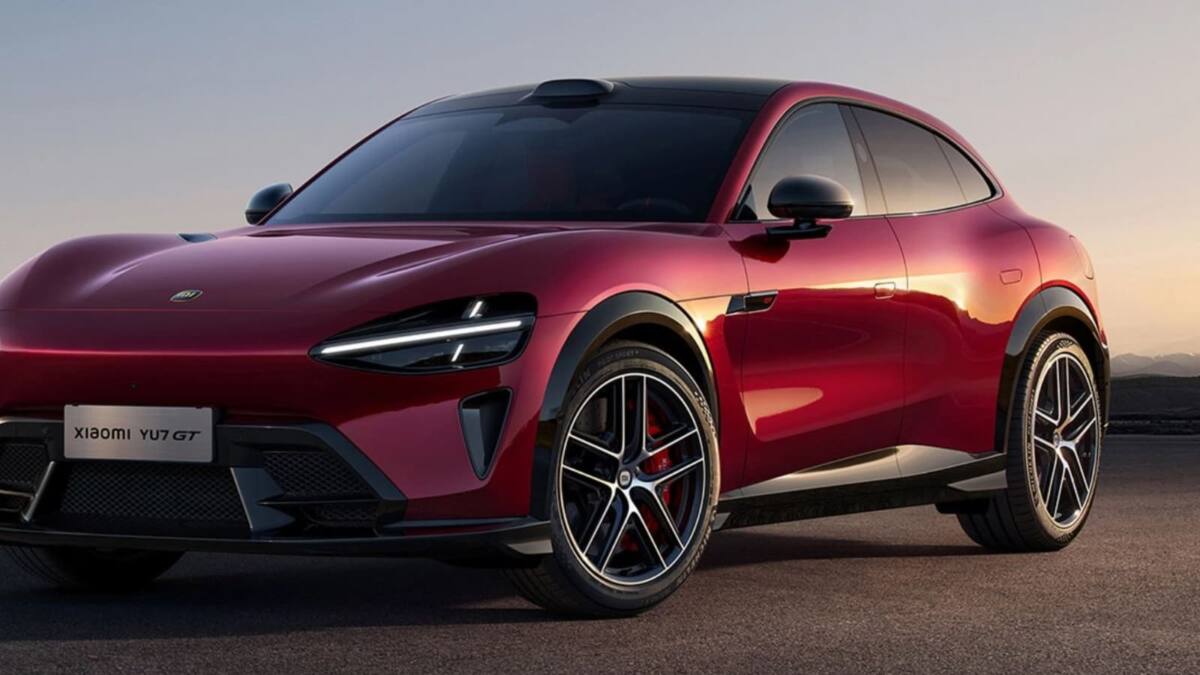
Xiaomi’s EV business is selling more cars, but each one is getting more expensive to subsidize. In the first quarter of 2026, Xiaomi delivered 80,856 vehicles, booked 19.9 billion yuan in revenue, and still posted an operating loss of 3.1 billion yuan, which works out to about $5,600 lost per car. That is a rough number to swallow, especially for a brand trying to look like a serious auto player rather than a very well-funded experiment.
The uncomfortable part is that the economics are moving in the wrong direction. A year earlier, Xiaomi sold 75,869 cars in the first three months and its operating loss came to about $900 per vehicle. Higher volume did not fix the problem; it exposed it. As in most EV businesses, scale helps only when the product mix stops leaning so hard toward cheaper trims.
Xiaomi EV average selling price is still too low
The core issue is a modest average transaction price of 235,000 yuan, or about $34,600. That leaves Xiaomi with little room to cover development, manufacturing, and go-to-market costs, even before any ambitions of profitability enter the chat. The company is clearly betting that richer buyers can change the math faster than mass-market volume can.
Two halo models are meant to do the heavy lifting:
- YU7 GT: 990 horsepower, priced from 389,900 yuan ($57,300)
- SU7 Ultra: starts at 529,900 yuan, or a little over $78,000
They will not be volume sellers, but they do what premium EVs are supposed to do: drag the average selling price upward and make the brand look less like a bargain bin with batteries.
Xiaomi EV sales are growing, but unevenly
Xiaomi’s delivery curve has been choppy. After weaker showings in February, with 20,414 vehicles, and March, with 21,440, April jumped to 36,702 deliveries. That was a strong rebound, though still below the company’s December peak of 50,212 cars. The pattern is familiar in China’s EV market: demand can spike fast, but keeping it there is harder than launching another flashy model.
For Xiaomi, the next test is whether its premium trims can become more than marketing trophies. If buyers keep choosing the cheaper cars, the company will keep growing the top line while bleeding on every unit. If the high-end models gain traction, the loss per car should narrow. Either way, the market has a simple question for Xiaomi: can a consumer electronics giant turn cars into a business, or just into an expensive habit?