

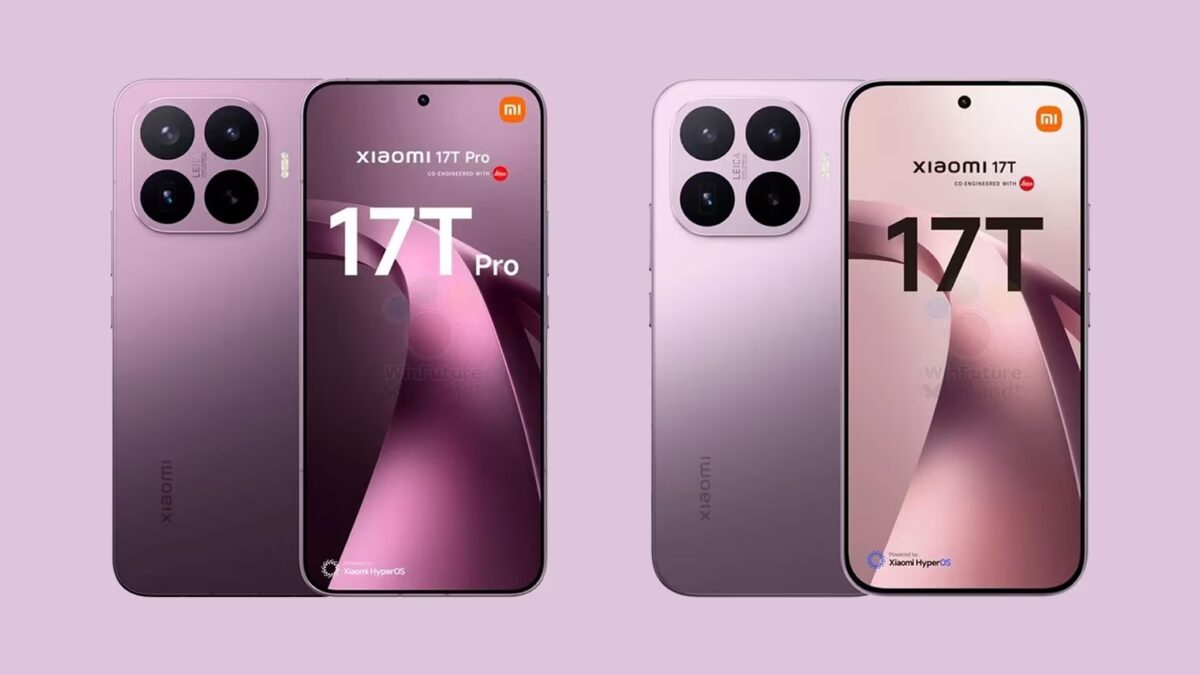
Details on Xiaomi’s upcoming 17T and 17T Pro smartphones have surfaced online, revealing their design, specs, and expected pricing ahead of the official launch. The base Xiaomi 17T is rumored to start at €749 for the 12GB RAM and 256GB storage version, while the 17T Pro could command around €999 for the 12GB/512GB configuration.
On the build front, the standard 17T will feature a plastic frame, contrasting with the Pro’s more premium metal construction.
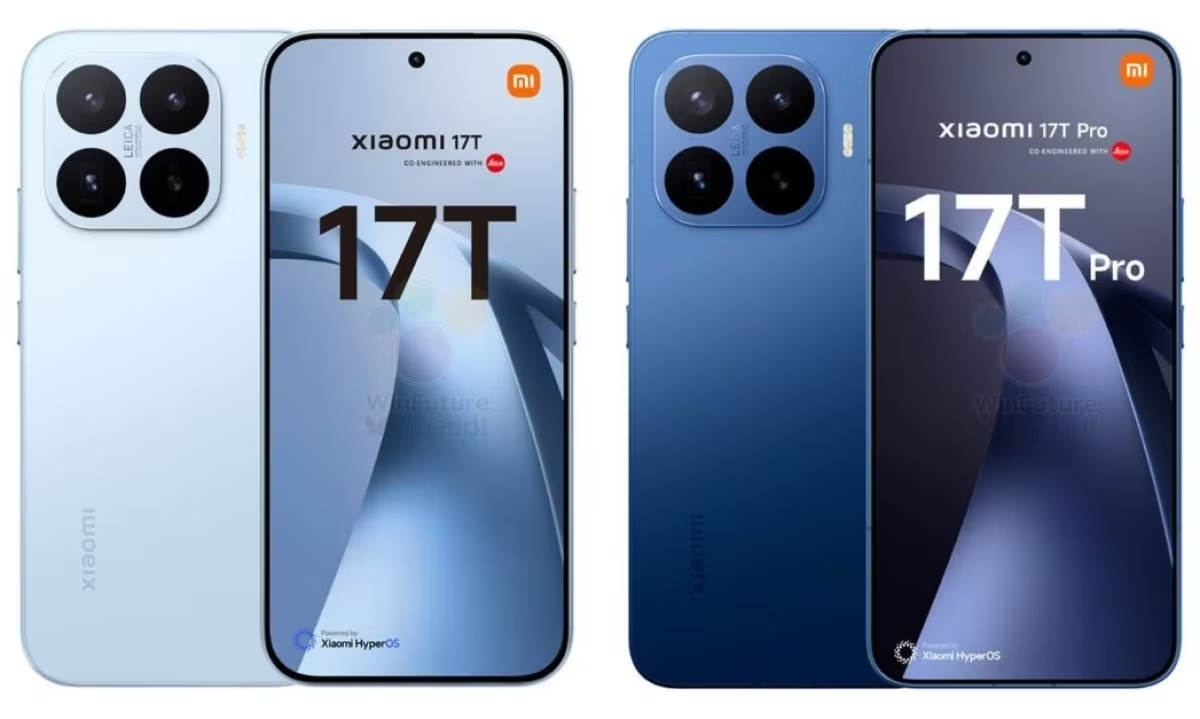
The Xiaomi 17T sports a 6.59-inch AMOLED display with a 1.5K resolution and 120Hz refresh rate. Powering it is a MediaTek Dimensity 8500 Ultra chip paired with LPDDR5X RAM and UFS 4.1 storage up to 512GB.
The triple rear camera setup includes a pair of 50MP sensors – one with a Light Fusion 800 sensor and a 5x optical zoom telephoto – plus a 12MP ultrawide shooter. The front camera packs 32MP. A 6500mAh battery backs the device with 67W fast charging. Connectivity highlights include Wi-Fi 6E, NFC, and it runs Xiaomi’s new HyperOS based on Android 16.
The 17T Pro upgrades to a larger 6.83-inch OLED screen with a 144Hz refresh rate and is equipped with the MediaTek Dimensity 9500 chipset. Battery capacity increases to 7000mAh, supporting 100W wired and 50W wireless charging.
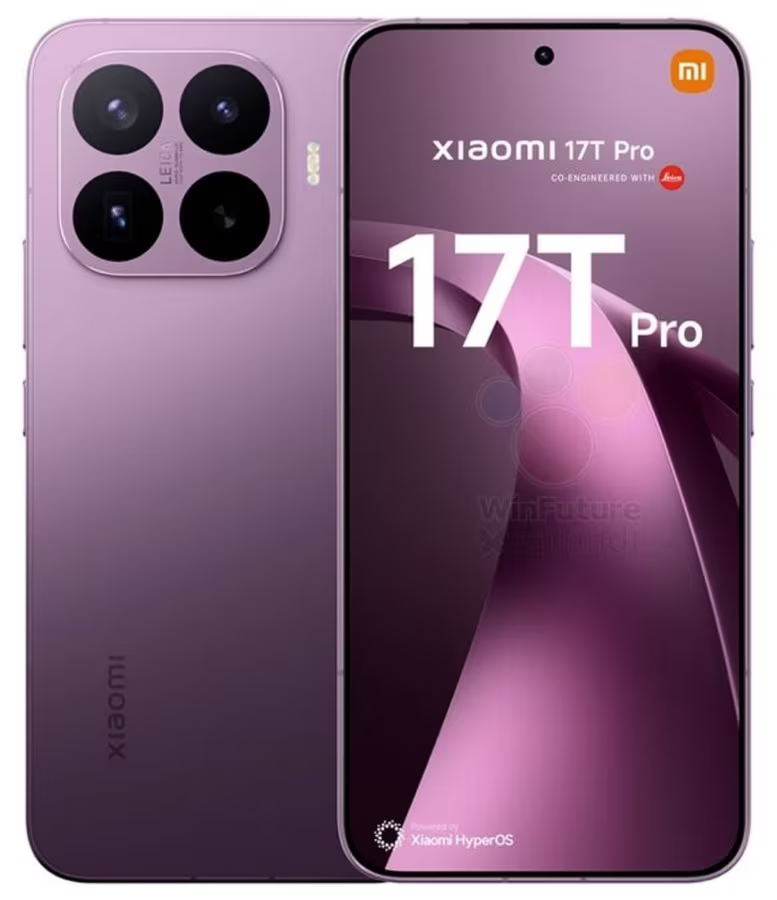
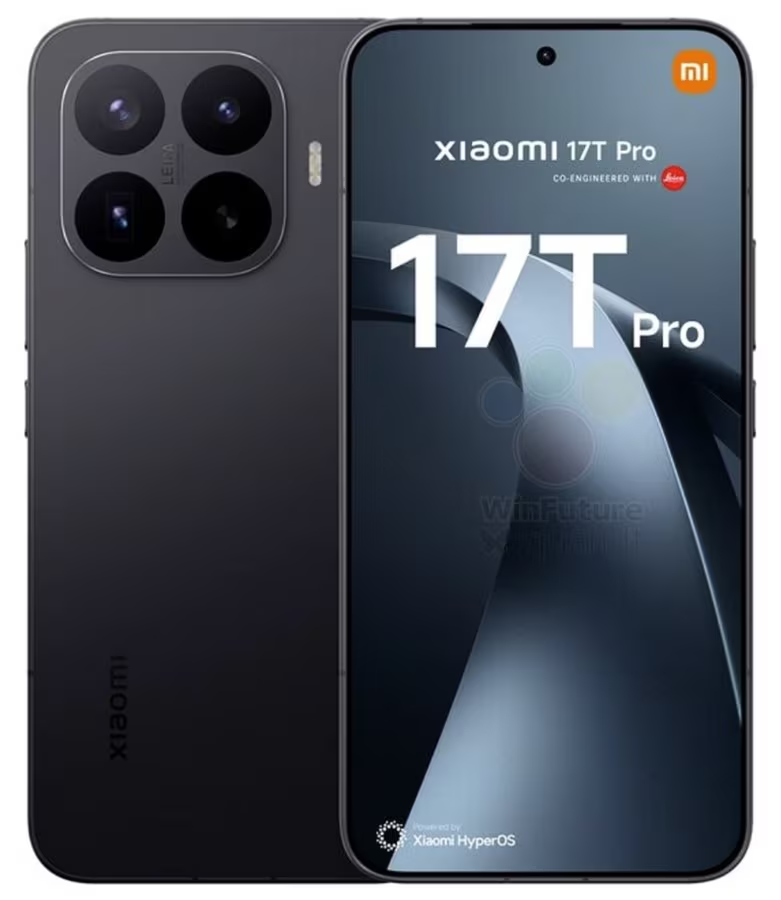
The Pro’s main camera also uses a 50MP sensor but upgrades to the advanced Light Fusion 950. Other cameras and the 32MP selfie shooter remain the same as the base model. Notably, the Pro gains support for Wi-Fi 7 connectivity.
Both phones come in blue, black, and purple colors, running Xiaomi’s HyperOS on top of Android 16. The official unveiling is expected soon.
Here is a summary of the Xiaomi 17T and 17T Pro pricing:
- Xiaomi 17T: €749 for 12GB RAM and 256GB storage
- Xiaomi 17T Pro: €999 for 12GB RAM and 512GB storage
While Xiaomi continues to target the mid-to-high-end segment by packing MediaTek chips rather than Qualcomm Snapdragon in these models, the 17T Pro’s combination of a high-refresh OLED, large battery with fast charging, and Wi-Fi 7 is aimed squarely at competing with offerings from Samsung’s Galaxy A and S series.
The inclusion of HyperOS also highlights Xiaomi’s ongoing push to differentiate its Android skin as rivals refine their software experiences.
The next few weeks will reveal if these smartphones can carve a niche amid fierce competition. Key points to watch include how well HyperOS performs in daily use, the real-world camera output from the Light Fusion sensors, and whether the Pro’s Wi-Fi 7 support delivers a tangible connectivity boost as networks evolve.