

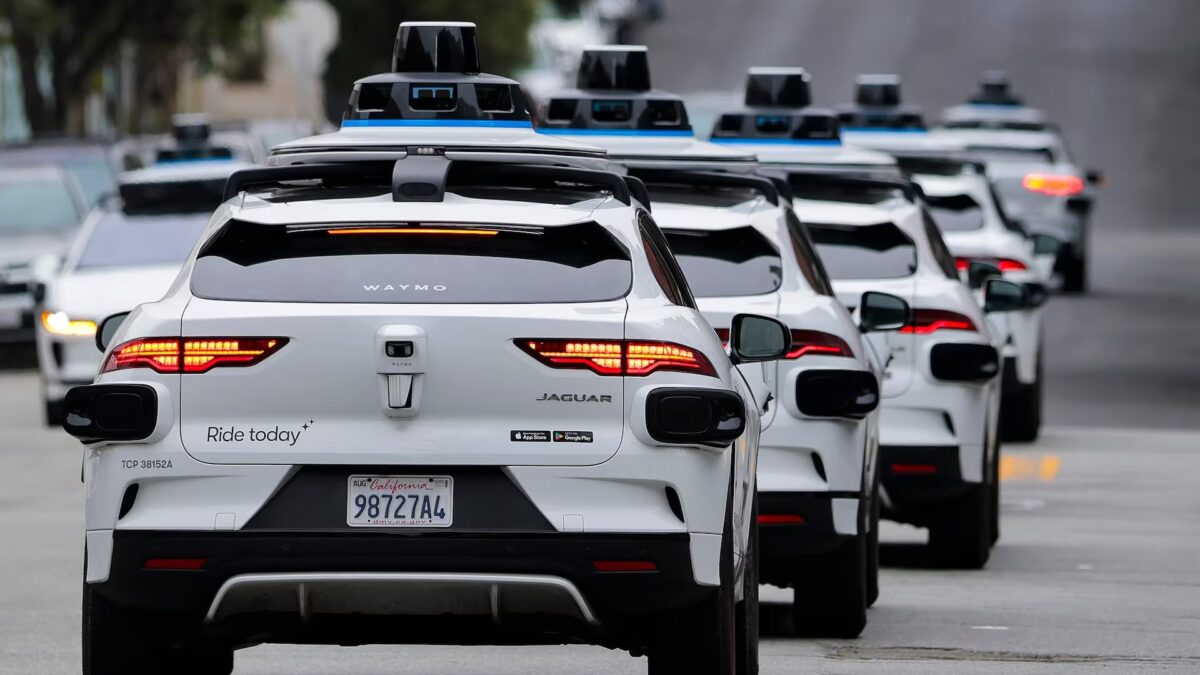
A Waymo robotaxi in California took two 15-year-olds on a ride they didn’t expect-straight to the police. According to San Mateo Police, the teenagers were cruising the San Francisco Bay Area, drinking alcohol, and firing gel blaster toy guns that shoot water-filled Orbeez beads. The story escalated when Waymo remotely stopped the vehicle and called 911.
San Mateo police revealed on Facebook that Waymo’s operator first alerted authorities and then locked the car in place to await police without the teens realizing what was happening. NBC Bay Area reported the teens were told the car had a mechanical issue-all to keep them inside until help arrived.
The police confirmed the shooting took place during the trip, though it’s unclear if anyone was targeted. A Waymo employee monitoring the ride noticed the weapon’s recoil on the camera feed and flagged it to emergency services. Both minors were taken into custody without incident.
How Waymo monitors passengers inside robotaxis
Passenger monitoring is a sensitive issue for robotaxi operators. Unlike traditional taxis where drivers see and can react to incidents firsthand, autonomous vehicles rely on cameras, remote oversight, and internal safety protocols that passengers often learn about only after the fact. This incident proves Waymo is willing not only to interrupt a trip but also to immobilize its vehicle remotely until law enforcement arrives.
This comes amid growing scrutiny of robotaxi safety in the U.S. In 2023, California regulators halted Cruise’s commercial services after a series of incidents, including one where a pedestrian was struck and dragged by a test vehicle. At the time, questions focused on road safety and how driverless cars coordinate with first responders. Now, the conversation increasingly questions where the line is drawn between protecting safety and imposing constant surveillance on passengers.
Waymo has faced other security concerns beyond traffic safety. In late 2025, a woman in Los Angeles found a stranger hiding in the trunk of her Waymo vehicle, sparking debate over physical security within robotaxis. This latest San Mateo case highlights new risks emerging from passengers themselves-and how quickly operators intervene when something goes wrong.
The choice of gel blaster toy guns adds another layer of complexity. Gel blasters-Orbeez-firing replicas-can look like real firearms from a distance or on camera, making the situation appear far more dangerous to passersby, other drivers, and Waymo’s remote dispatcher. This likely explains why Waymo chose a strict response, including immediate intervention and police notification.
This incident raises questions for future robotaxi riders. If the operator will stop the car and call police over teens shooting toy guns and drinking, what other behaviors might trigger such actions? Heated arguments, suspected drug use, or unruly conduct without visible weapons? Waymo has yet to publicly clarify these boundaries.
The timing is notable: Waymo is currently expanding into four new U.S. cities-San Diego, Las Vegas, Tampa, and Denver. These services will initially open to Alphabet employees before a wider public rollout. As its network grows, Waymo faces mounting pressure to explain not just how its cars drive but how and when they monitor passengers.
Waymo remains one of the few U.S. players offering fully driverless public robotaxi rides, especially since Cruise paused operations under regulatory pressure. That makes every controversial episode a test case for the entire self-driving industry. The question of surveillance limits inside driverless cars will need urgent answers before the company launches in its new cities.
*Note: The Facebook platform mentioned is owned by Meta, designated as an extremist organization and banned in Russia.