

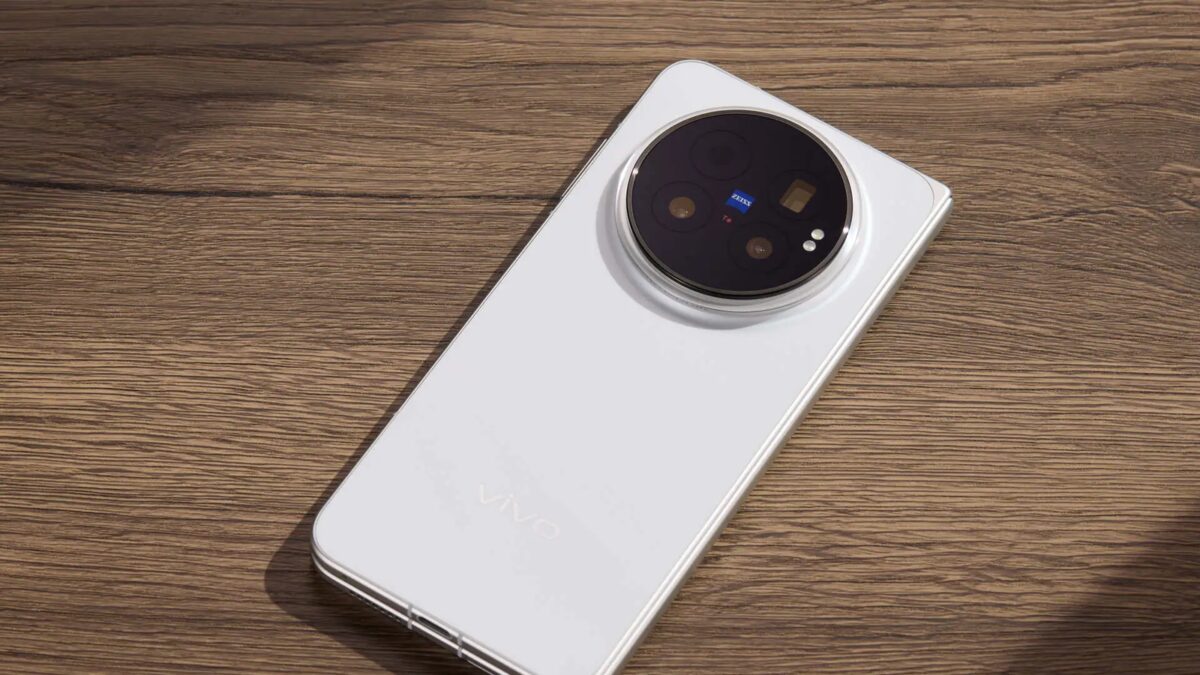
Vivo X Fold 6 is lining up for an official launch on 26 June in China, and the foldable is being sold from the start as a spec sheet flex: an 8.02-inch Samsung inner display, a 200MP main camera, a Sony periscope sensor, and up to 16GB of RAM paired with 1TB of storage. That is a lot of hardware for one phone, which is exactly the point. In the foldable market, brute-force specs still do a lot of the talking.
Preorders on Chinese retail sites have also spilled the storage and color options for the Vivo X Fold 6, including a top Black Gold Edition reserved for the 16GB/1TB model. Vivo is clearly keeping the premium variants visually distinct, which is a familiar play for Chinese brands trying to turn higher-memory tiers into status objects rather than mere capacity upgrades.
Vivo X Fold6 memory and color options
The Vivo X Fold 6 will come in four configurations:
- 12GB/256GB
- 12GB/512GB
- 16GB/512GB
- 16GB/1TB
The color palette is just as broad: Blue Cave, Salt Lake, Polar Night, and Black Gold Edition. The last one is exclusive to the top configuration, which is a neat way to make the most expensive model feel even more expensive.
Vivo X Fold6 camera and battery specs
Under the hood, Vivo is pairing the Dimensity 9500 Super Edition with a 200MP main camera, a Sony LYT-602 periscope module, and a 50MP ultrawide camera. The battery is listed at 6,900mAh with wireless charging support, while the foldable inner display is said to reach 5,000 nits of brightness. That combination should make the Vivo X Fold 6 one of the more aggressively specified foldables heading into launch season.
Software is doing some of the heavy lifting too: OriginOS 6 Fold is tuned for multitasking and can reportedly run up to five apps on one screen. Vivo is also promising support for an external teleconverter, a small but telling feature that suggests the company wants the camera system to be more than a megapixel headline.
How Vivo is positioning the X Fold6
Foldables are no longer just about making a phone open like a book; the fight now is over whether the software and camera hardware feel as ambitious as the hinge. Samsung, Huawei, and other rivals have all leaned into that same pitch, so Vivo is trying to answer with a bigger screen, bigger battery, and a more obvious focus on creator-friendly optics.
What happens after the 26 June reveal will depend less on the headline numbers and more on whether Vivo can keep the device light, durable, and priced in a way that makes the 1TB version look aspirational instead of absurd. That is the real premium-phone test.