

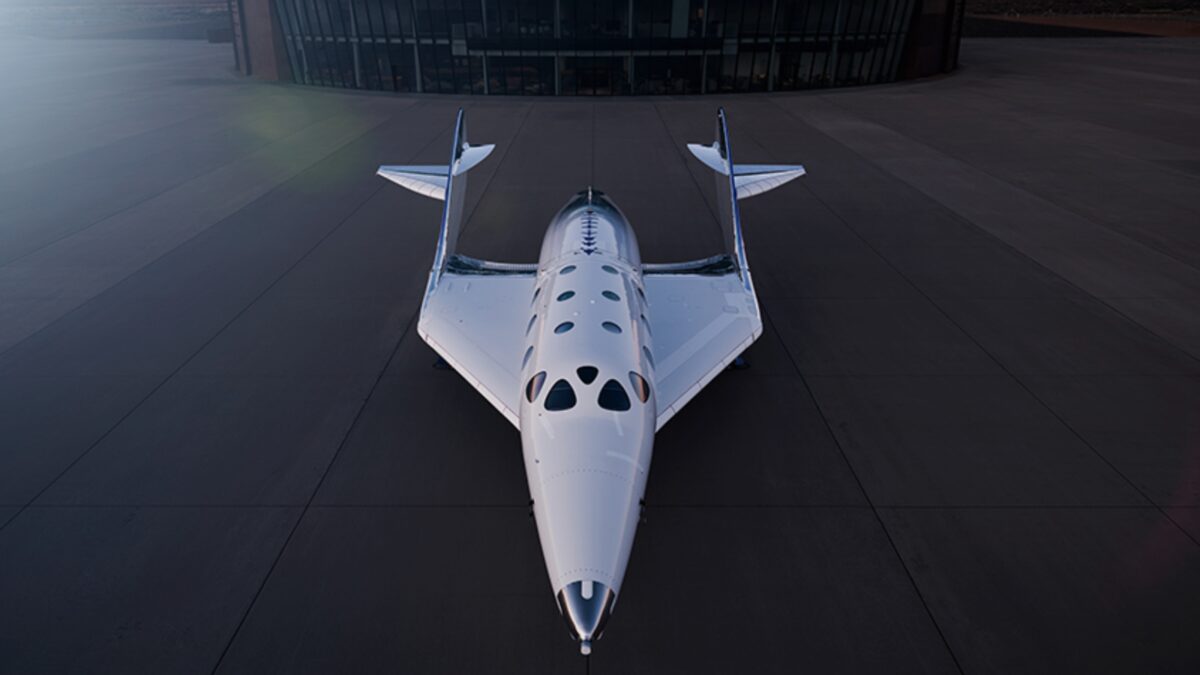
Virgin Galactic says its new Delta spaceplane is still on track, with flight testing potentially starting this summer and commercial suborbital tourist flights resuming by the end of 2026. The company is betting that a redesigned vehicle, faster turnaround times, and lower operating costs will help it restart a tourism business that has already flown passengers but then hit pause for upgrades.
That is a familiar playbook in commercial spaceflight: build the next platform, promise more frequency, then try to make the economics less fragile. Blue Origin has spent years pushing a similar argument with New Shepard on the lower end of the market, while Virgin Galactic is trying to prove that higher cadence can turn a headline-making stunt into something closer to an actual service.
Virgin Galactic Delta is built for more frequent flights
The company says Delta is meant to support regular commercial missions rather than one-off showcase flights. In practice, that means better reliability and shorter servicing windows between launches, the two things that matter most if you want paying customers and scientific payloads to move through the system without endless downtime.
Virgin Galactic says development is moving according to plan, and if testing avoids major delays, the first flight trials could begin this summer. That would set up a possible return to commercial suborbital tourism by the end of 2026, a timeline that is ambitious but not absurd for a company trying to rebuild momentum after a long reset.
Virgin Galactic’s tourism business needs a cleaner rhythm
The restart matters because Virgin Galactic already has a history here. It began commercial tourist flights in 2023 and completed seven missions, so this is not a brand-new market for the company – it is a second attempt at making the model work with more consistency. If Delta performs the way Virgin Galactic wants, the payoff is not just more launches, but a business that looks less like an experiment and more like an operation.
- First flight tests: potentially in summer
- Commercial suborbital flights: targeted for the end of 2026
- Earlier commercial run: seven tourist missions in 2023
The real test is cadence, not spectacle
The hard part for Virgin Galactic is not getting attention; it is keeping the schedule. Tourism customers can tolerate a lot of showmanship, but they do not like indefinite delays, and neither do investors. If Delta clears testing on time, the company gets a credible shot at resetting the story. If not, this becomes another reminder that space tourism is easy to market and much harder to industrialize.