

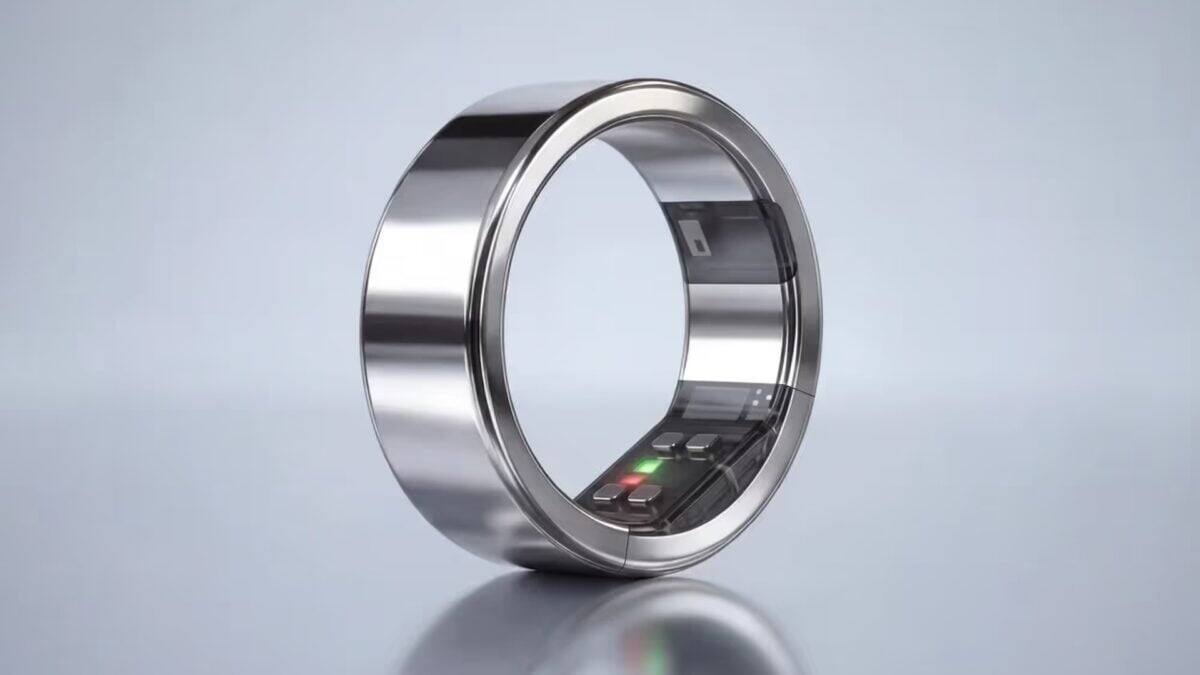
Ultrahuman is back in the U.S. smart ring race. After clearing Customs and Border Protection in late March, the Ring Pro can be sold in the United States again, giving buyers a rare alternative to Oura’s tightly controlled lead in a category that has been mostly one-brand territory.
The Ultrahuman Ring Pro stands out from the Oura Ring 4 in a few important ways. It skips the subscription, stretches battery life far beyond Oura’s, and leans harder on on-device processing – exactly the sort of spec sheet that makes health trackers sound less like accessories and more like tiny smug computers.
Ultrahuman Ring Pro battery life and hardware
The Ring Pro is built around a redesigned heart-rate sensor, a dual-core processor for on-chip machine learning, and 250 days of on-device health data storage. Ultrahuman says the ring lasts 15 days on a single charge, while its case can extend that to 45 days. That is a lot of runway for something you wear to bed.
- 15 days of battery life on a single charge
- 45 days with the charging case
- 250 days of on-device health data storage
- Dual-core processor for machine learning
By comparison, the Oura Ring 4 offers up to a week of on-device health data storage and a single-core chip. Oura’s ring still has the brand advantage and the broader mindshare, but Ultrahuman is making a simple argument: if you want more battery and fewer recurring fees, look here first.
Ultrahuman Ring Pro price versus Oura Ring 4
Ultrahuman’s problem is the sticker shock. The Ring Pro costs $479 with its charging case, while the case alone is sold separately for $100. Oura starts lower at $349, though the Ring 4 can climb to $499 depending on finish. Then there’s the monthly fee: Oura charges $5.99, or about $70 a year, and that subscription is the kind of quiet drain buyers notice after the excitement wears off.
- Ultrahuman Ring Pro: $479 with charging case
- Charging case alone: $100
- Oura Ring 4: starts at $349
- Oura Ring 4: up to $499 depending on finish
- Oura membership: $5.99 per month, about $70 per year
The legal backdrop still hangs over all of this. Ultrahuman’s earlier Ring Air was pulled from U.S. sales after a patent ruling in Oura’s favor, and the company chose to build a new model rather than pay royalties. That history makes the Ring Pro’s return feel like more than a simple relaunch; it is a test of whether a premium smart ring can win customers on hardware alone.
Can Ultrahuman avoid another Oura fight?
Early international reception has reportedly been positive, helped by the ring’s design, tracking features, and charging case. Still, the bigger question is whether the new battery layout and sensor placement are distinct enough to keep lawyers away this time. In a market where Oura has set the tone, that is hardly a minor detail.
If Ultrahuman can turn U.S. availability into sustained sales, the smart ring category may finally look less like a monopoly with a few side quests. If not, Oura keeps the throne, the subscription continues to annoy people, and the rest of the segment stays stuck playing catch-up.