

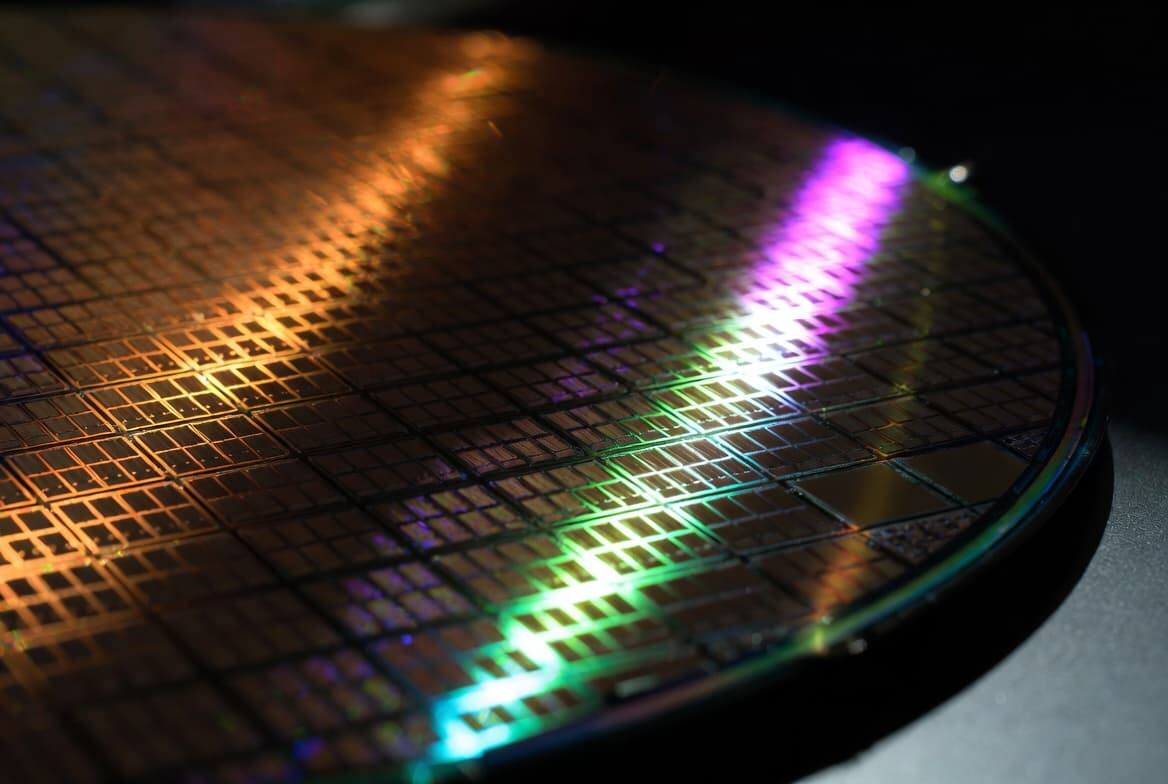
TSMC is running so hot that even 175,000 wafers a month may not be enough. The Taiwanese foundry is still struggling to satisfy demand for its 3-nanometer process, and that shortage is now pushing the company toward a price increase of roughly 15% for chip manufacturing.
The big driver is artificial intelligence. Chipmakers building AI processors and accelerators are treating 3nm as the sweet spot: fast enough, efficient enough, and cheaper than jumping straight to 2nm. That means customers are lining up for capacity that does not exist in comfortable amounts, which is a nice problem to have until your factory schedule looks like an airport in a snowstorm.
Why customers are staying on 3nm
For many developers, the economics are doing the talking. The 2nm node is technically the next step, but it is also more expensive and more complicated to manufacture, so plenty of buyers are waiting rather than rushing in. TSMC’s position is strong enough that a 15% hike is unlikely to send major clients running for the exits.
That also explains why Samsung Electronics is not pulling much of the spotlight away. Samsung already offers 2nm production using Gate-All-Around architecture, but industry estimates put its yield at about 60%, which is good enough for a backup plan and not yet good enough to unseat TSMC as the default choice.
TSMC’s expansion plan and 2nm ramp
To relieve the pressure, TSMC plans to invest about $28.6 billion in three new production sites. The company expects that in the first year of mass 2nm output, it can reach as many as 140,000 wafers per month. That is a serious number, but it also tells you how fast demand is climbing if today’s 3nm output is already stretched.
- Current 3nm capacity: 160,000 to 175,000 wafers per month in the second quarter of 2026
- Planned price increase: about 15%
- Investment in new plants: about $28.6 billion
- Expected 2nm output in first mass-production year: up to 140,000 wafers per month
TSMC’s shortage gives it pricing leverage
This is the kind of supply squeeze that usually belongs to a commodity market, not the most advanced chipmaker on the planet. But TSMC has the rare luxury of being short on capacity and still being the obvious supplier, because its rivals are either not ready or not good enough at scale. The real question now is how long customers will tolerate higher prices before the 2nm transition finally becomes unavoidable.