

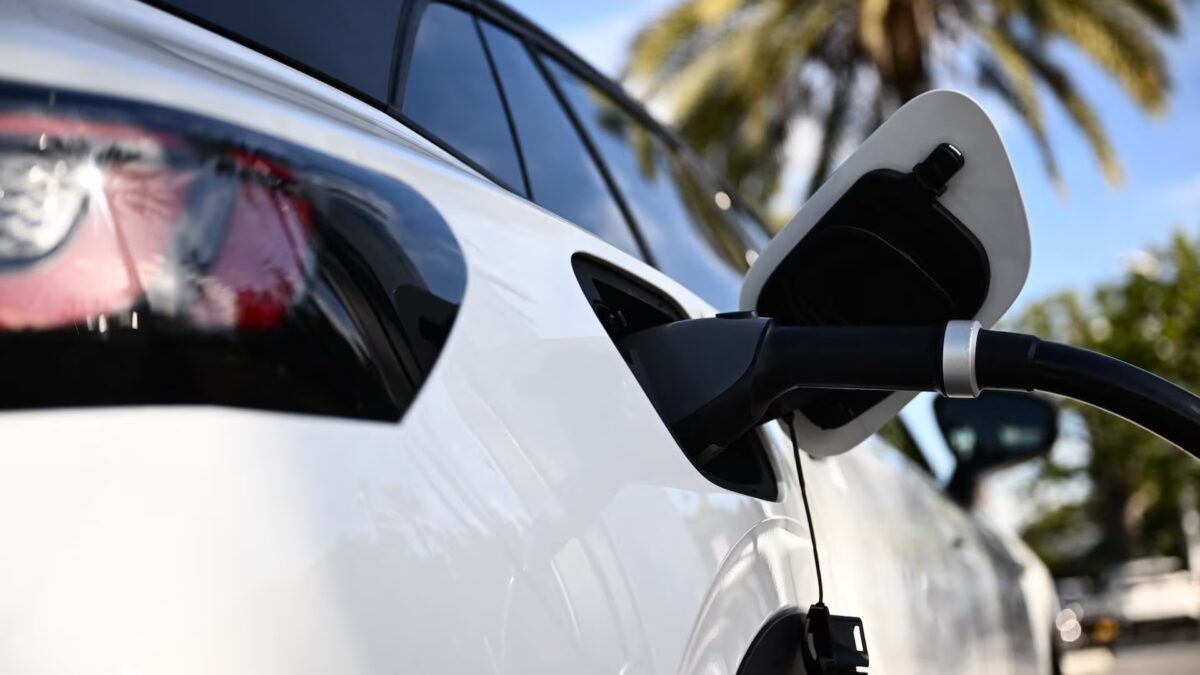
New York startup Voltpost is transforming streetlight and utility poles into electric vehicle charging stations across California, Connecticut, and New York. Instead of installing new charging posts, Voltpost aims to retrofit existing infrastructure, placing chargers where drivers without garages or home charging options can easily access them-along city sidewalks.
Voltpost announced these plans via LinkedIn and partnered with California-based InCharge Energy for the installation and remote maintenance of the new charging points. Reliability remains a key issue for public chargers, often frustrating EV owners more than charging speed-broken or occupied stations are the usual headache.
Earlier this year, Voltpost secured part of a nearly $610,000 grant from Washington, D.C.’s Department of Energy and Environment to convert up to 16 poles in the capital into EV chargers. While specific locations in the three states are yet to be announced, the company intends to expand its footprint to additional markets.
This approach addresses a widespread problem in the US: many EV owners live in multi-unit buildings or homes without private parking, making residential Level 2 chargers either prohibited or prohibitively expensive. Cities are thus seeking cost-effective alternatives to full-fledged curbside charging hubs. Repurposing existing poles offers quicker approvals, less invasive construction, and lower upfront costs.
Similar solutions are gaining traction globally. In Europe, companies like Ubitricity and Rheinmetall are deploying pole-based chargers, while New York City and Los Angeles are running pilot programs for curbside charging in residential neighborhoods. The International Energy Agency reports over 4 million public charging points worldwide by 2025, yet slow AC home charging remains scarce in dense urban areas.
Voltpost’s niche targets a segment often overlooked by larger operators that favor fast chargers at shopping centers and highways. The real test will come with operational data from their new sites-looking beyond concept images to actual usage, city parking policies, and charger uptime several months post-installation.