

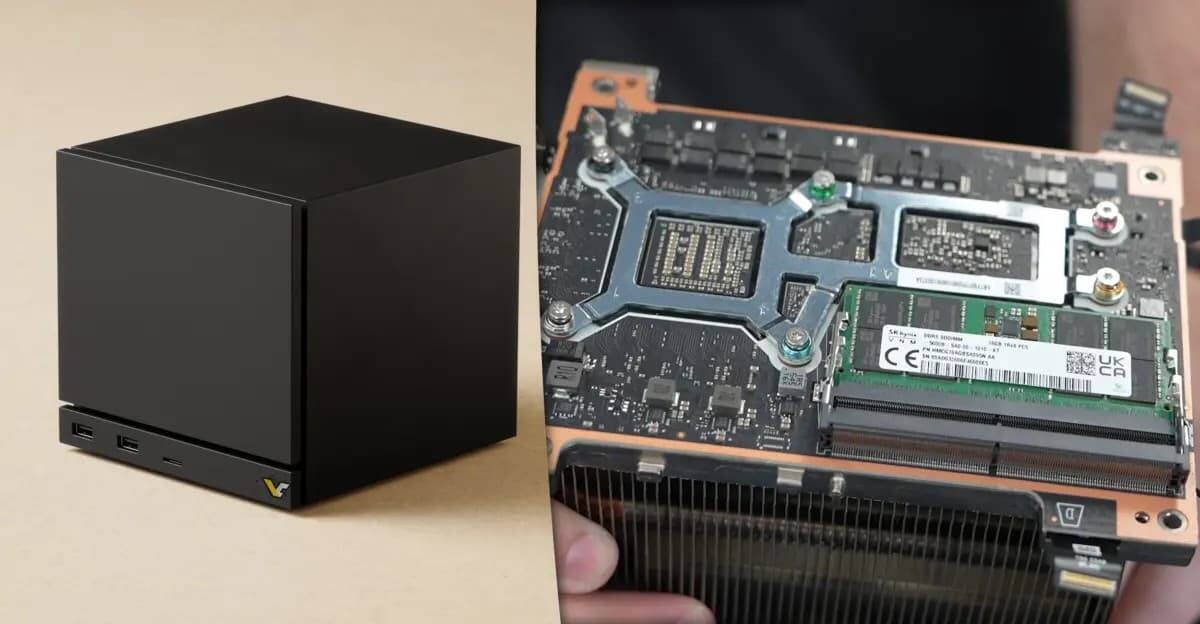
Valve’s Steam Machine may ship in two very different memory configurations, and that is enough to create a real performance gap: the same machine can run games up to 15% slower, depending on whether it arrives with one 16 GB RAM module or two 8 GB modules. In other words, one unit gets single-channel memory and another gets dual-channel, and the seemingly small detail can quietly decide who gets the smoother frame rate.
That kind of split is awkward for a product meant to sell simplicity. PC makers have spent years trying to hide this sort of variability from buyers, while console-style devices usually promise a fixed experience. Valve is doing something more PC than console here, which means the old ”same box, same performance” assumption goes out the window fast.
Single-channel RAM is the weak link
Gamers Nexus tested the Valve Steam Machine and found that when the GPU is heavily loaded, the difference is almost invisible, at under 1%. That sounds reassuring until you move into more awkward cases. In Starfield and Resident Evil 4, the gap was around 3-4%, while Baldur’s Gate 3 stretched to nearly 9% at Full HD and maximum settings.
Drop settings to low, and the memory configuration matters even more. In the same Baldur’s Gate 3 tests, the gap widened to 15.3%. That is the sort of number you can feel, especially on hardware that is not exactly overbuilt for bragging rights in the first place.
Valve Steam Machine benchmark results
- GPU-heavy workloads: less than 1% difference
- Starfield and Resident Evil 4: about 3-4%
- Baldur’s Gate 3: almost 9% at maximum settings
- Baldur’s Gate 3 on low settings: 15.3%
- 7-Zip: dual-channel is almost 20% faster
The 7-Zip result is a useful reminder that memory bandwidth matters even when the headline is gaming. Still, the bigger story is not the benchmark chart itself. It’s that buyers could get different experiences from what is supposed to be the same Steam Machine, and that is a very PC problem wearing a console-shaped hat.
Why Valve ended up here
Valve reportedly could not secure enough memory modules and had to buy what was available. That is a supply-chain explanation, not a design philosophy, and it also explains why the company can still treat the machine like a normal PC at the end of the day: users should be able to replace or add RAM themselves.
The catch is that most buyers will not open the box to fix a configuration choice they never made. If Valve wants Steam Machine to feel like a living-room device rather than a small desktop in disguise, this memory lottery is the sort of detail that will annoy the exact people who notice frame-time spikes for fun. Expect the dual-channel versions to be the ones enthusiasts chase, while single-module models become the bargain-bin option nobody brags about.