

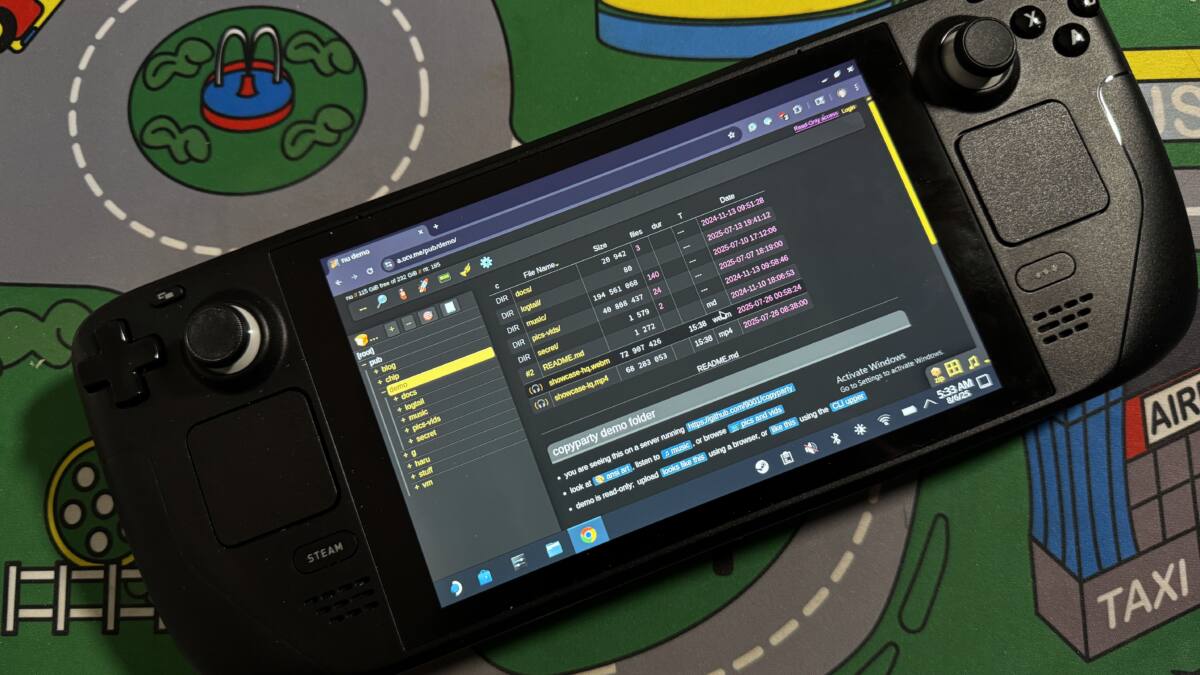
Valve says it wants the Steam Deck back on sale, but getting there is being slowed by the unglamorous parts of hardware: memory shortages, difficult shipping, and a supply chain that refuses to cooperate. The company hasn’t offered an ETA, which is exactly the kind of answer fans hate and manufacturers give when the alternative is making promises they can’t keep.
The squeeze isn’t happening in a vacuum. RAM pricing has been volatile across the industry, and the current appetite for AI infrastructure is pulling memory capacity toward higher-margin buyers. For a handheld PC like the Steam Deck, that means the same components that make the device affordable and usable are also the ones causing it to disappear from shelves.
Valve wants the Steam Deck back in more regions
In an interview with IGN, Valve’s Pierre-Loup Griffais and Steve Cardinali were asked about Steam Deck availability after the conversation had started on the Steam Controller. Griffais said the team is working on it, but also made clear that shipping issues and memory shortages are still making Steam Deck restocks painful rather than simple.
That leaves the handheld in an awkward place: it is still available in some regions, but not consistently enough to feel like a normal product line. Valve’s message is basically ”we haven’t abandoned it,” which is reassuring, if not especially satisfying.
Why Valve is avoiding a single supplier trap
Griffais also pointed to a long-standing Valve habit that suddenly looks smart: not building around one memory supplier. If one source fails, production doesn’t instantly grind to a halt. That approach won’t magically create more RAM, but it does give Valve more room to keep the Steam Deck alive while the market stays messy.
For the broader handheld PC market, that matters. Asus, Lenovo, and others have been pushing harder into the portable gaming space, but none of them are insulated from the same component pressures. The difference is that Valve is trying to keep an established product supplied while also managing a wave of demand that may not cool off soon.
Steam Deck stock may stay tight for a while
Valve is still working the problem, but the company gave no timetable for a return to normal stock levels. That’s probably the right call. If memory remains expensive and shipping stays tangled, a restock announcement without actual units would be little more than optimistic wallpaper.
The uncomfortable prediction: Steam Deck availability will likely improve in bursts, not in one clean comeback. Until RAM supply eases, Valve’s best move is the dull one – keep diversifying suppliers, keep shipping where it can, and keep refusing to pretend the problem is solved.