

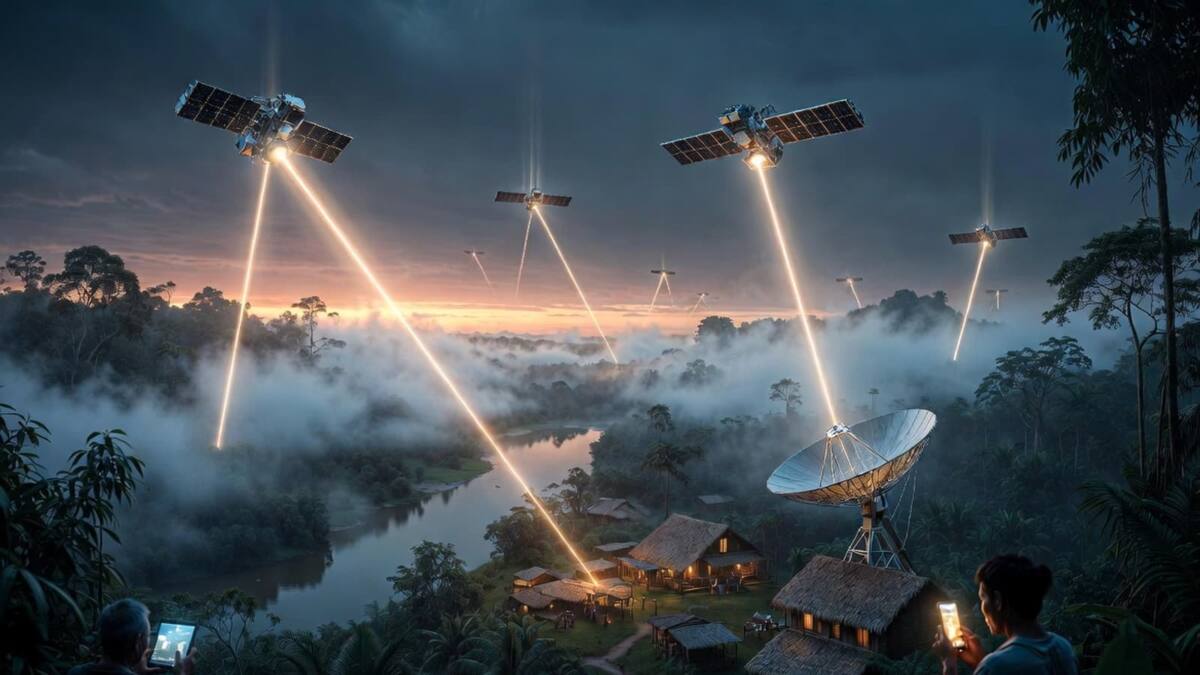
Starlink has connected 140 schools in Brazil’s remote Amazon region to high-speed satellite internet, giving more than 14,000 students access to online classes, digital platforms, and modern learning tools. The rollout, carried out with the nonprofit Redes do Futuro, targets communities where stable broadband was either missing or too patchy to count on.
That makes this less about a flashy network announcement and more about infrastructure catching up with geography. In places where rivers, forest, and distance make fiber deployment slow and expensive, satellite internet is often the only practical way to get schools online without waiting for years of trenching and construction.
What the Starlink school rollout delivers
- 140 schools connected in remote parts of the Brazilian Amazon
- More than 14,000 students now have access to online education
- Schools can use digital services and modern teaching tools that were previously hard to reach
For classrooms that have spent years on the wrong side of the connectivity gap, the practical impact is obvious: lessons can move online, teachers can use digital material, and students can reach services that many urban schools take for granted. The bigger story is that satellite broadband is no longer being sold only as a consumer perk for rural homes; it is becoming a public-service tool.
Why the Amazon is a natural fit for satellite internet
Starlink says satellite links can bring internet to hard-to-reach regions quickly, without the need to build traditional networks first. That pitch has become increasingly important in countries with large isolated territories, and Brazil has been one of the clearest test cases. Earlier this year, Starlink said it had passed a major milestone in the country by delivering stable high-speed internet to more than 1 million people, including users in places where reliable connectivity was once close to nonexistent.
The competition is no longer whether satellite can work at all; it is whether it can scale fast enough to matter before fiber and mobile upgrades arrive. In remote Amazon communities, that answer is still often yes, because the alternative is waiting for infrastructure that may not be economically attractive for years.
What this means for schools in remote Brazil
For the schools involved, the immediate win is access. The harder part will be keeping that access consistent, affordable, and useful enough to change daily teaching rather than just add another piece of hardware to a classroom wall. If the connection holds, this could become a template for other isolated regions across Latin America where geography keeps beating conventional broadband plans.