

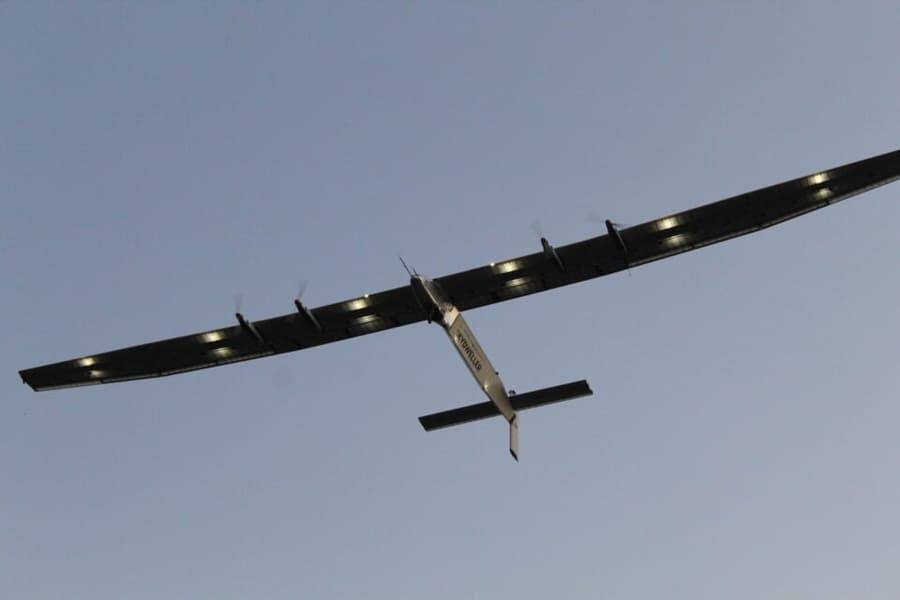
Solar Impulse 2, the solar-powered aircraft that once circled the globe without using a drop of fuel, has crashed during an autonomous test flight over the Gulf of Mexico. According to a report from the U.S. National Transportation Safety Board, the plane lost electrical power on 4 May and went down, with no injuries reported.
The accident closes an unexpectedly grim chapter for a machine that was designed to prove a point rather than make money. Solar Impulse 2 had already outlived its original demo role, but its destruction still matters because there are very few full-size aircraft left that can point to the same solar-aeronautics milestone and claim it as their own.
Solar Impulse 2’s record-setting solar flight
The aircraft became famous after completing the first manned round-the-world flight powered entirely by solar energy, a trip finished in 2016 after 16.5 months in the air and 17 intermediate stops. The route began in Abu Dhabi and involved long legs with alternating pilots, a reminder that even the clean-tech triumphs of aviation still depend on endurance, planning, and a lot of patience.
Its design was extreme even by experimental-aircraft standards:
- 70-meter wingspan
- Mass of about 2.3 tons
- 17,248 solar cells
- Peak output of up to 66 kW
- Systems supporting long flights at up to 39,000 feet
That kind of lightweight engineering is impressive right up until power disappears, which is apparently what happened here.
From solar showcase to autonomous platform
After the round-the-world flight, the project changed hands in 2019 when it was sold to Skydweller Aero. The aircraft was then converted into an uncrewed platform for long-endurance patrol and surveillance, which is a sensible commercial use but also a quiet admission that inspirational prototypes rarely stay inspirational forever.
The crash happened while the aircraft was flying from Stennis International Airport in Mississippi. The report says the plane fell into the Gulf of Mexico after the electrical failure and was destroyed.
What the Solar Impulse 2 crash means for solar aviation
Bertrand Piccard and André Borschberg said they learned of the incident through public sources and regretted the loss of a technological demonstrator that had become a symbol of solar aviation. They had originally hoped to display Solar Impulse 2 in the Swiss Museum of Transport, but that is now off the table.
The broader question is whether the aircraft’s legacy survives better as a story than as hardware. Solar aviation still has believers, but the field has always been more convincing as a proof of concept than as an obvious path to mainstream flight, and losing one of its most recognizable machines only sharpens that divide.