

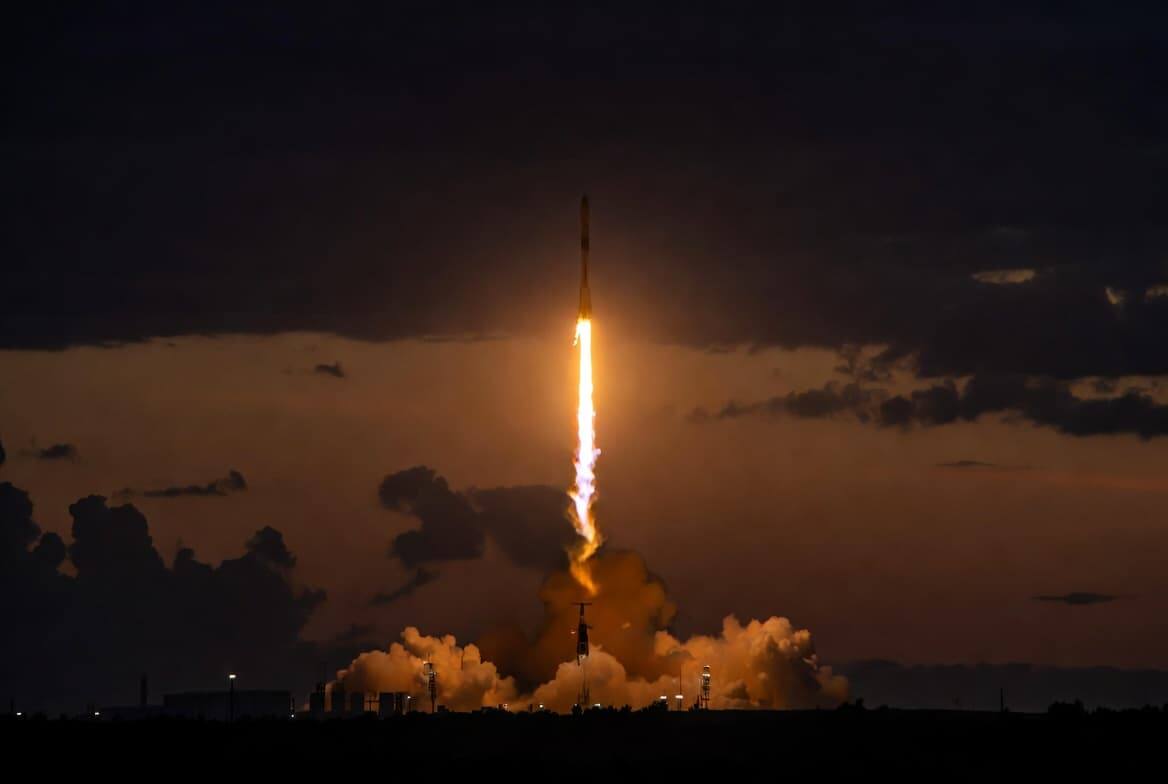
The US Space Force is carving out a new launch site at Vandenberg in California, and it wants private companies to use it. The planned Space Launch Complex 9, or SLC-9, is being pitched for light- and medium-class rockets, with the service taking applications from would-be operators until 8 July. That puts the military in the unusual position of acting like a landlord for the commercial launch business – and it is a pretty direct way to add capacity without waiting for one company to solve everything.
The move comes as Vandenberg keeps getting busier. SLC-9 will sit in the southern part of the spaceport near SLC-3, which once hosted Atlas V missions and is now being upgraded by United Launch Alliance for Vulcan Centaur. Blue Origin had originally eyed the area for New Glenn before shifting plans and prompting discussions about SLC-14 instead. In other words: the site is opening because the old chess pieces moved, and the Space Force is reshuffling the board.
Who can use SLC-9
Only operators of light- and medium-launch vehicles can apply, meaning rockets capable of putting up to 20 tons into orbit. The Space Force is also setting a fairly demanding bar: companies need the money to build their own infrastructure, the maturity to prove their systems are ready, and the ability to begin launches within three years of signing an agreement. That weeds out dreamers with slideshows and plenty of ambition.
- Launch class: light and medium rockets
- Payload limit: up to 20 tons
- Application deadline: 8 July
- First launch target: no later than three years after signing
Firefly, Relativity and Stoke are the names to watch
The most obvious candidates are already in the neighborhood. Firefly Aerospace is flying Alpha from Vandenberg and is also working with Northrop Grumman on Eclipse, a new medium-class rocket. Relativity Space, with its reusable Terran R, and Stoke Space, which is building its own reusable orbital system, could also be interested. If SLC-9 lands one of those players, it would deepen a trend the US launch market has been moving toward for years: more pads, more providers, and less dependence on a single heavy lifter.
The Space Force is not just looking for rockets, either. It wants reusable technologies, more reliable launch infrastructure, and even future systems for rapid cargo delivery using spacecraft. That is a broad brief, but it fits a simple goal: make Vandenberg a bigger commercial launch machine without losing control of the site. The open question now is which company can satisfy the military, finance its own buildout, and still be ready to fly on schedule.