

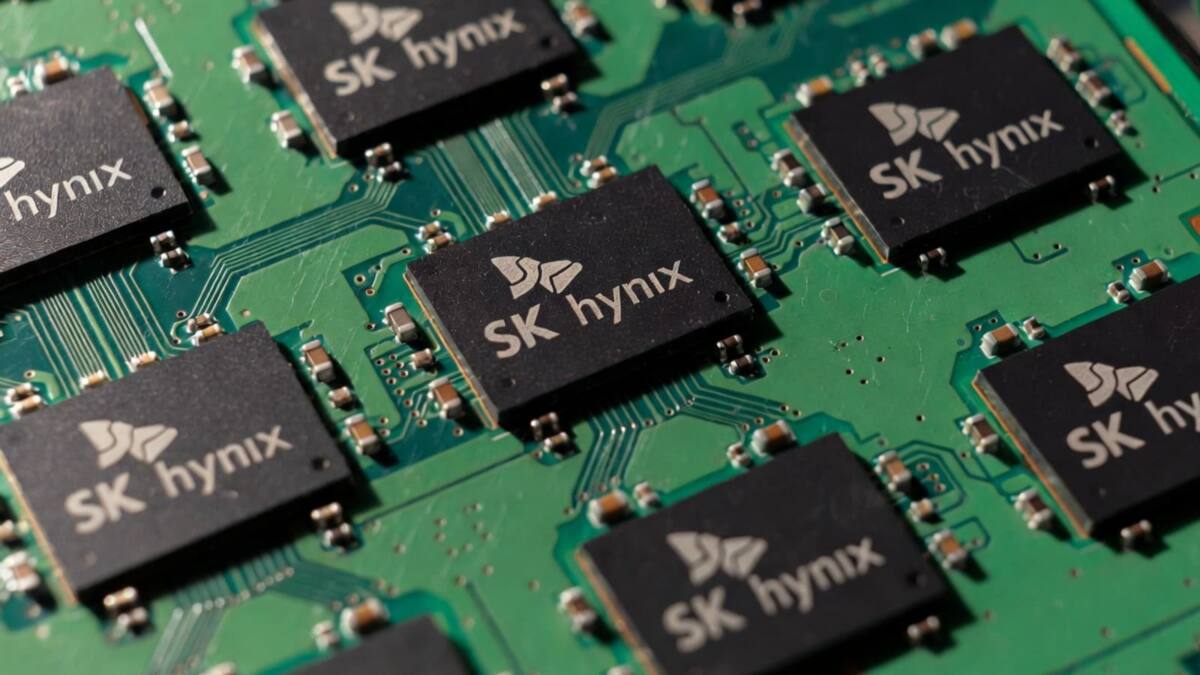
SK Hynix has crossed the $1 trillion market-cap line, becoming the second South Korean company after Samsung to do it and joining Micron in a very exclusive club built almost entirely by the AI boom. The trigger is not some vague optimism about chips in general; it is the brutal shortage of high bandwidth memory, or HBM, which powers the training of large AI models and is still in tight supply.
That makes the winners and losers here pretty obvious. Memory makers that can supply HBM are suddenly enjoying the kind of investor attention usually reserved for GPU giants, while buyers building out data centers are stuck chasing constrained capacity. The market is also sending a clear message: in this phase of AI infrastructure spending, memory is no longer a supporting act.
HBM shortage keeps the money flowing
HBM demand has been running so hot that the shortage is expected to last at least until 2028, according to the source material. That is a long runway for suppliers, and it helps explain why SK Hynix’s valuation has moved in lockstep with the broader buildout of AI data centers. For a business traditionally viewed as cyclical and unforgiving, this is about as close to a growth story as memory ever gets.
The comparison with Nvidia is hard to avoid. GPU makers have dominated the AI trade, but the memory needed to feed those accelerators is now becoming equally strategic. Micron has already reached the same trillion-dollar milestone, and with Samsung, SK Hynix, and Micron all in the club, the memory market has become a lot more glamorous than it used to be. Slightly against nature, perhaps, but there it is.
South Korea’s chip champions get a new status symbol
For South Korea, SK Hynix’s rise is more than a headline number. It underlines how central the country’s semiconductor industry has become to the global AI supply chain, with Samsung and SK Hynix now both sitting inside the trillion-dollar bracket. The irony is that the old memory-chip playbook – boom, bust, repeat – has been temporarily overwritten by a demand shock powerful enough to keep pricing and investor enthusiasm elevated.
The real question is whether supply can catch up fast enough to cool the frenzy. If HBM stays tight through 2028 as expected, the current valuations may still look conservative. If capacity expands faster than AI spending, the same market that is rewarding memory makers today could decide tomorrow that normal semiconductor rules apply after all.