

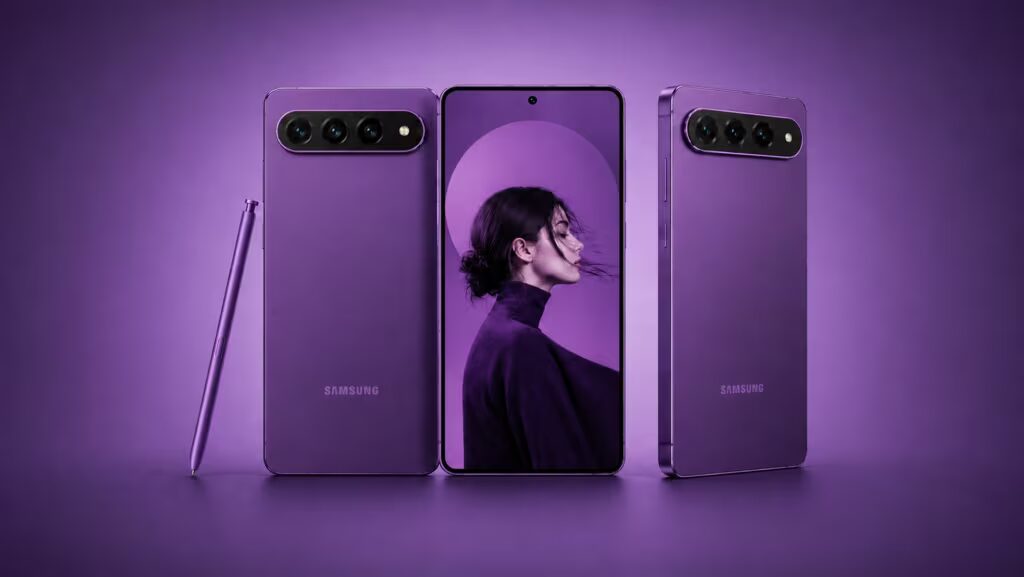
Samsung is set to make its hardware Privacy Display technology standard across nearly the entire Galaxy S27 lineup, according to TheElec. This includes the S27, S27 Plus, S27 Pro, and S27 Ultra models, leaving only the budget-friendly S27 FE without it. This marks a shift for Samsung-last year’s Galaxy S26 series featured the Privacy Display only on the Ultra model.
The hardware Privacy Display technology debuted in the Galaxy S26 Ultra under the name Flex Magic Pixel. It manipulates the OLED panel to let the user see a clear, bright screen while significantly darkening the view from side angles. The practical benefit is straightforward: when you’re checking sensitive content like messages, banking apps, or documents in public-on a train, café, or in meetings-people nearby won’t be able to peek at your screen.

The first generation of this hardware faced stability issues, TheElec reports. For the Galaxy S27 series, Samsung is developing a second iteration with a more consistent and reliable dimming effect. If these leaks hold true, Privacy Display will no longer be an exclusive feature for flagship Ultra models but a standard privacy tool across Samsung’s premium Galaxy smartphones.
This change aligns with a redesign of the Galaxy S lineup itself. Samsung plans to introduce a compact Pro model that slots between the base S27 and the Plus, aiming to offer more distinct options without chasing ever-larger screen sizes and price tags. Interestingly, Samsung appears to be prioritizing hardware privacy as a central selling point over the usual focus on camera improvements or AI features.
Privacy-focused hardware is rare in smartphones. While laptop makers like HP with Sure View and Lenovo with Privacy Guard have pushed similar tech for years, phone manufacturers mostly rely on software protections-locking notifications, app privacy controls, and local processing. Apple, Samsung’s closest rival in the premium segment, has yet to introduce a comparable hardware privacy screen on any iPhone model.
That’s a strategic move given the current smartphone market. Counterpoint Research data shows that devices priced over $600 now account for more than half of global industry revenue, with Samsung and Apple dominating those sales. When targeting users who upgrade their phones infrequently, even a niche feature that’s visible daily can become a persuasive argument-not just a checkbox buried in settings.
The Galaxy S27 series is expected to launch early next year. That’s when we’ll know if Samsung broadens Privacy Display availability further or also leverages it to sharpen the S27 Pro’s unique appeal. Should the company successfully expand this hardware privacy tech across its flagships, rivals will be pressured to deliver their own physical solutions-not just another software privacy tweak.