

Samsung is reportedly testing active liquid cooling for future Galaxy phones. A new report from South Korea says the company has formed a dedicated research team to examine advanced cooling systems for future devices, including both liquid- and air-based approaches. The real prize is obvious – keeping flagship chips fast for longer instead of letting heat quietly kneecap them.
That matters because modern phones are no longer just running social apps and camera filters. They are pushing gaming, video editing, and on-device AI harder than ever, and those workloads are exactly where thermal throttling shows up and ruins the party. Samsung’s interest is a sign that the next battle in premium phones may be less about raw peak performance and more about how long a device can hold it.
What Samsung is reportedly studying
According to the report, the effort sits under Samsung’s Production Technology Research Institute. The liquid-cooling system being examined is said to use a sealed loop that continuously moves coolant around the device, which is a step beyond the vapor chambers common in current smartphones. Samsung is also looking at active air cooling, but that path comes with familiar trade-offs: vents complicate dust and water resistance, and fans add noise plus extra moving parts.
- Active liquid cooling: sealed loop that circulates coolant
- Active air cooling: potentially noisier and harder to protect against dust and water
- Current mainstream approach: vapor chambers, which are passive rather than active
RedMagic and other Chinese brands got there first
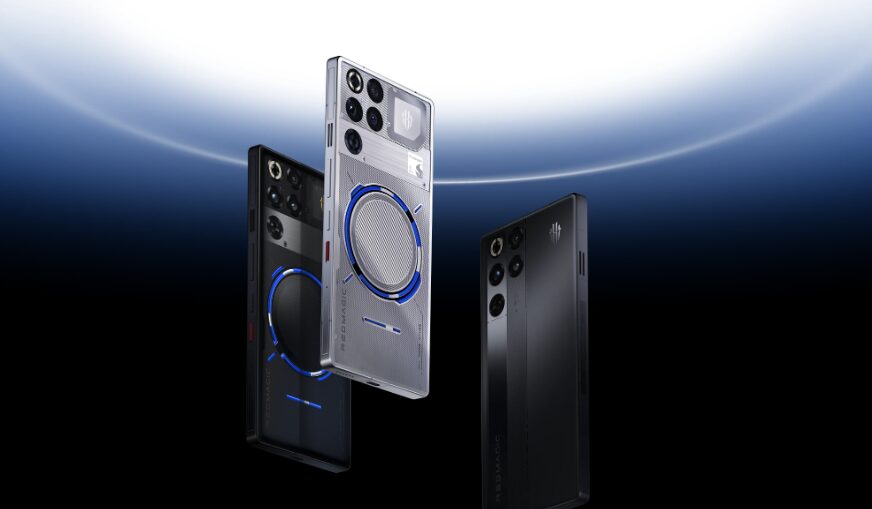
Samsung would not be breaking entirely new ground. Several Chinese phone makers have already experimented with more aggressive cooling in performance-focused models, and RedMagic is one of the clearest examples. The RedMagic 11 Pro series uses a miniature piezoelectric ceramic micropump to circulate coolant through a closed loop, which is exactly the kind of engineering trick that makes spec sheets look a little like science fiction.
The difference is scale. If Samsung ever ships something similar inside a Galaxy flagship, the technology would instantly move from a niche enthusiast feature to something far more mainstream. That is how weird ideas become normal in consumer tech: first a gaming phone, then a flagship, then everyone else pretending it was obvious all along.
A prototype stage, not a promise
Samsung has not announced a liquid-cooled smartphone, and plenty of internal research never leaves the lab. Still, the company’s interest suggests the industry is converging on the same problem from the same direction: chips keep getting faster, and heat keeps limiting how much of that speed users can actually feel. The next Galaxy headline might not be about a bigger battery or a brighter screen. It may be about whether the phone can stay cool enough to use all the silicon Samsung paid to put inside it.