

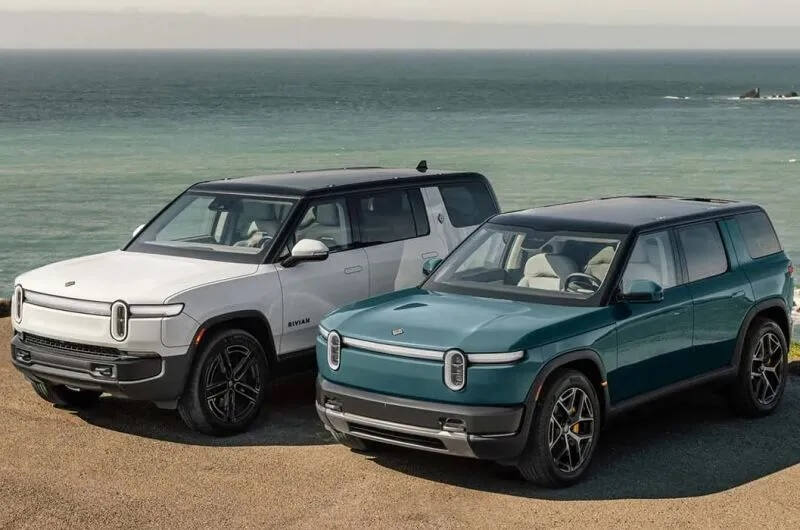
Rivian is ending the quarter with something it has wanted for a while: better numbers and a cleaner story. The company raised its full-year electric vehicle delivery forecast after second-quarter results beat Wall Street’s expectations, helped by stronger sales of its vans and R1 models and the start of deliveries for the cheaper R2 crossover.
The new range calls for 65,000 to 70,000 EVs this year, above the roughly 63,000 vehicles analysts had been looking for. That is a meaningful step up for a company that has been squeezed by higher costs, supply-chain headaches, and softer demand in the U.S., while also trimming hundreds of jobs last month to keep expenses in check.
Second-quarter deliveries beat expectations
Rivian delivered 12,194 vehicles in the second quarter, topping the 10,600 that analysts expected. Production also came in ahead of forecasts at 12,613 EVs, giving the stock a 5.9% lift. Even after that bounce, shares are still down 13% since the start of the year.
The company’s mix still matters as much as the headline total. Rivian is leaning on delivery vans for Amazon and its higher-priced R1 lineup to keep factories busy, but neither is the long-term answer investors want. That is why the R2 is doing so much heavy lifting before it has even become a volume product.
R2 pricing and early sales target
The R2 is Rivian’s attempt to widen the tent with a smaller, more affordable SUV. First versions are priced from $58,000, about $13,000 more than the base models that are due by the end of the year, but still far below an R1 pickup that can climb past $100,000 depending on configuration.
- Full-year delivery outlook: 65,000 to 70,000 EVs
- Second-quarter deliveries: 12,194 vehicles
- Second-quarter production: 12,613 vehicles
- R2 starting price: $58,000
- Base R2 models: about $13,000 less than the first versions
That pricing puts Rivian in a familiar but uncomfortable spot: still premium, yet trying hard to look more attainable. In a market where Tesla keeps squeezing price points and legacy automakers are pushing deeper into electric SUVs, Rivian needs the R2 to do more than generate curiosity. It needs to become the model that turns ”promising EV startup” into a business that can actually earn its keep.
Amazon vans keep the lights on for now
For now, the commercial van business remains Rivian’s steadier pillar, with Amazon still the biggest name attached to the program and one of the company’s largest shareholders. That gives Rivian a buffer while it tries to scale a consumer model line that has not yet delivered the kind of volume investors have been waiting for.
The next question is whether the R2 can sustain this momentum once the launch buzz fades. If deliveries keep improving and the cheaper SUV lands with buyers, Rivian gets a real path toward profitability. If not, the company will be back to managing expectations, cutting costs, and hoping the next quarter looks friendlier.