

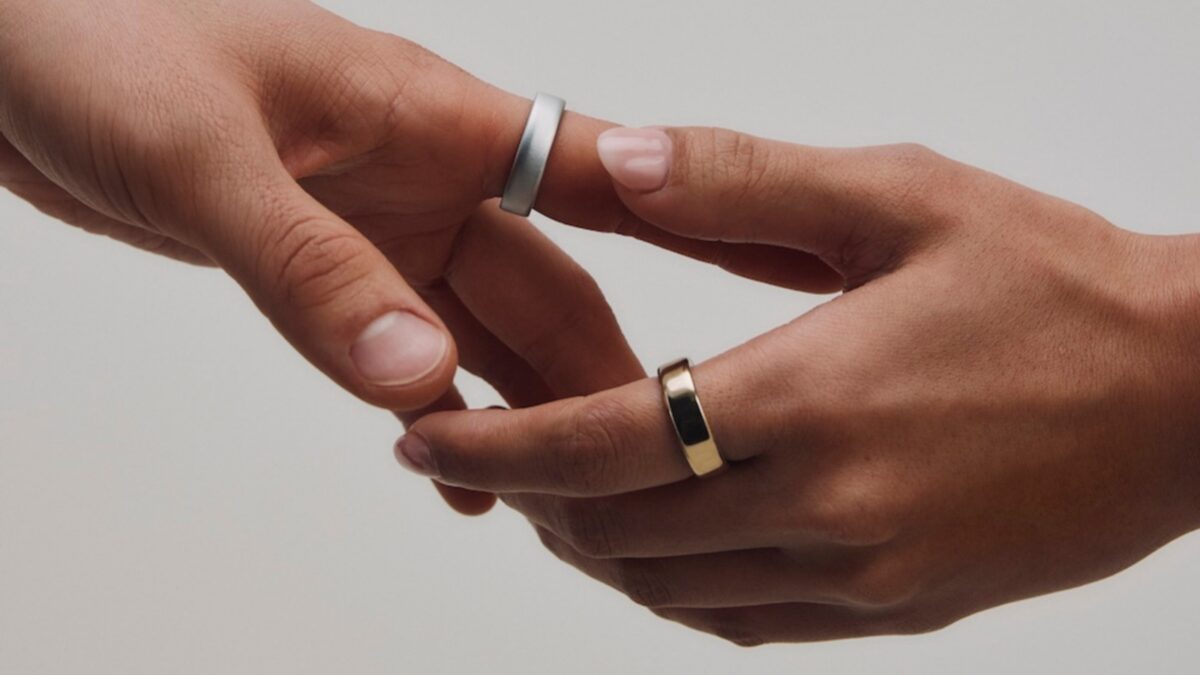
Oura has unveiled the Ring 5, pushing its smart ring in the direction users actually asked for: less bulk, better tracking, and fewer trips to the charger. The company says the new model is 40% smaller than the previous version, yet it stretches battery life to six to nine days and promises tighter health readings across sleep, heart rate, and activity.
The new ring is now 2.28 mm thick, which sounds tiny until you remember that comfort is the whole point of a ring you are supposed to wear all day and night. Oura is also leaning hard on accuracy claims, saying pulse detection reaches 99% and sleep-stage tracking 95% – numbers that put a lot of pressure on the subscription pitch that sits behind most of the product’s features.
Oura Ring 5 specs and health tracking
Beyond the slimmer shell, Oura Ring 5 keeps the company’s usual health dashboard approach intact. It measures more than 50 metrics, suggests when to go to bed, automatically detects workouts, and estimates calorie burn. Paired with a skin temperature sensor, it can also assess stress levels, menstrual cycle, and cardiovascular age.
That is familiar territory for Oura, but the competition is no longer standing still. Samsung’s Galaxy Ring and other fitness wearables have made the category more crowded, which explains why Oura is now emphasizing better sensors and longer battery life instead of trying to win on raw novelty. A quieter ring is useful; a ring that vanishes into the routine is even better.
Price, colors and subscription
The Ring 5 is available to preorder now. Glossy versions in black or silver cost $400, while matte finishes in black, silver, gold, and rose gold are priced at $500.
- Glossy black or silver: $400
- Matte black, silver, gold, or rose gold: $500
- Subscription: $6 per month or $70 per year
There is a familiar Oura catch: most features require a subscription, priced at $6 per month or $70 per year. The ring itself may be getting sleeker, but the business model is still doing the heavy lifting.
Titanium body and IP68 protection
The device uses a titanium body and carries IP68 water resistance, so it is built for daily wear rather than delicate desk duty. That matters in a category where comfort, durability, and battery life often matter more than flashy specs, and where the best devices are the ones you forget are on your finger.
Oura’s next test is less about launching another ring and more about proving that users will pay premium hardware prices plus a monthly fee for health tracking that they can wear 24/7. If the sensors really are better, the company should have an easier time making that case. If not, the subscription bill may become the loudest thing about the ring.