

OpenAI’s ambitious £30 billion AI data center project in the UK has hit a major roadblock: confirmed investments cover only a third of that figure, and key players, including OpenAI itself, haven’t even visited the proposed site. What was pitched as Britain’s giant leap into the US-style AI infrastructure race now looks more like a stalled PR stunt.
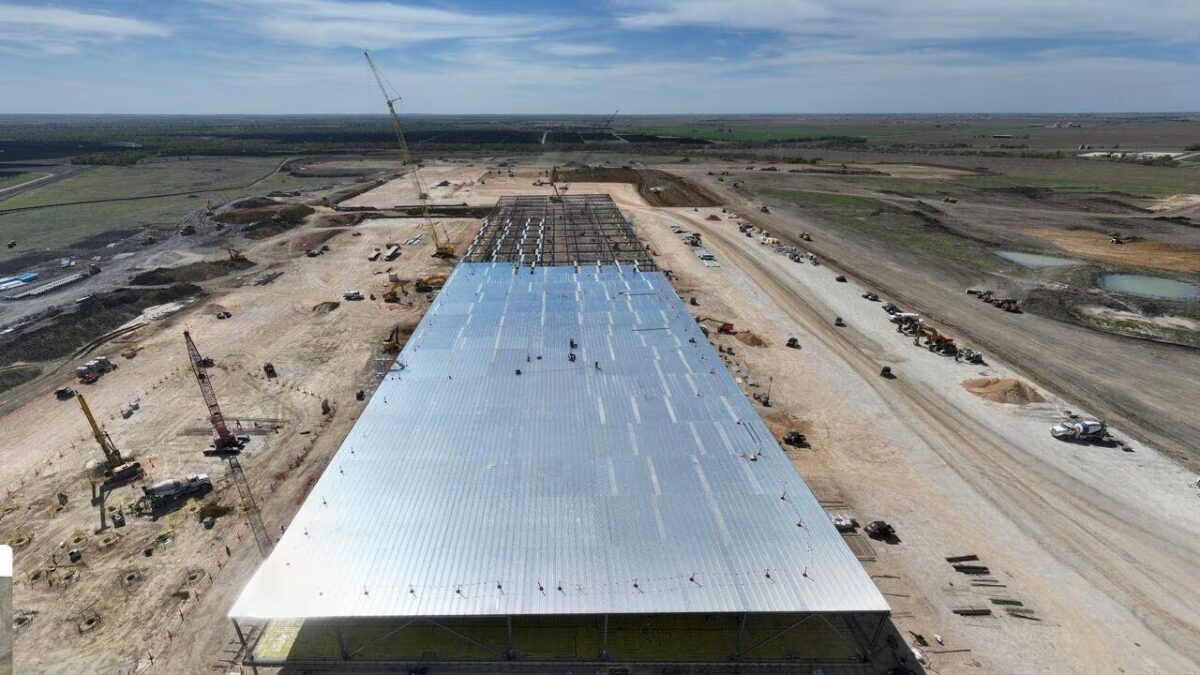
The centerpiece of this saga is Stargate UK, a planned AI data center in northeast England touted as a collaboration between OpenAI, Nvidia, and Nscale to boost the country’s AI compute capacity. Yet OpenAI paused its participation back in April, citing regulatory hurdles and prohibitively high electricity costs. Now, Freedom of Information requests reveal a more troubling picture: the site at Cobalt Park remains barely prepped, with no confirmed grid connection or investor visits – not even from OpenAI or Nscale. Only Nvidia has toured the site, and that wasn’t until five months after the public announcement.
Figures have also been muddled. From the £30 billion in expected investment heralded by the UK government for this AI hub, only £10 billion is tied to actual commitments – from Blackstone, a major real estate investor – and even then, that money is designated for a separate data center nearby, not Stargate UK itself. The leftover £20 billion turns out to be a cost estimate for the kind of infrastructure a large-scale 1.1 gigawatt facility might require, not cash ready to fund construction.
Logistical hurdles and local skepticism at Stargate UK AI data center
For locals and officials, the difference between a £30 billion investment promise and an actual project is huge. When officials talk billions, communities expect jobs, tax revenue, and visible construction. Instead, two-thirds of the sum are just paper valuations, stirring rapid erosion of trust. Camilla Kingstone of Spotlight on Corruption flagged these inflated expectations early on.
Local authorities echo similar frustrations. John Johnson, Conservative leader of North Tyneside council, said the announcement blindsided officials, who had no role in early planning. Subsequently, ”very earthly” issues emerged: energy prices, grid access, and readiness of infrastructure.
Power supply stands out as the critical bottleneck. A further probe with the UK’s National Grid operator confirmed that Cobalt Park lacks a confirmed grid hookup. Stargate UK proposed an alternative energy plan, though details remain tightly under wraps. This is a serious concern: AI data centers demand massive, stable power – especially large Nvidia-powered clusters. Across Europe, such ”free megawatts” are fiercely contested.
The Stargate UK concept reflects Britain’s attempt to carve a place in the global AI compute race. In the US, OpenAI-backed Stargate AI aims at investments up to $500 billion over several years. But British conditions aren’t the same. Only in 2024 did data centers earn recognition as critical national infrastructure here, and challenges with power connection and costs persist.
Another layer to the story is the real investor behind the scenes. Blackstone’s £10 billion project in northeast England feeds into the government’s headline figure but targets a different facility adjacent to Stargate UK. Politically, slapping OpenAI’s brand on the plan made for a better narrative – even though the money wasn’t pledged directly to OpenAI’s site. That’s a tough pill for those expecting concrete commitments.
For now, OpenAI isn’t closing the door entirely. A company rep said it’s still ”evaluating opportunities” related to Stargate UK and might move forward if conditions improve around regulation and energy costs. Translated: no cheap power, no clear rules, no data center.
This isn’t a UK-only issue. The International Energy Agency warns that data center electricity demand is spiking amid AI workloads, and the bottlenecks have shifted from servers to substations, grid lines, and hookups. Stargate UK’s troubles highlight how multi-billion-pound political announcements can stumble on very earthly bottlenecks: grid capacity, pricing, and unsigned investment deals.
The project’s next big test is already on the UK calendar. Officials plan to push northeast England’s AI power capacity to 1.1 gigawatts, with over 400 megawatts expected by 2028. If Stargate UK hasn’t secured investors, sealed a grid connection, and ironed out local logistics by then, this headline-grabbing initiative risks becoming a costly white elephant instead of a computing powerhouse.