

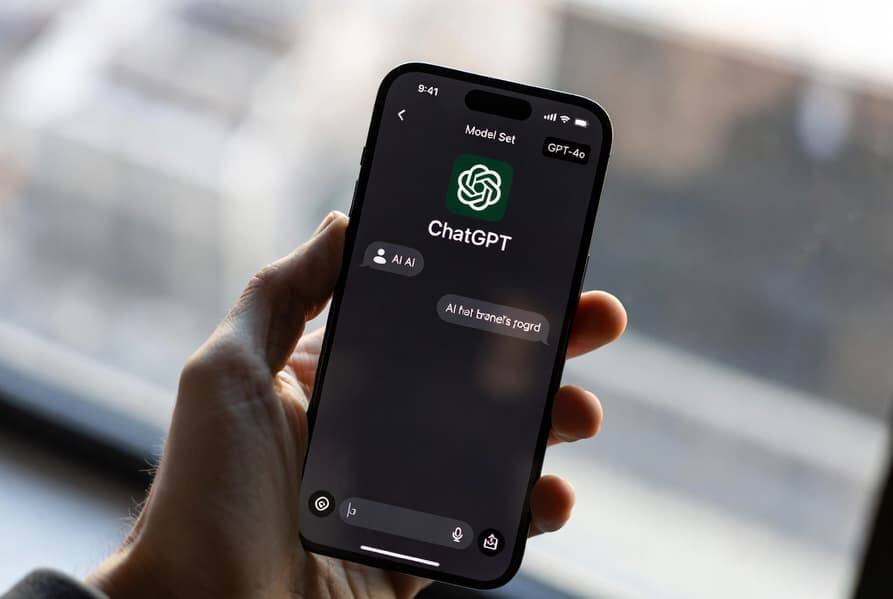
OpenAI and Apple are moving from public alliance to open friction. The AI company is reportedly furious that Apple’s iOS integration of ChatGPT is not delivering the results it expected, while Apple is said to be equally irritated after OpenAI pulled more than 40 engineers from its ranks.
The dispute centers on the ChatGPT iOS integration, which OpenAI believes is underpowered compared with the standalone app. Apple wanted an on-device AI story without surrendering control; OpenAI wanted distribution, data, and revenue. Instead, both sides appear to have found a new hobby: blaming each other for the parts that went wrong.
OpenAI says Apple underused ChatGPT in iOS
According to internal OpenAI data cited in the source material, the ChatGPT experience inside iOS is producing weaker results than the standalone app. OpenAI leaders reportedly said Apple took a shallow approach to the integration, leaving the technology underpowered and failing to generate the extra revenue the deal was supposed to unlock.
The company has already brought in an external law firm to examine whether Apple may have breached the contract. That is a fairly loud way of saying the honeymoon is over.
For Apple, the complaint lands at an awkward moment. The company has spent years trying to frame AI as an extension of its ecosystem rather than a replacement for it, and any weak link in the chain undermines that pitch. Rivals such as Google and Samsung have already been leaning harder into AI-first phone features, which makes a half-hearted integration look less like caution and more like hesitation.
OpenAI’s talent raid from Cupertino
Apple’s irritation is not just about software. The source says OpenAI chief Sam Altman has recruited more than 40 engineers from key Apple teams over the past few months, a number that will sting in Cupertino regardless of how many polite statements are issued.
The poaching accelerated after OpenAI bought io, the company founded by former Apple employees. That purchase and the new partnership with LoveFrom, led by Jony Ive, point to a broader ambition: OpenAI is not only trying to power phones, it is trying to build hardware that could one day challenge the iPhone itself.
A partnership turning into a product fight
The irony is obvious. Apple needs credible AI partners, while OpenAI needs distribution beyond its own app. But once one side starts accusing the other of wasting technology and the other side starts losing engineers, the collaboration stops looking strategic and starts looking transactional.
The most interesting question now is whether this becomes a legal dispute, a quiet renegotiation, or the opening act for OpenAI’s hardware push. If Apple’s integration is as thin as OpenAI claims, expect more pressure. If OpenAI’s recruiting spree keeps going, Apple may have to defend its talent pipeline as aggressively as its App Store.