

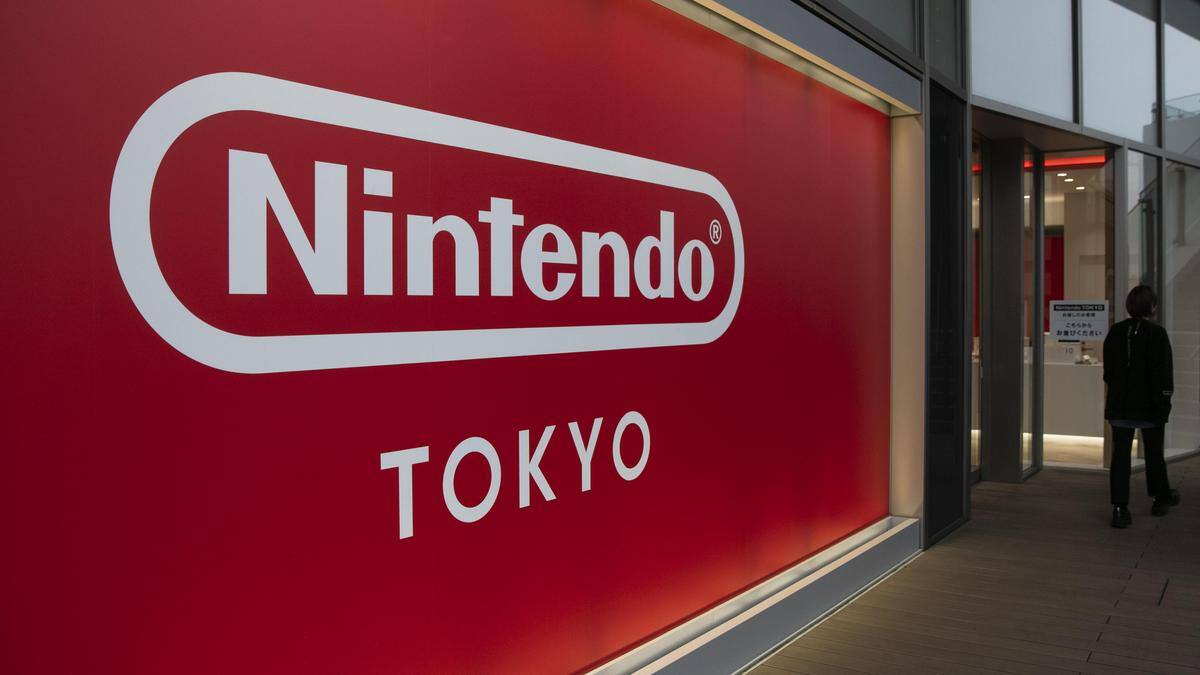
Nintendo’s stock took a 7% hit in Tokyo after the company raised Switch 2 prices and gave investors a games lineup that looks thinner than they hoped. The selloff is a reminder that even a console giant with a famously cautious forecast can spook the market when pricing rises and blockbuster releases are not yet obvious.
The company had posted strong hardware sales for the financial year ended March, but that was not enough to offset a softer outlook. Nintendo is still leaning on the original Switch and familiar franchises like ”The Legend of Zelda,” while also pointing to hits such as ”Pokemon Pokopia”; what it is not doing, at least for now, is flashing the kind of flagship pipeline that reassures analysts.
Switch 2 prices go up in Japan and the U.S.
Nintendo said the Japanese-language Switch 2 model in Japan will rise by 10,000 yen to 59,980 yen from May 25. Prices in markets such as the U.S. will also increase from September 1. That is a tricky move for a brand that sells to casual gamers as well as loyalists, because those buyers tend to notice price hikes faster than they notice corporate strategy.
- Japan Switch 2 price: 59,980 yen, up by 10,000 yen
- Japan price change starts: May 25
- U.S. and other market price changes start: September 1
Analysts see weak guidance, but not panic
Morningstar’s Kazunori Ito argued that the year-on-year decline in game shipment guidance could signal a lack of confidence in Nintendo’s pipeline. Jefferies’ Atul Goyal pushed back, saying the second year of a console cycle is usually where engagement accelerates and predicting a Mario AAA release this year. That split neatly captures Nintendo’s problem: the company is either being unusually conservative again, or it is asking investors to wait with too little in hand.
There is a broader pressure point here, too. Electronics makers are dealing with surging memory chip prices, which makes hardware margins harder to protect just as consumers become more price-sensitive. Nintendo cannot lean on diversification the way Sony can, and that leaves the gaming business exposed if the new console cycle starts slowly.
Sony is playing a different game
While Nintendo slid, Sony rose 10% in Tokyo on Monday. Sony forecast lower sales but higher profit in gaming, and it also said it plans a new joint venture with TSMC to develop and manufacture image sensors in Japan, giving it another lever to manage costs. That is the advantage of being broader: if consoles wobble, the rest of the machine can still hum.
Nintendo’s next test is simple enough to describe and hard to fake: can it turn a pricier Switch 2 into a stronger software cycle, or will investors keep treating the launch as a hardware story with not enough software behind it?