

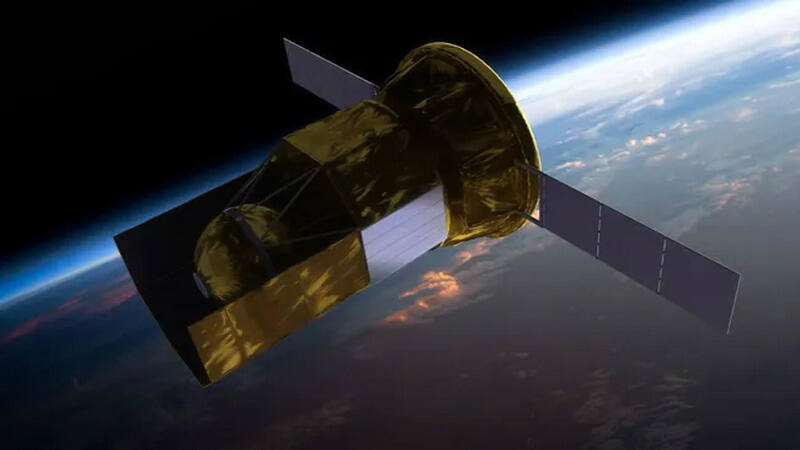
NASA is about to test something spaceflight has wanted for decades: moving and storing super-cold fuel in orbit without turning it into expensive vapour. Later this year, the agency plans to launch LOXSAT, a demonstrator designed to prove that orbital refuelling and cryogenic propellant handling can work in microgravity well enough to support future Moon and Mars missions.
The target is not glamorous, but it is practical. If NASA can make orbital cryogenic fueling work, it opens the door to depot-style refuelling, longer missions, and fewer ”launch everything at once” gymnastics. That is especially relevant as SpaceX and Blue Origin keep pushing their own lunar landers through testing, whether or not either company is ready on NASA’s preferred timetable.
LOXSAT heads to low Earth orbit
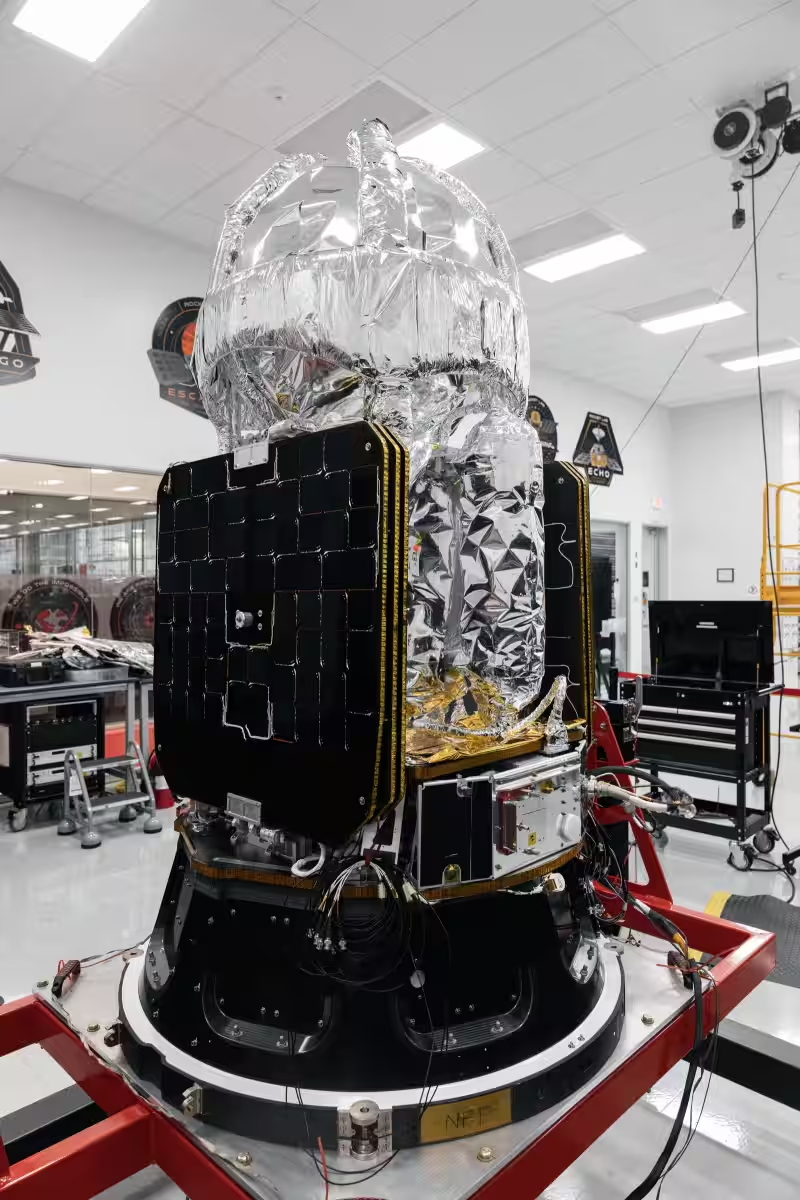
NASA says LOXSAT will ride into low Earth orbit this summer aboard Rocket Lab’s Photon satellite platform, with launch currently pencilled in for 17 July from New Zealand on an Electron rocket. The mission is expected to last nine months and will gather data on 11 parts of the cryogenic fluid-management system.
That sounds niche because it is niche. It also matters because cryogenic propellants have to stay at tightly controlled temperatures on Earth and in space, where heat seepage, sloshing, and low gravity make everything awkward. NASA wants to learn how to manage all of that before the agency asks astronauts to trust it on a deep-space mission.
- Mission: LOXSAT
- Launch window: this summer
- Current target date: 17 July
- Launch vehicle: Electron
- Platform: Rocket Lab Photon
- Duration: nine months
- Systems under test: 11
Artemis landers need orbital fuel transfer
The test is tied directly to NASA’s Artemis ambitions, which depend on landers that use cryogenic propellant and will need refuelling in orbit. SpaceX’s Starship uses liquid oxygen and liquid methane, while Blue Origin’s Blue Moon uses liquid oxygen and liquid hydrogen. Both propellant combinations need constant cooling to stay liquid, and neither has yet shown long-term storage or transfer between spacecraft in real mission conditions.
That gap is why LOXSAT has become more than a science project. NASA is working with Eta Space, while teams at Marshall, Glenn, and Kennedy are involved in the broader cryogenic-fluid programme. The agency selected Eta Space through its Tipping Point initiative, which backs 14 companies building technologies to support stable lunar operations by 2030.
Starship, Blue Moon and the schedule squeeze
The timing is awkward for everyone. Starship is preparing for its 12th test flight on 20 May, the first launch of the Starship V3 version, and Blue Moon MK1 is in final testing in Florida after New Glenn’s second-stage failure left its payload stranded. If SpaceX stumbles again, or Blue Origin stays grounded while regulators finish their review, NASA’s Artemis plans get even tighter.
NASA still says Artemis-3 is planned for the end of 2027, with four astronauts set to practise Orion rendezvous and docking with one or both landers in low Earth orbit. If LOXSAT works as intended, it will not deliver the Moon itself, but it could give both rivals the same thing they have not yet earned: proof that orbital refuelling is not just a PowerPoint feature.