

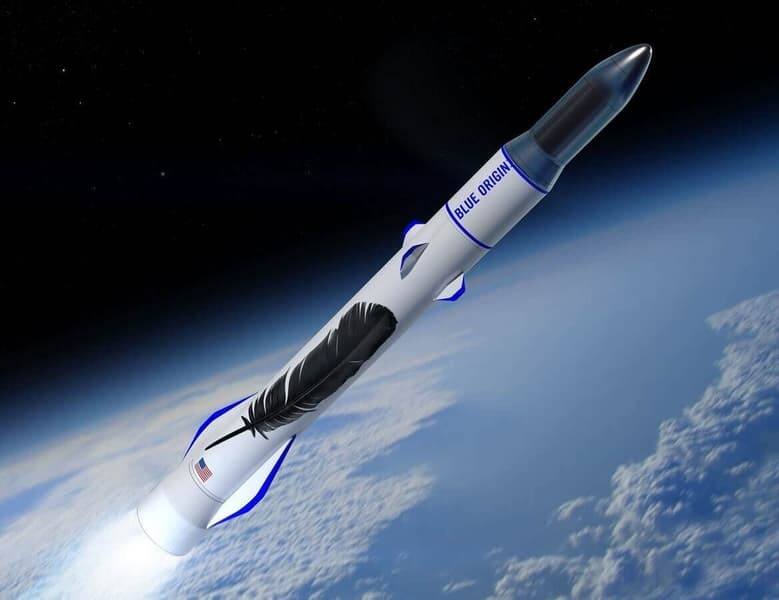
NASA has stepped into Blue Origin’s licensing fight over Project Sunrise, warning that Jeff Bezos’s plan for a 51,600-satellite orbital network could create serious hazards for crewed missions, scientific spacecraft, and the already crowded low-Earth environment. The agency’s objection lands in the middle of a broader industry race to move compute into space – a neat idea on a slide deck, and a much messier one once orbital traffic, debris, and regulator scrutiny show up.
Blue Origin says Sunrise would place satellites in sun-synchronous orbits between 500 km and 1800 km above Earth, with the goal of shifting data-center workloads off the ground and into orbit. NASA’s reply is blunt: the filing does not provide enough technical discipline, especially around end-of-life disposal, and the upper parts of that orbital range overlap with paths used by crewed flights and national science missions.
NASA’s objections to Project Sunrise
The biggest problem is not ambition. It is bookkeeping. NASA says Blue Origin has not laid out clear procedures for how each satellite will be retired, which raises the risk of dead spacecraft hanging around long enough to become debris. In a constellation this large, vague cleanup plans are basically an invitation to orbital clutter.
The agency also questioned Blue Origin’s assumptions about launch-market demand and the density of the proposed fleet. That matters because a mega-constellation is not just a technical project; it is a traffic-management problem with a business model attached, and regulators have started treating those two things as inseparable.
The SpaceX comparison is hard to ignore
NASA’s warning lands awkwardly for the Bezos camp because Amazon, through its Amazon Leo division, previously attacked SpaceX plans for a 1 million-satellite constellation as speculative and unworkable. Now Blue Origin is the one being told its own numbers and orbital assumptions need far more proof.
There is a useful contrast here. SpaceX has already been forced by international pressure to agree to lower the orbits of more than 9,300 Starlink satellites to below 500 km to reduce collision and debris risks. That gives regulators a real-world benchmark – and it is not flattering to a proposal that wants to spread tens of thousands of spacecraft up to 1800 km.
FCC now has the awkward call
NASA did not dismiss the project outright. It said Blue Origin has at least thought about reducing harm to astronomy, unlike the early days of Starlink, and it signaled willingness to work with the company on the technical details. That is the polite version of ”come back with better paperwork.”
The final call sits with the FCC, which can reject the application or demand far more detail on coordination, safety, and disposal. If Sunrise survives, it will likely do so only after a long, public wrestling match over how many satellites the sky can realistically take before the sky itself starts filing complaints.