

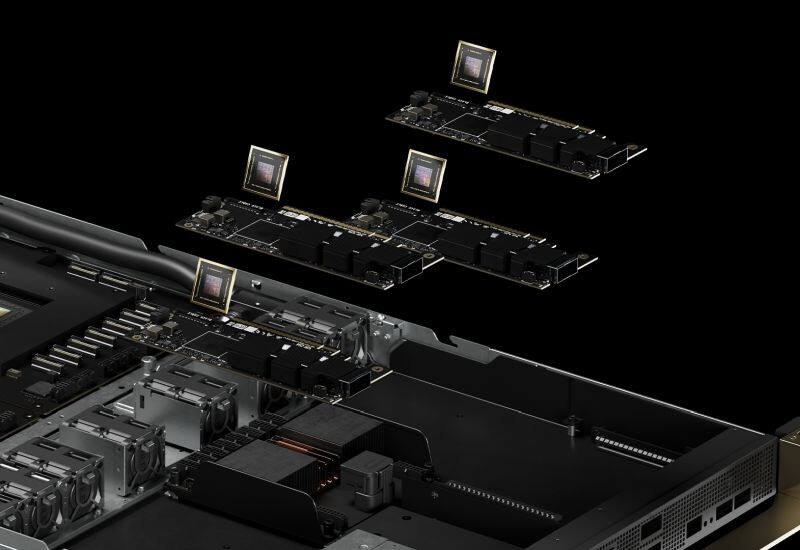
Malaysia has seized a shipment of 72 server systems with advanced AI chips, part of a broader regional effort to stop U.S.-origin hardware from being rerouted into China. The haul, valued at $13 million, was intercepted at Kuala Lumpur International Airport on June 5 after authorities said the paperwork did not match the cargo’s real destination.
The Malaysia AI server seizure is a reminder that export controls are only as strong as the paperwork around them. Washington has spent months pressing Asian partners to tighten checks on transit shipments, and Malaysia – which already imposed restrictions last year on AI-related components bound for China – is now trying to prove it can police the gaps.
How the Malaysia AI server seizure was disguised
According to the authorities, the servers were listed as computer components, with Malaysia shown as the final destination even though investigators believe the shipment was meant for re-export to another Asian country. In other words: the labels were doing a lot of heavy lifting. Because the transfer should have required approval from Malaysian officials, the lack of a permit turned the shipment into an illegal import route under national law.
A local company involved in the scheme has been pulled into the investigation, and the server cargo has been confiscated. The episode also shows why the U.S. keeps pushing allies to watch for transshipment hubs: once restricted Nvidia-based systems land in a regional middleman market, they can be much harder to track.
Why transshipment hubs keep coming up
Malaysia is not the only point of concern. Singapore has long been viewed as another major route for moving restricted Nvidia accelerators from the U.S. into China, and American authorities recently arrested two Chinese nationals over alleged illegal shipments tied to that flow. That pattern suggests the problem is less about one country failing and more about a supply chain that keeps finding new weak spots.
Malaysia also reported a separate airport seizure this month involving boxes labeled as CPU packaging but actually containing vape-liquid containers with banned substances, destined for another neighboring country. Different cargo, same trick: mislabel the shipment, move it through a transit point, hope nobody looks too closely.
What the AI chip crackdown is likely to catch next
The next pressure point is likely to be documentation rather than hardware. The chips and servers themselves are already under scrutiny; the harder job is spotting when a perfectly ordinary freight manifest is being used to smuggle restricted computing gear through a regional warehouse network. Expect more inspections, more seizures, and more awkward questions for companies that claim not to know where a shipment is really headed.