

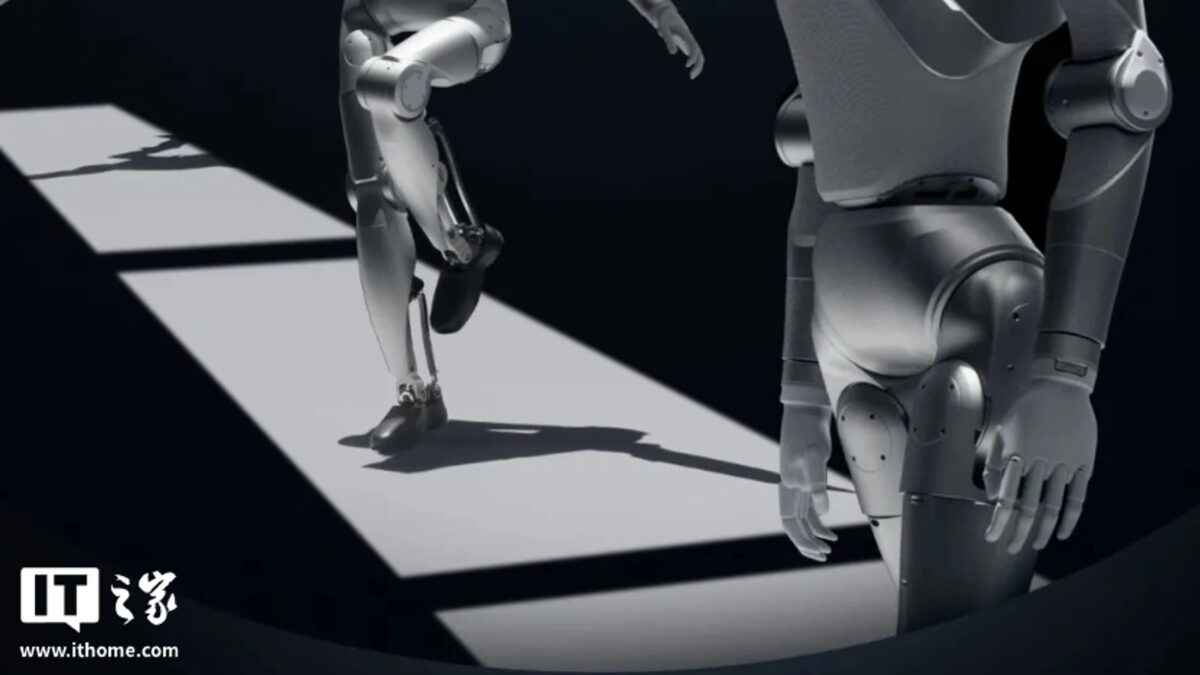
LimX has put its LimX Luna humanoid robot on sale in China, and the pitch is familiar: part research platform, part showroom attraction, part expensive proof that robots can now do more than stand there looking futuristic. The base price starts at $43,000, while the first 100 units are listed at $38,000. For buyers keeping score, that puts Luna in the same broad bracket as other premium humanoids chasing enterprise customers rather than consumers.
The robot stands 160 cm tall and has 27 degrees of freedom, which is the sort of spec sheet detail that matters because movement is the whole point here. LimX says Luna uses a second-generation SYS 0 motion control system, has improved heat dissipation, a longer-lasting battery, and supports multimodal interaction. The company also says battery life is 150% longer than the predecessor, and that wired power enables 24-hour continuous operation.
Safety features and motion control
LimX is not just selling choreography. Luna includes external-force detection, stops moving after a fall, and supports manual stop control plus one-touch emergency shutdown throughout operation. That is the kind of safety list you expect from a robot aimed at public-facing deployments, because once a humanoid is wandering near shoppers or guests, ”looks cool” stops being a sufficient engineering strategy.
In practice, the company appears to be targeting venues that need a robot with a friendly face and a manageable risk profile. Trade-show demos have taught the industry that walking hardware gets attention; making it reliable enough for repeated use is the harder business.
Where LimX wants Luna to work
LimX says the LimX Luna humanoid robot can serve as a guide in shopping malls or as an interactive performer in amusement parks. It can also learn to dance from video, which is a neat party trick and a useful signal: the robot is being positioned as a platform for motion-rich, human-facing tasks rather than a pure industrial arm replacement.
- Height: 160 cm
- Degrees of freedom: 27
- Price: from $43,000, with the first 100 units at $38,000
- Battery life: 150% longer than the predecessor
- Operation: wired power for 24-hour continuous use
The bigger question is whether buyers want a dancing humanoid with safety systems and a premium tag, or whether they will wait for robots that are less showy and more useful. Right now, the market keeps rewarding the spectacle first. The bills, as ever, are less theatrical.