

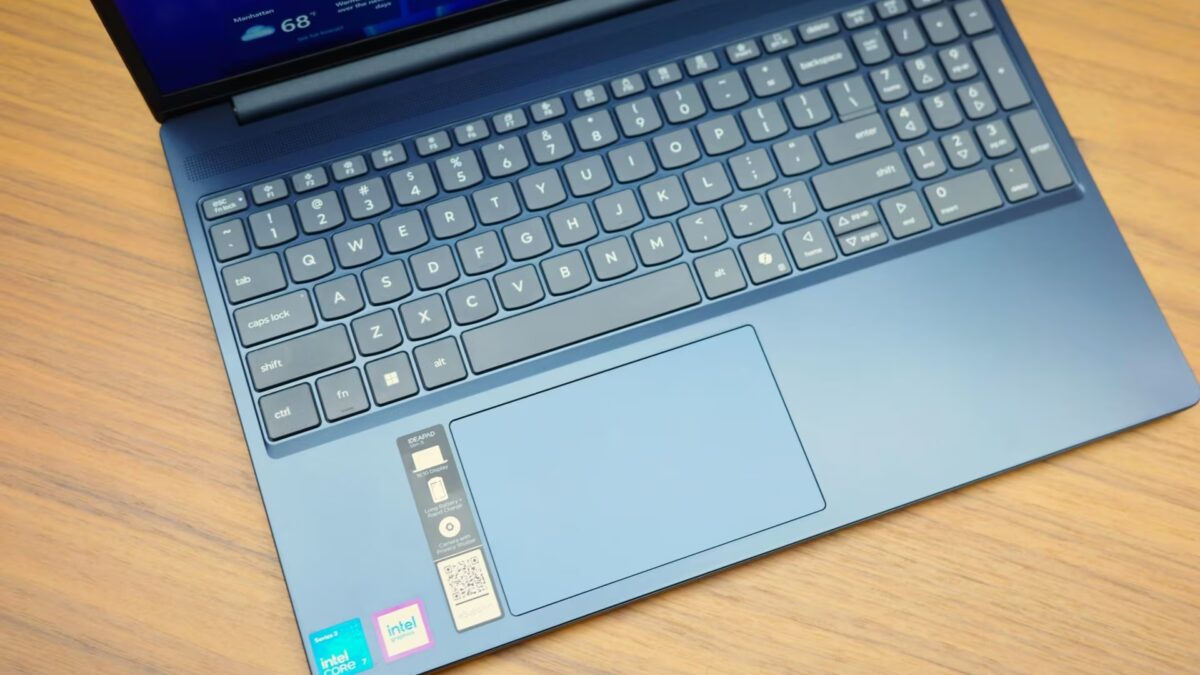
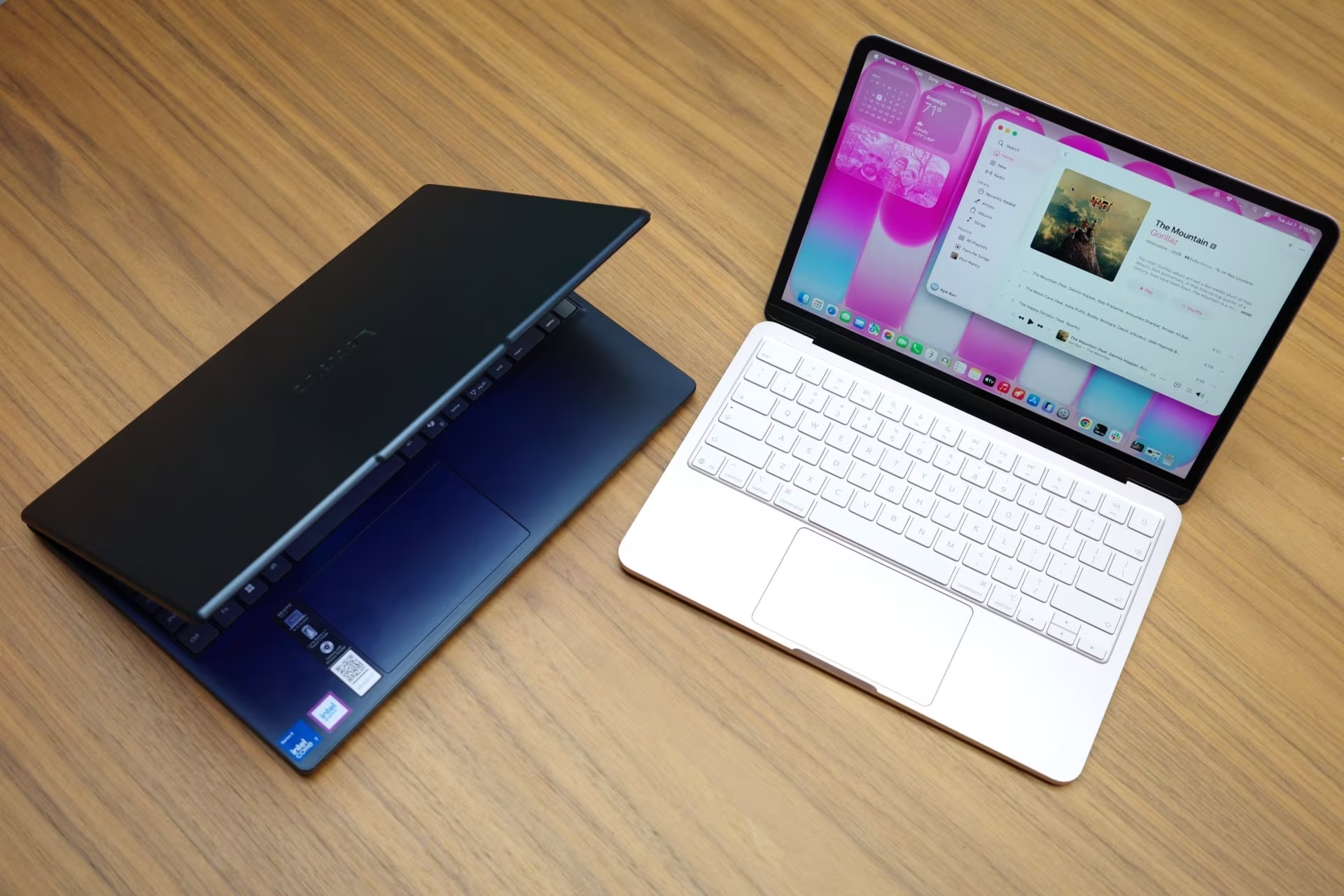
Lenovo’s IdeaPad Slim 3i, one of the first laptops powered by Intel’s new Wildcat Lake chips, has landed in the U.S.-aimed as a budget Windows alternative to Apple’s MacBook Neo. But early benchmark results are mixed. While the Lenovo occasionally pulls ahead in some tasks, it struggles with graphics performance and comes with a price tag that pushes it out of the truly affordable category. This is a setback for Intel, which counts on Wildcat Lake to drive sub-$1000 mainstream PC sales.
The main bottleneck appears in graphics. Wildcat Lake is essentially a scaled-down variant of Intel’s upcoming Panther Lake platform, with significant cuts to the integrated GPU. Entry-level Wildcat Lake chips pack just two Xe3 graphics cores, compared to four in the cheapest Panther Lake model, and the real-world impact is clear.
In Blender tests, the Wildcat Lake’s integrated graphics rendered a scene in 2 minutes and 50 seconds, while the 5-core GPU in Apple’s A18 Pro completed the same task in just 39 seconds. In 3DMark Steel Nomad Lite, the MacBook Neo was roughly 43% faster than the Lenovo. For gamers, this means only the simplest titles run decently, and then only on low settings. In 2026, that’s a tough pill to swallow even at budget price points, where customers increasingly expect one laptop that can do it all.
Lenovo IdeaPad Slim 3i build quality and features
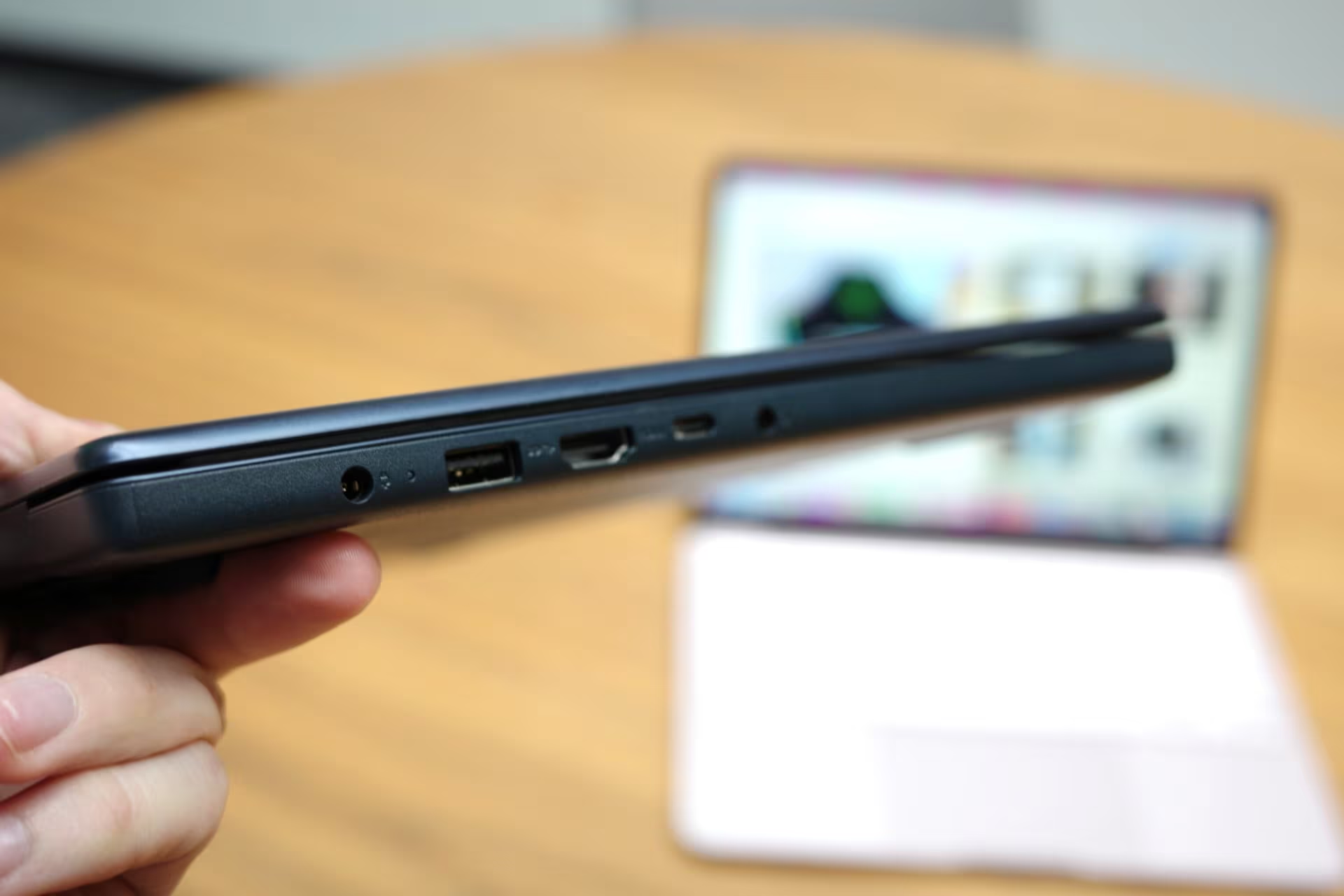
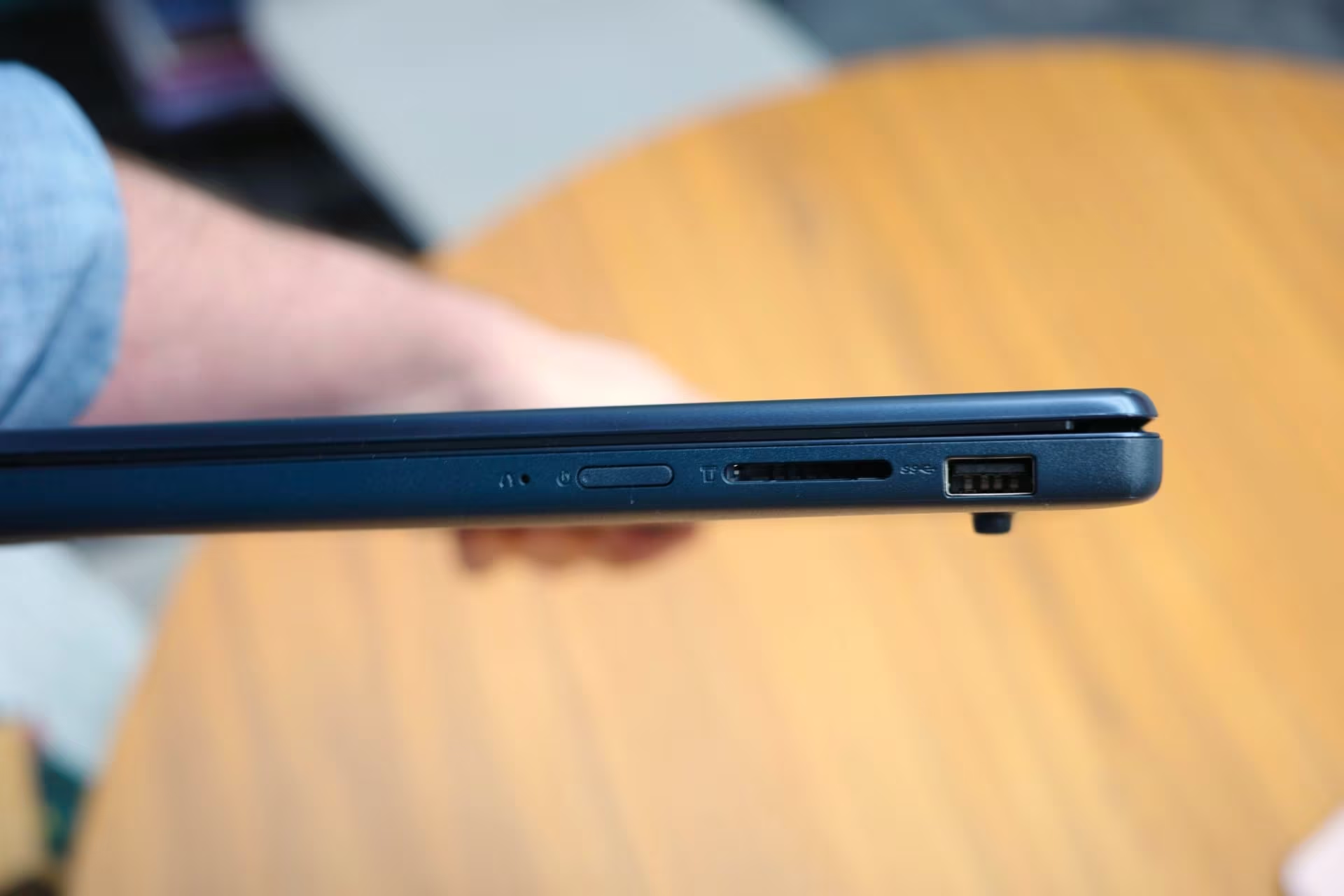
It’s not just raw numbers holding the IdeaPad Slim 3i back. The laptop’s plastic chassis feels flimsy-the lid flexes easily and picks up fingerprints quickly. Its display is described as a dim IPS panel, and charging defaults to a bulky barrel connector, even though USB-C charging is supported. These quirks add up to a package that may not endure heavy daily use over a couple of years without issues.
By comparison, the MacBook Neo stands out as a tough rival. Apple’s machine, now priced around $700 after recent hikes, packs the mobile A18 Pro chip originally built for the iPhone 16 Pro. This isn’t an odd compromise anymore-as long as battery life holds up, and day-to-day responsiveness and graphics are solid, the MacBook Neo offers a compelling value proposition.
Lenovo also faces competition within the Windows ecosystem. The IdeaPad Slim 5x, powered by Qualcomm’s Snapdragon X2 Plus ARM chip and priced near $850, often outperforms both the MacBook Neo and the IdeaPad Slim 3i across multiple scenarios, according to Gizmodo’s tests. Qualcomm has made significant inroads in thin, affordable laptops with ARM processors over the past two years. Canalys reports that while ARM-based PCs remain a niche, their share is growing in premium slim laptop shipments at double-digit rates.
As a result, the IdeaPad Slim 3i caters to a narrow crowd: buyers who want a touchscreen, lots of ports, a numpad, and Windows, but have a tight budget. Yet for those buyers, the price needs to fall closer to $800 to stay competitive. Otherwise, the Slim 3i is vying not just with Apple’s MacBook Neo, but stronger contenders running Snapdragon or Ryzen chips. Coming in the second half of 2026, models like the Acer Swift Air 14 and other affordable metal-bodied laptops will leave Wildcat Lake with even less margin to compete on simplicity alone.
Intel’s Wildcat Lake launch is a pivotal moment for the budget laptop segment. The struggle against Apple’s efficient ARM silicon and Qualcomm’s growing presence in Windows laptops means Intel must deliver more than just modest CPU improvements. Whether Wildcat Lake chips can evolve to offer better graphics and durability while hitting aggressive price points will shape the fate of affordable Windows ultrabooks in the next year.
Lenovo IdeaPad Slim 3i pricing and competition
The Lenovo IdeaPad Slim 3i is priced just above $900, which narrows its appeal against rivals. For comparison:
- Lenovo IdeaPad Slim 3i: around $900
- Apple MacBook Neo: approximately $700
- Lenovo IdeaPad Slim 5x (Snapdragon X2 Plus): around $850
- Acer Swift Air 14 (upcoming): expected below $900