

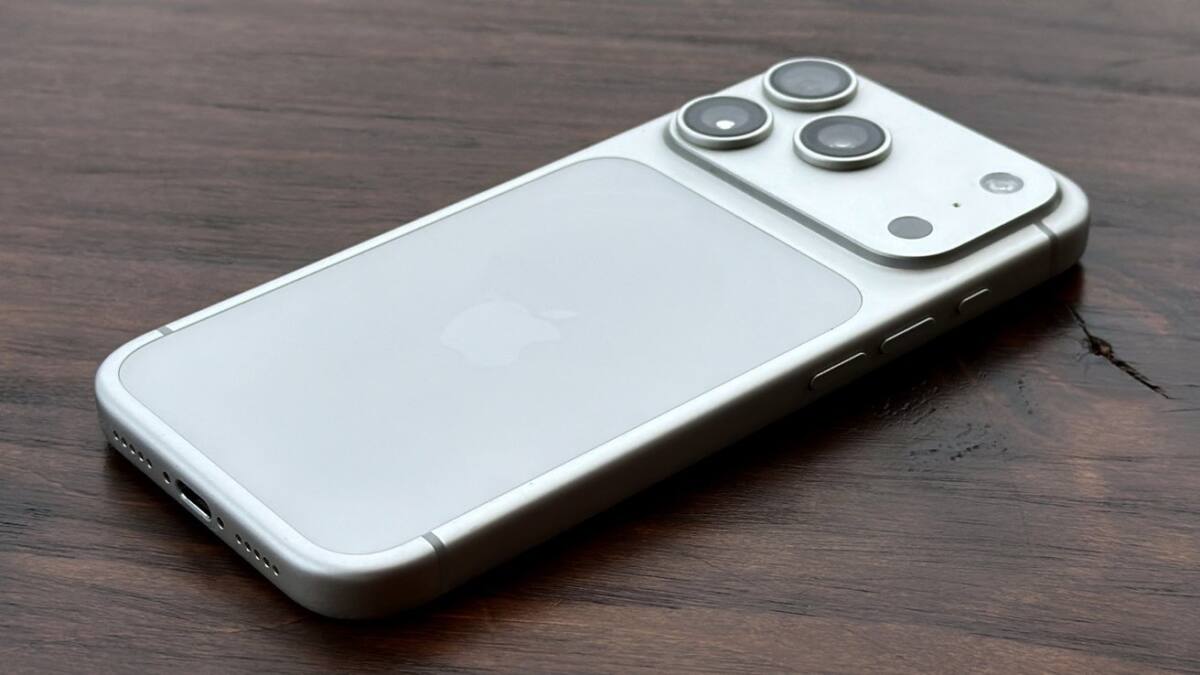
A fresh iPhone 18 Pro storage rumor says Apple may split storage by capacity, with the top-end 1TB and 2TB models potentially using slower QLC NAND instead of TLC. That sounds dramatic until you remember this exact story surfaced before and appears to have gone nowhere for the iPhone 16 Pro.
If Apple does make the switch, it would be less about daring engineering and more about supply, cost, and the messy reality of flash memory sourcing. The company has long juggled multiple storage suppliers, and the bigger capacities are the hardest and most expensive parts to secure.
What the latest iPhone 18 Pro storage rumor says
The report, passed along from an X post by the leaker ”Reptalica,” says Apple will use TLC NAND from SK Hynix, Kioxia, and SanDisk for 256GB and 512GB iPhone Pro and Pro Max models. According to the claim, the 1TB version would combine SK Hynix QLC storage with Samsung TLC chips, while the 2TB model would rely entirely on SK Hynix QLC.
That would create a neat tiering system on paper, but it also raises the obvious question: who is this actually for? Most buyers will never touch the highest capacities, and Apple tends to reserve the weird compromises for the products that sell in smaller numbers anyway. It is a classic ”we need enough parts” move, dressed up as product segmentation.
QLC vs TLC on iPhone
- TLC stores three bits of data per cell.
- QLC stores four bits per cell, which helps with density and cost.
- QLC is generally slower and is considered less reliable than TLC.
- The biggest concern is random-read performance, not everyday app launching.
That last point matters more than the spec-sheet panic suggests. iPhone storage activity is usually bursty rather than constant, so most users would struggle to notice the difference without running benchmarks and squinting at charts for sport.
Why this rumor keeps coming back
This is almost a rerun of the January 2024 chatter before the iPhone 16 Pro launch. Back then, we heard the same basic claim: QLC for the highest-capacity iPhones, TLC for the rest. What actually shipped, at least based on the reports available so far, looks a lot closer to the faster TLC side of the bet.
There is a broader reason these rumors keep surfacing. NAND pricing swings, Apple buys enormous volumes of components, and premium storage tiers are exactly where suppliers and margins get awkward. Even so, a rumor repeating itself does not make it true; it just means the supply-chain story is still convenient enough to recycle.
What to watch before the iPhone 18 Pro arrives
If this claim gains traction again, the real tell will be whether other sources start backing it with supply-chain detail rather than a single leaker repost. Until then, the safest assumption is that Apple will keep prioritizing the mainstream 256GB and 512GB models and leave the high-capacity tier as the place where the compromises, if any, live quietly in the background.