

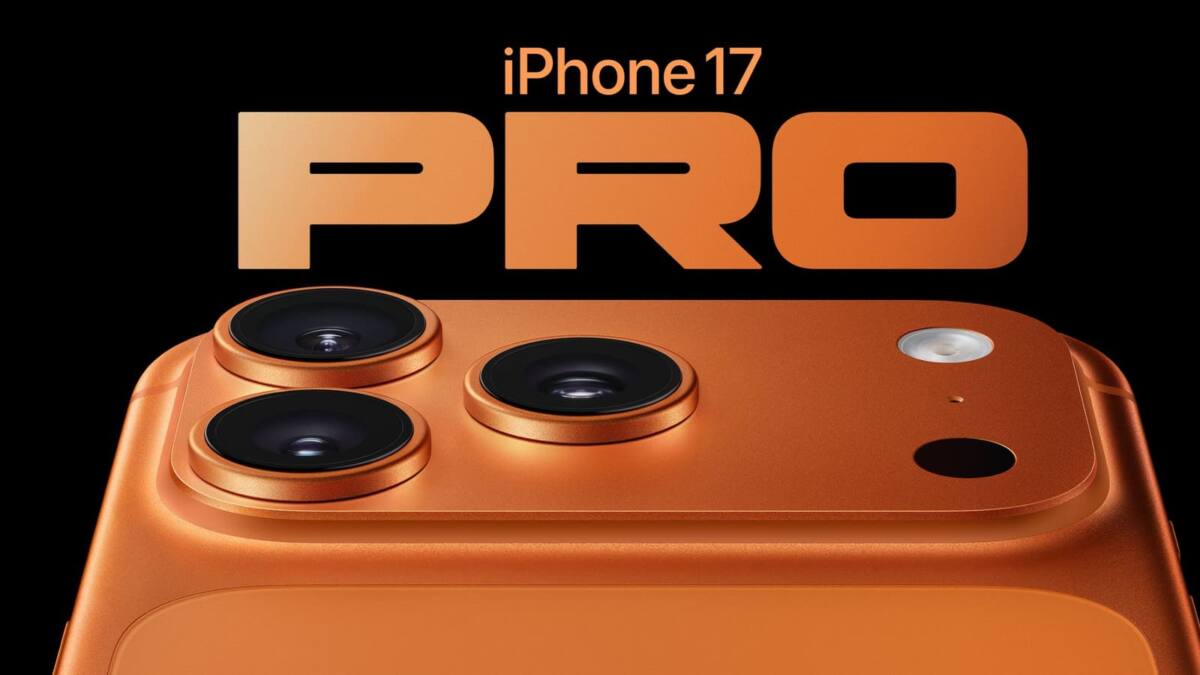
Apple’s iPhone 17 lineup has cleared more than 30 million activations in China, and the biggest winner is the iPhone 17 Pro Max. The numbers point to a familiar pattern: once the price drops, demand shows up fast, and the premium model usually takes the largest share.
According to Digital Chat Station, the surge came after Apple cut prices on the iPhone 17 Pro series by about 1,000 yuan, or $145, in mid-May. Search interest reportedly jumped around sevenfold in the first days, a reminder that luxury phones can be surprisingly sensitive to discounts when the timing is right.
iPhone 17 Pro Max leads the pack
The split is heavily skewed toward the largest, most expensive model. The iPhone 17 Pro Max has reportedly reached more than 13.2 million activations, while the iPhone 17 Pro sits at about 7.8 million and the standard iPhone 17 at roughly 9.16 million.
- iPhone 17 Pro Max: more than 13.2 million activations
- iPhone 17: about 9.16 million activations
- iPhone 17 Pro: about 7.8 million activations
That distribution is not shocking. In China, as in many major markets, the ”Pro Max” badge has become shorthand for status, battery life, and the best camera setup – a combination that sells even when the sticker price makes buyers wince. Apple’s rivals, especially Huawei and Xiaomi, have spent years fighting for the same upscale buyers, but Apple still tends to dominate the ultra-premium end when promotion cycles line up.
The base iPhone 17 outpaces the Pro model
What stands out is that the base iPhone 17 is not an afterthought here. With around 9.16 million activations, it is comfortably ahead of the Pro model, which is the least popular of the three at about 7.8 million.
That may say more about pricing psychology than about product ambition. Apple has spent years nudging customers up the ladder, but in a market where promotions can reshape demand overnight, even a flagship family can behave like a seasonal bargain bin with better cameras.
What the China numbers suggest for Apple
If these figures hold, Apple has shown that it can still move enormous volume in China when it is willing to flex on price. The next question is whether the company can keep that momentum without leaning so hard on discounts, especially as local rivals keep sharpening their premium phones and their pricing.
For now, the message is blunt: Apple’s Chinese audience is still there, still paying attention, and still very willing to upgrade – as long as the deal looks good enough.