

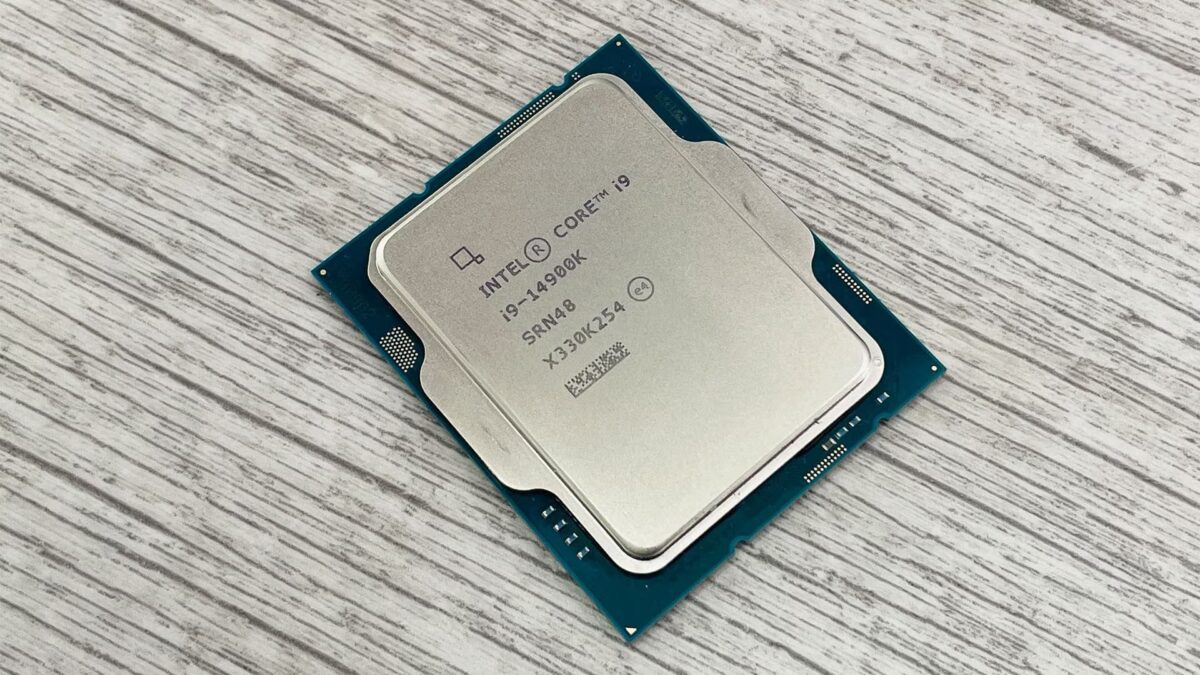
Intel has confirmed selective price hikes on certain consumer and server processors, citing higher supply chain costs and shifts in market conditions. While the company isn’t overhauling its entire price list, the increases on premium chips are already noticeable.
The server-focused Xeon lineup takes the biggest hit. Intel says some Xeon models will go up by 7-12%, with price jumps reaching hundreds or even thousands of dollars on higher-end SKUs. Entry-level server processors, however, mostly remain steady-Intel seems keen to avoid pinching clients operating on tight budgets.
On the consumer side, the situation is calmer. Price increases are limited to a handful of Core Ultra 200-series Plus models, including the Core Ultra 7 270K Plus and Core Ultra 5 250K Plus, with bumps of $30 to $50. Other Arrow Lake processors and consumer lines are unaffected for now.
The cause is simple: memory and component costs are climbing, pushing up overall PC build expenses. This is especially sensitive for Intel since some buyers are shifting back to more affordable DDR4 platforms, which support solid demand for older 10th to 14th-generation Core chips. In contrast, Arrow Lake desktop processors rely on pricier DDR5 memory.
Intel faced a similar price surge warning in 2022, linked to inflation and rising manufacturing costs. But the current situation is trickier. On the server front, Intel’s profit margins face growing pressure from AMD, which has strengthened its foothold in x86 processors in recent years. Meanwhile, consumer PC demand remains uneven. The targeted price increase looks like Intel’s attempt to maintain profitability without alienating the broader market.
Enthusiasts and data center operators will feel the impact in upcoming shipments. If memory and logistics costs don’t ease in the second half of 2024, Intel could extend price hikes to other high-end models-especially where it can more easily pass costs onto customers.