

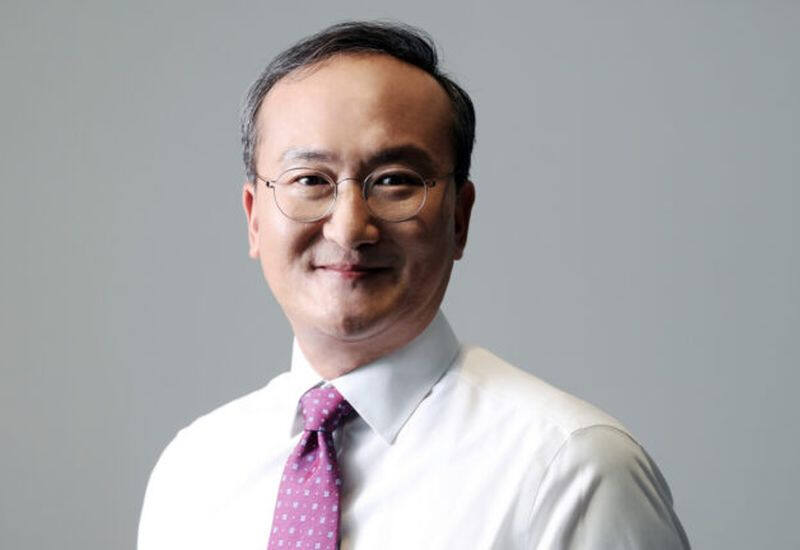
Intel has handed its foundry advanced packaging push to a familiar face from South Korea: Seok-Hee Lee, the former head of SK hynix and SK On, is joining Intel as executive vice president with responsibility for advanced packaging, systems integration, and the final stages of chip processing. That is a tidy hire on paper and a telling one in practice, because the bottleneck in modern AI hardware is no longer just making chips – it is stitching them together well enough to keep up with demand.
Lee’s appointment also signals where Intel thinks the next fight is in advanced packaging. The company is trying to narrow the gap with rivals such as TSMC, while Samsung Electronics remains one of the few major memory players with broad semiconductor ambitions. Intel Foundry is trying to offer more than wafer fabrication, and Lee arrives with exactly the kind of memory-and-systems background that makes that pitch more credible.
What Seok-Hee Lee will run at Intel Foundry
According to Intel, Lee will oversee all advanced packaging technologies, broader systems integration, and chip back-end processing. The company says his job is to help deliver ”innovations at the system level” for customers with different needs, which is corporate-speak for doing the hard work of combining heterogeneous components into something that behaves like one high-performance product.
Intel CEO Lip-Bu Tan said advanced packaging and systems integration are becoming defining capabilities for next-generation computing systems. He put Lee directly under him, which is a nice way of saying this is not a side project. Intel also says Lee will help expand services around EMIB-T and HBI, two packaging approaches that matter more as AI and high-performance computing systems become more modular and more demanding.
Why Intel went shopping in memory
The choice of Lee makes sense because the memory business has been living at the edge of advanced system integration for years. SK hynix is a leader in HBM3E, with about half of the global market, and high-bandwidth memory is now one of the defining components in AI accelerators. Intel does not just need a packaging executive; it needs someone who understands how memory, logic, and system design increasingly live or die together.
- Lee previously led SK hynix before becoming CEO and president of SK On.
- He has also worked at Intel before, so this is a return rather than a cold arrival.
- His mandate covers advanced packaging, systems integration, and final chip processing, while Naga Chandrasekaran keeps control of earlier manufacturing steps tied to 18A, 14A, and newer nodes.
The rest of Intel Foundry stays put
This is not a reshuffle of the entire foundry business. Naga Chandrasekaran remains in charge of the front-end manufacturing side, including the lithography-related work around 18A and 14A, and he continues to oversee the broader development of Intel Foundry. In other words, Intel is separating the chip-making story from the chip-assembling story, which is sensible if the company wants to stop treating packaging like an afterthought.
Intel also said executive vice president Navid Shahriari will leave the company after 37 years. That kind of departure is more than a routine personnel note; it is another sign that Intel is still rearranging its industrial bench while trying to turn foundry from aspiration into business. The open question is whether Lee’s packaging expertise will be enough to pull more customers into Intel’s orbit before rivals make the same pitch even louder.