

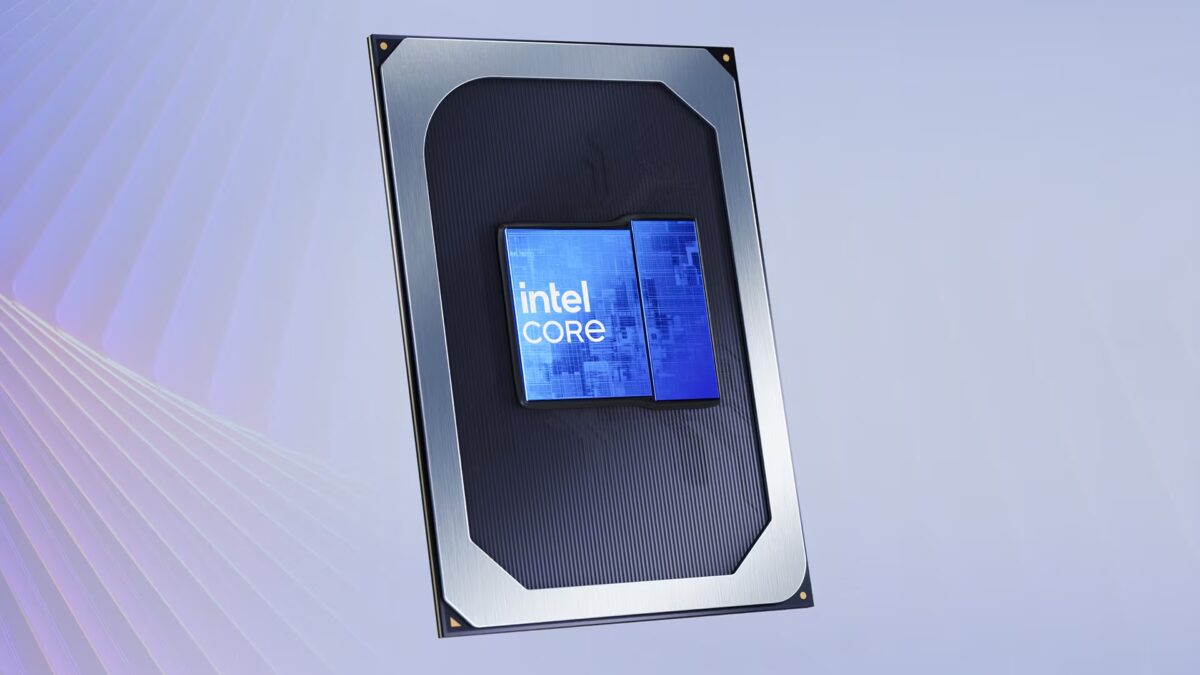
Intel is preparing two surprising Core Ultra 5 desktop processors for its upcoming Nova Lake-S lineup, according to insider Jaykihn. These midrange chips blur the line between mainstream and high-end with an unusual 22-core count and a massive 144MB last level cache. One model reportedly features a low 65W TDP, signaling Intel’s attempt to compete more aggressively against AMD’s popular X3D chips that leverage large caches to dominate gaming performance.
Core Ultra 5’s unique 22-core configuration
Both processors share the same core layout: six high-performance P-cores based on the Coyote Cove architecture, twelve energy-efficient E-cores called Arctic Wolf, and a distinct addition of four low-power LP-E cores. Variations between the two come down to power limits and overclocking capabilities. The higher-end variant is expected to be a K-series chip with a 125W TDP and an unlocked multiplier for manual overclocking, while the other will have a 65W TDP and no overclocking features.
Massive 144MB last level cache (bLLC) in Core Ultra 5
The standout feature is the enormous 144MB last level cache (bLLC), which is highly atypical for Intel’s midrange processors. This cache size mirrors what AMD offers with its Ryzen 9 7950X3D, which combines L2 and L3 caches to reach a similar total. AMD has marketed this cache-heavy design as a key advantage in gaming, and Intel’s move signals a direct challenge to AMD’s cache dominance.
Nova Lake-S platform updates and future specifications
Previous leaks have indicated that the Nova Lake-S series will include flagship chips with up to 52 cores, spread across two compute tile chiplets and offering as much as 288MB of cache. The new generation will also introduce a new LGA1954 socket, support for 900-series chipsets, and ultra-fast DDR5-8000 memory. This platform update follows shortly after the introduction of the LGA1851 socket, which may frustrate users expecting longer upgrade cycles.
Jaykihn has a strong track record, having accurately leaked benchmark results for previous Intel products like the Core Ultra 9 285K and details about the Core Ultra 200S line ahead of release. Despite this, the Core Ultra 5 details remain unconfirmed rumors but strongly suggest Intel is crafting a direct counter to AMD’s X3D-powered Ryzen processors, which have gained significant traction in gaming. Nova Lake-S is expected to launch in early 2027, which will be a key moment to assess Intel’s success in regaining desktop CPU momentum after the lukewarm market response to the Arrow Lake series.
For context, AMD’s X3D series leverages 3D-stacked cache technology to vastly increase effective cache size, improving gaming frame rates, especially at high resolutions. Intel’s bLLC approach aims to deliver similar cache benefits without adopting 3D-stacking. If the Core Ultra 5 chips meet expectations, Intel could close the performance gap in gaming while offering more efficient power consumption-a crucial factor as desktop CPUs evolve.
Watch for announcements on pricing, availability, and real-world performance benchmarks once Intel officially unveils Nova Lake-S. This launch will be critical to see if Intel’s strategy of combining high core counts and expanded cache convinces gamers and enthusiasts to return to Team Blue’s desktop ecosystem.