

Surging AI workloads have pushed data centers into a new bottleneck-not just chip shortages but a serious electricity crunch. Two Washington state startups, Helion Energy and Zap Energy, are aiming to fill that gap with nuclear power solutions tailored for hyperscale data centers. Helion plans to deliver commercial fusion energy to Microsoft by 2028, while Zap Energy is hedging its bets with both fusion and a more immediate 10-megawatt microreactor based on fission technology. Both startups are competing to supply the booming AI infrastructure market, where electricity demand is outpacing the grid’s expansion.
Helion Energy’s approach to fusion power for data centers
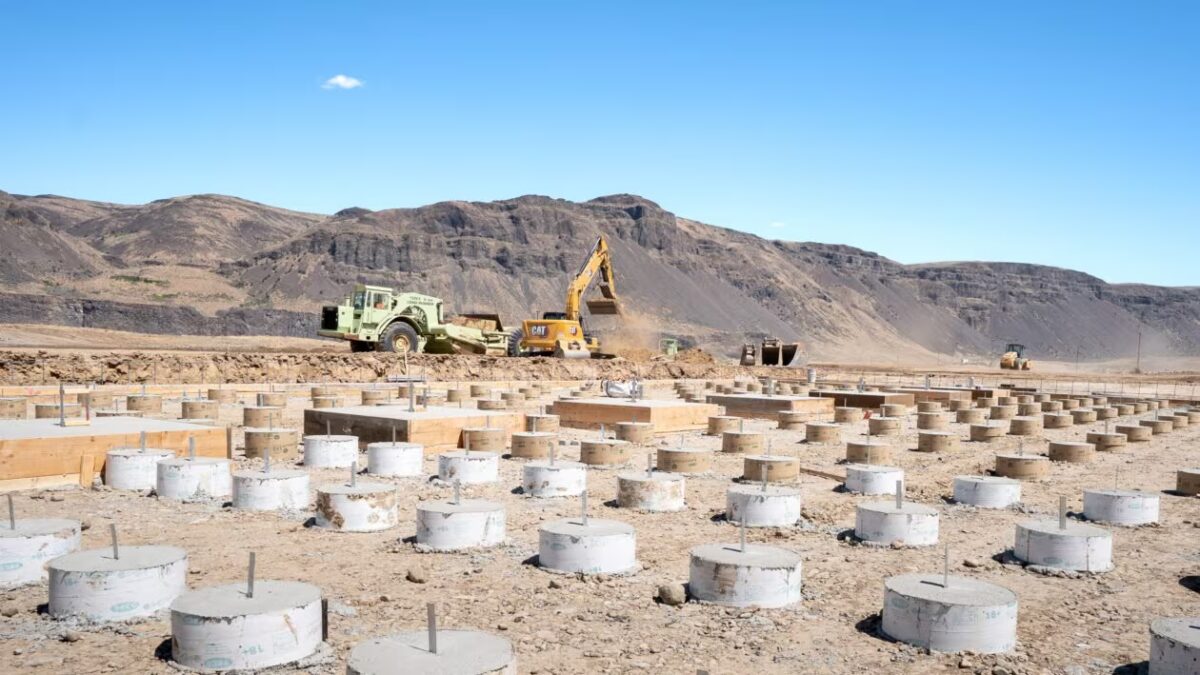
Helion has positioned itself as a leading player among fusion startups with a direct deal to supply Microsoft’s data centers. Their centerpiece is the Orion project, a 50-megawatt fusion plant currently under construction in central Washington state. Reportedly costing around $1.5 billion, Helion aims to start commercial operation by 2028. Their method uses magnetic compression: plasma is accelerated to extreme speeds, then squeezed by magnetic fields to trigger fusion. Notably, Helion plans to convert the released energy directly into electricity-sidestepping turbines and steam cycles common in traditional power plants.
Alongside Orion, Helion maintains a smaller experimental setup called Tiny Merge, which could expedite testing and serve as a fallback if Orion’s timeline slips. This dual-track approach highlights the high-risk, high-reward nature of fusion development.
Zap Energy’s fusion technology and microreactor development
Zap Energy takes a different approach to fusion physics. Backed by around $330 million in funding and support from the U.S. Department of Energy, Zap’s design uses a Z-pinch method. It compresses plasma with a powerful electric current that self-generates the confining magnetic field. On paper, this promises a simpler, more compact, and potentially cheaper fusion reactor than conventional magnetic confinement systems favored by competitors.
What sets Zap apart is its parallel push to commercialize a 10-megawatt microreactor based on modified fission designs from Toshiba. This hybrid model treats fusion as a longer-term goal while deploying fission microreactors to bring earlier revenue and deliver a tangible product. In the fusion startup world, this candid admission-that breakthrough science alone won’t convince energy customers-is unusual.
Nuclear energy solutions for AI data center power demands
Demand for electricity from AI workloads is set to skyrocket, driving Big Tech’s renewed interest in nuclear energy. The International Energy Agency estimates global data center electricity use could more than double by 2030, with AI causing a significant portion of that spike. For tech giants like Microsoft, Google, and Amazon, the challenge is immediate: in some U.S. regions, new data centers are stuck waiting years for grid connections, stalling critical AI projects.
Microsoft is far from alone in seeking nuclear solutions. Google partnered with Commonwealth Fusion Systems in 2024, while both Google and Amazon have invested in small modular reactors and long-term carbon-free energy contracts. The shared logic is clear: AI training demands reliable, weather-independent power sources that can keep pace without waiting on regional grid upgrades.
Unfortunately, commercial fusion faces the persistent ”always 20 years away” cliché. According to the Fusion Industry Association, over 50 private firms are chasing fusion breakthroughs with billions in private funding. Yet even the top players-from Commonwealth Fusion Systems to General Fusion-have yet to deliver fusion plants that supply steady electricity to commercial grids.
Zap Energy’s strategy to pair fusion with fission microreactors is more pragmatic. While fission microreactors have not yet reached mass adoption, their physics is well understood, and U.S. regulatory frameworks are emerging. If these reactors can be sited near data centers, they could serve as a real-world interim solution to meet power needs before fusion becomes commercially viable.
Helion’s immediate challenge is executing on Orion’s ambitious timeline and turning its Microsoft power purchase agreement into reality rather than just a promise. Zap, meanwhile, must balance its costly fusion ambitions alongside developing its microreactor project without spreading resources too thin. The answers to these tough strategic choices could unfold in the next two to three years-just as AI data centers require gigawatts of dependable power rather than hopeful concepts.
Looking ahead, these early moves by Helion and Zap highlight a growing tension in AI infrastructure: the race is not just about faster chips or better algorithms, but fundamentally about securing new, reliable energy sources. Whether fusion or advanced fission microreactors will fill that gap remains a high-stakes bet that will shape the future of cloud computing and AI deployment globally.