

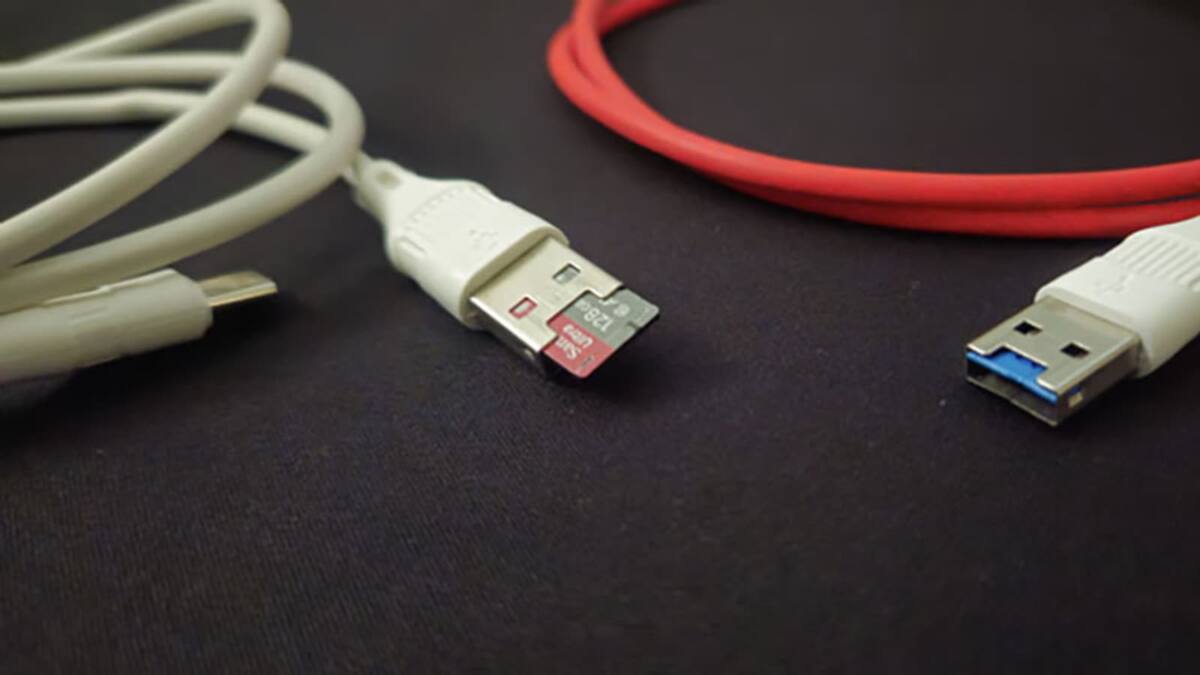
A tiny startup has turned a USB cable into a pocket-sized penetration tool, and the pitch is almost offensively simple: plug it in, then let the cable do the rest. Little Gadgets has launched Hacknect on Kickstarter, where the device has already pulled in $16,000 against a $1,160 goal, with 21 days still left in the campaign. Backers can get one for 70 euros.
That price is what makes the Hacknect USB cable interesting. The better-known O.MG cable has long been the reference point in this niche, but it has also lived in the pricier, specialist corner of the market. Hacknect is trying to make the same category feel less exotic and more accessible, which is exactly the sort of thing that makes security teams uneasy and gadget collectors very curious.
What is inside Hacknect
On the hardware side, Hacknect hides an ESP32-S3 microcontroller, a microSD card slot, plus Wi-Fi 2.4 GHz and Bluetooth 5 LE modules. The company says the electronics sit inside the USB Type-A end, which is slightly bulkier than Type-C, but still normal-looking enough to avoid the usual ”why does that cable have shoulders?” reaction.
It also works as a regular charging and data cable, which is the whole trick. A cable that looks harmless and functions normally is a better delivery vehicle than one that screams ”security demo” from across the room.
Browser control and attack features
Hacknect is managed entirely through a browser interface from a phone or computer. The advertised toolkit includes keystroke injection through HID emulation, mouse injection for automated pointer control, payload storage on the device, wireless triggers, one-click payload deployment, and a self-destruct mode that wipes saved data and scripts.
- Keystroke injection for automated keyboard commands
- Mouse injection for scripted cursor actions
- Payload slots for multiple scripts stored on-device
- Wi-Fi triggers for remote activation
- Self-destruct mode for quick data deletion
Shipping timeline and security questions
Little Gadgets says the first batches are due to ship in August. That puts Hacknect in the same awkward but growing class of dual-use hardware that security researchers can admire and defenders have to plan for. The uncomfortable truth is that the cheaper and easier these tools become to buy, the less they stay in the hands of experts.
Expect the real debate to be less about the cable itself and more about distribution. Kickstarter has already proven there is demand; the next question is whether low-cost, plug-and-play attack hardware becomes a niche curiosity or the new default for anyone who wants to turn a USB port into a problem.