

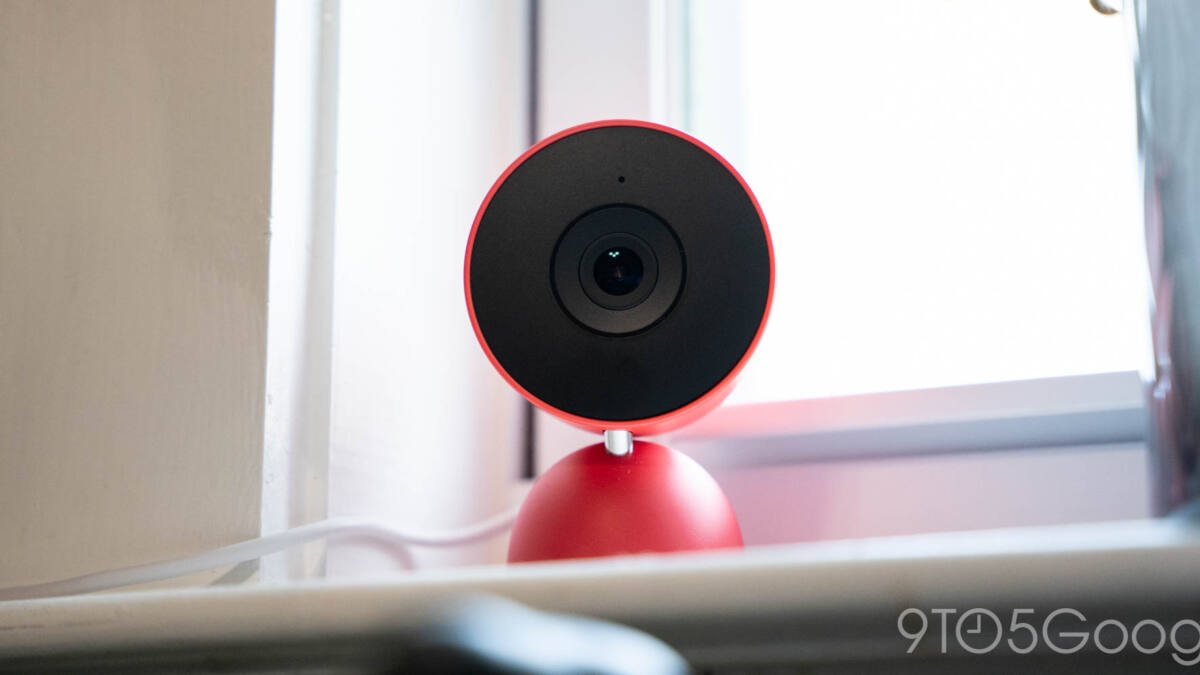
Google is finally taking another swing at Nest Cam ”Familiar Faces” in Google Home, with two small but sensible changes meant to make the feature less embarrassing. The company is adding thumbs up/down feedback and pruning low-quality face samples from the library, which sounds modest because it is – but after years of misfires, modest is an upgrade.
Since the 2021 reboot of Nest hardware, Familiar Faces has been one of the main reasons to buy into Google’s modern camera lineup. In theory, the system should identify people at the door quickly and accurately; in practice, it has often mixed up regular visitors, missed obvious matches, and turned routine alerts into a guessing game. If a smart camera can’t reliably tell one face from another, the ”smart” part starts to look decorative.
Two changes for Familiar Faces
Google says the first change is a new feedback tool that lets users mark recognition results as right or wrong with a thumbs up or thumbs down. The company says that, over time, those signals should improve familiar face detection when alerts are sent.
The second change targets the face library itself. Google says it will automatically exclude ”blurry, ghosted, non-frontal, or small faces” so the reference library stays cleaner and easier to manage when you go back in to fix mistakes manually. That is the sort of cleanup that probably should have existed from day one, but here we are.
A fix with a very low bar
Neither tweak sounds dramatic, and that may be the most honest part of this whole story. Google has had years to get Familiar Faces right, while rivals in home security have spent the same period leaning harder into AI-assisted identity, package detection, and smarter alert filtering. Even modest improvements matter here because false confidence is worse than no feature at all – especially when cameras are watching the front door.
If these changes work, they should at least reduce the amount of babysitting required from Nest Cam owners who have been resetting face libraries and correcting bad matches for ages. If they do not, the feature will stay what it has been for many users: a neat demo with a reliability problem that keeps showing up at the worst possible moment.
What Google still needs to prove
The real test is whether the new feedback loop improves recognition fast enough to matter in daily use. Google says the changes will help over time, which is corporate language for ”don’t expect miracles on Tuesday.” The better question is whether Nest Cam owners will finally stop doing Google’s cleanup work for it.