

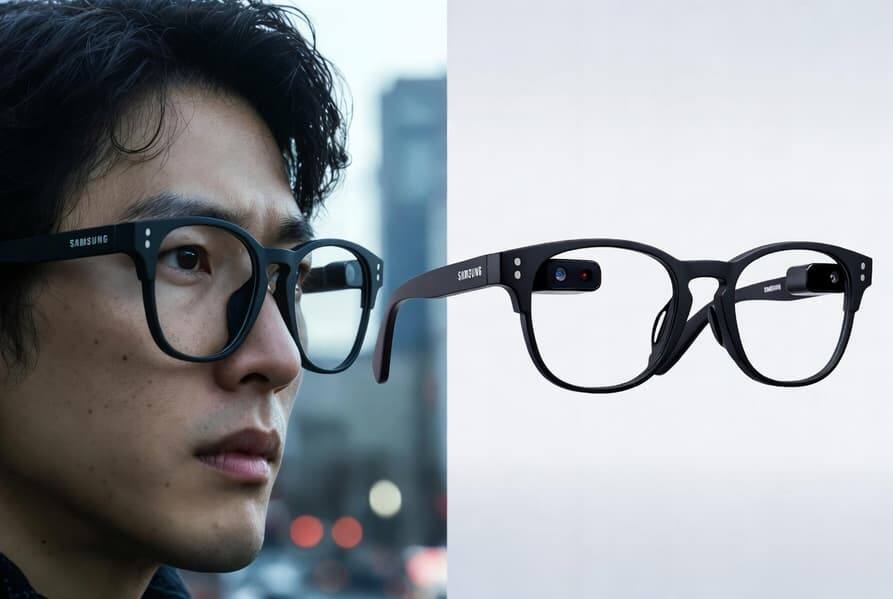
Samsung is preparing a busy Galaxy Unpacked on 22 July, with the Galaxy Z Fold8 and Galaxy Z Flip8 expected to share the stage with its first AI-powered smart glasses, Galaxy Glasses. The glasses are said to run Android XR with Gemini, while the foldables could land just weeks before Apple’s first foldable iPhone. That is not subtle positioning; it is a timing punch.
What Samsung is expected to announce
According to Seoul Economic Daily, Samsung’s lineup for the event includes the Galaxy Z Fold8 and Galaxy Z Flip8, alongside the new Galaxy Glasses. If that report holds, Samsung is trying to make one presentation do two jobs: refresh its premium phone business and push a still-nascent wearable category into the mainstream.
That strategy makes sense. Foldables are no longer novelty hardware, so Samsung needs more than a hinge and a bigger screen to keep attention. Pairing them with a fresh AI product gives the company a cleaner story: Samsung devices as one connected system rather than separate gadgets fighting for shelf space.
Galaxy Glasses specs and AI features
The glasses are being developed with Gentle Monster, a collaboration that suggests Samsung wants style to do some of the heavy lifting that the product category alone cannot. Hardware details are modest but telling: cameras, microphones, and speakers are reportedly included, while a display is not.
- Platform: Android XR
- AI integration: Gemini
- Hardware: cameras, microphones, speakers
- Display: none
That no-screen choice is smart, if slightly less glamorous than the term ”smart glasses” suggests. It points to a device aimed at live analysis, voice interaction, and camera-based assistance rather than a full augmented-reality experience, which is where wearables tend to get expensive fast and useful slowly.
Samsung versus Apple in wearables
Samsung is also leaning harder into SmartThings and Galaxy phone integration, which is the sort of ecosystem move that can quietly matter more than any single feature. If the glasses can plug neatly into the rest of Samsung’s hardware, they become less of a curiosity and more of a habit.
Apple remains the obvious shadow over all of this. The company is also working on smart glasses, but the reports around its timetable point to a later arrival, with 2027 mentioned for its own pair. That gives Samsung a window to define the category before Apple shows up with the usual polished version and a much louder marketing budget.
For Samsung, the bigger question is not whether it can launch the glasses, but whether people will actually wear them outside a demo room. If the company can make the software feel useful and the design feel normal, this could be the first meaningful step toward glasses that do more than look like a futuristic apology.