

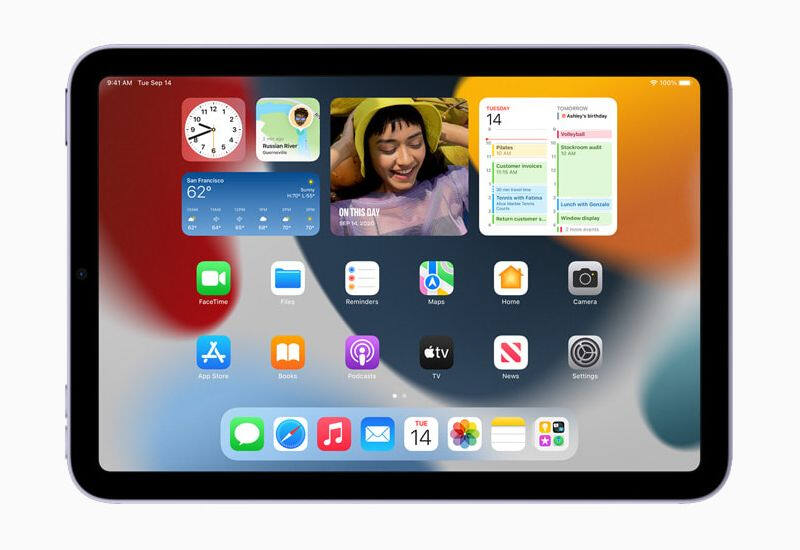
Apple’s first foldable iPhone is shaping up to be less of a generic book-style foldable and more of a tiny tablet that happens to close shut. If the current leaks are right, the phone may launch as ”iPhone Ultra,” fold into a relatively short handset, and open into something that feels closer to an iPad mini than to today’s iPhone line.
That design choice is the interesting part. Most foldables chase compactness or screen bragging rights; Apple appears to be betting on a familiar tablet-like layout that could make multitasking and video viewing feel more natural, while also giving developers a clearer target than some of the awkward aspect ratios Android foldables have used for years. Here’s what the rumored foldable iPhone could look like.
iPhone Ultra screen sizes and layout
According to the reports cited in the source, the outer display would measure between 5.3 and 5.5 inches, with a shorter height than current iPhones. Open it up, and the inner panel is said to land between 7.6 and 7.8 inches, which is why the iPad mini comparison keeps coming up.
Apple would also keep the software on standard iOS rather than iPadOS, but the interface is expected to change enough to take advantage of the larger screen. One detail that stands out: iOS apps may gain the ability to show two active apps at once, plus a floating panel along the left edge, a very Apple way of doing foldables without admitting it has built a tablet.
- Outer display: 5.3 to 5.5 inches
- Inner display: 7.6 to 7.8 inches
- Base storage: 256 GB
- Memory: 12 GB LPDDR5
Camera, biometrics and missing Face ID
The front of the outer screen is expected to use a circular cutout for the camera, while Dynamic Island would survive the transition. Face ID, however, reportedly will not fit because of thickness constraints, so Apple would move the fingerprint reader into the side button instead.
On the back, the device is said to carry just two cameras, both 48 megapixels, including an ultrawide unit. That is not exactly a camera-spec circus, but it is consistent with Apple’s habit of trimming hardware where the software story can do some of the heavy lifting.
A $1,999 starting price for Apple’s foldable iPhone
The rumored starting price is $1,999 for the 256 GB model, which puts the foldable squarely in luxury territory even by Apple standards. The chip and modem are also expected to be familiar names from the iPhone 18 Pro lineup: A20 Pro and C2.
That pricing tells you where Apple thinks this product belongs: not as a mass-market iPhone replacement, but as a premium proof point that could pull buyers away from Samsung’s Galaxy Z Fold line and other high-end foldables. If Apple gets the software polish right, the company may not need to be first; it just needs to make the category look inevitable.
iPad mini comparison for Apple’s foldable strategy
The iPad mini angle may be the smartest part of the whole idea. A foldable that opens into a familiar small-tablet shape is easier to explain, easier to design for, and easier to sell than another oddly stretched screen that makes apps look confused.
That also leaves Apple with a clean next step if the device lands well: refine the hinge, shave the thickness, and eventually bring more of the iPad-like interface tricks into the rest of iOS. The bigger question is whether users will pay nearly $2,000 for a phone that doubles as a mini tablet, or whether Apple is just planting a flag for the next hardware cycle.