

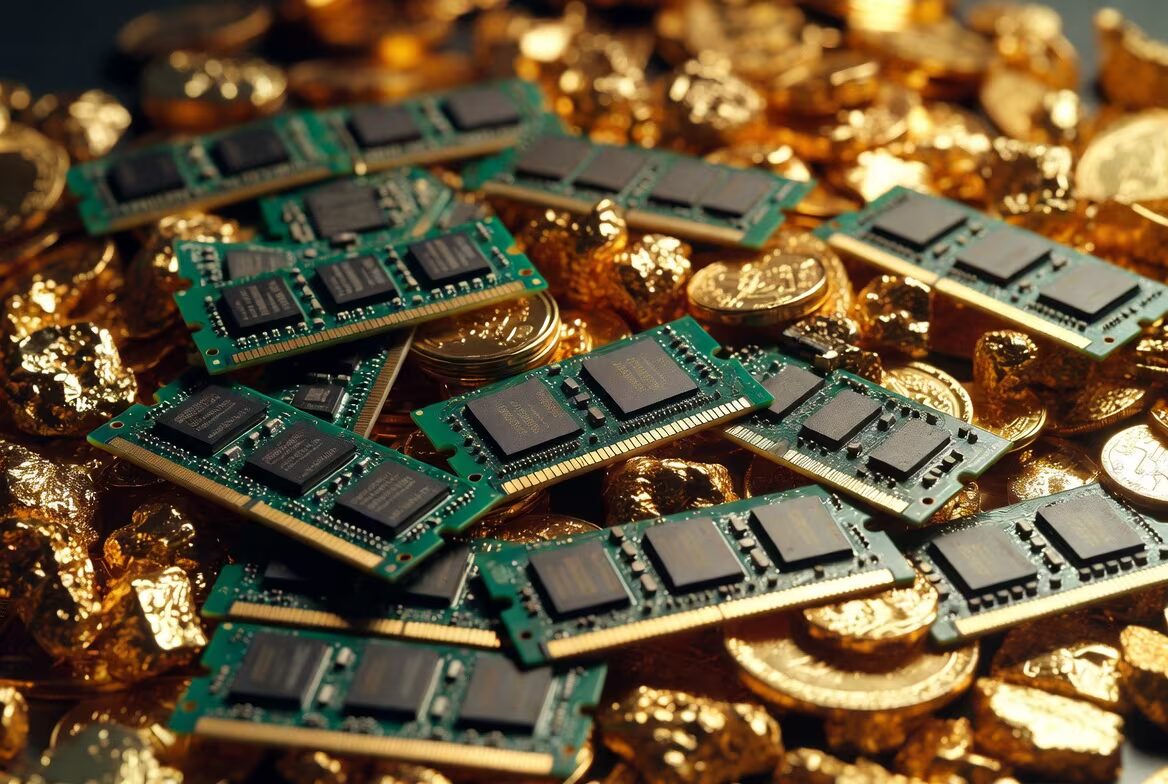
DRAM prices are expected to climb another 13-18% in Q3 2026, according to TrendForce, though the pace is cooling compared to the roughly 60% surge last quarter. NAND prices will see a 10-15% increase. After such a sharp jump, this slowdown signals the memory market is hitting demand constraints rather than supply easing.
The real story isn’t the numbers themselves but what’s driving the slowdown. TrendForce points to electronics manufacturers having mostly exhausted their buffer stocks. For months, they either absorbed rising costs or passed them on cautiously to consumers. Now, both strategies are faltering: slimmed-down margins and end users unwilling to accept another wave of price hikes.
This is where the memory market runs into a wall. Prices keep rising, but pushing them higher indefinitely is no longer viable. Retail prices haven’t fully reflected this yet because current inventory largely depends on components bought under older, cheaper contracts. However, upcoming smartphone, laptop, and SSD shipments will incorporate pricier memory, making further consumer electronics price increases likely in the coming months.
DRAM and NAND price increases in Q3 2026
- DRAM prices: increase by 13-18%
- NAND prices: increase by 10-15%
Production shifts by major memory manufacturers
Samsung, SK hynix, and Micron have been trimming production of some commodity memory chips, shifting capacity toward pricier segments like HBM for AI accelerators. Meanwhile, the global smartphone market grew about 4% in 2025 (Counterpoint), and the PC market added a modest 1-2% (IDC). Demand for consumer gadgets is lagging behind the steep rise in memory costs inside those devices.
Challenges for device makers amid rising memory costs
For device makers, this is a tough crossroads. The industry faced a similar cycle in 2017-2018 when memory shortages pushed SSD and laptop prices up, only for demand to cool soon after. If history repeats, the market’s response will become clear by the end of Q3 2026. Buyers will either accept the new price tags, or memory suppliers will have to slow their price hikes even more aggressively than TrendForce currently forecasts.