

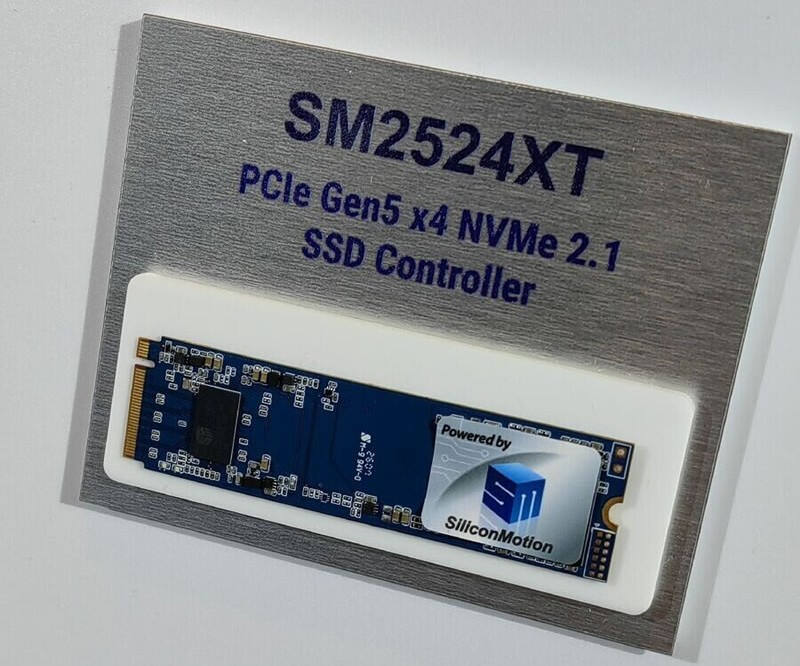
The consumer SSD aisle is getting thinner by the quarter, and Silicon Motion says the reason is brutally simple: NAND is being pulled away from retail SSDs and toward PCs and data centers. At Computex 2026, company executive Nelson Duann described the retail SSD market as effectively gone in the first half of 2026, with more controller shipments now ending up inside prebuilt systems from Acer, Asus, Dell, and HP than on store shelves.
That is bad news for enthusiasts who still want to buy a drive and slot it in themselves, but it is also a neat little reminder that storage shortages rarely hit everyone equally. When NAND gets tight, the market usually protects the biggest customers first, and right now that means OEM PC makers and server buyers, not the person browsing SSD reviews for the best bargain.
Why ODM SSDs are feeding PC makers
Duann said Silicon Motion is still selling plenty of SSD controllers to ODMs such as Powertech Technology and Biwin, but the destination of those drives has changed. Instead of being built mainly for retail brands like Kingston, they are increasingly going straight into finished PCs because manufacturers cannot get enough NAND chips directly from memory makers. In other words, the same supply chain still exists – it is just being rerouted upstream.
This shift also explains why ODMs, long known for making client SSDs with stronger cooling and performance tuning, are now more visible in mainstream notebooks and desktops. The retail channel is not disappearing because buyers stopped wanting SSDs; it is shrinking because the parts are going where the money and volume are.
NAND is following the AI money
The bigger force here is the same one distorting memory and storage markets everywhere: data centers. NAND suppliers have shifted much of their output toward AI infrastructure and server systems, leaving less for client PCs and retail storage products. That is a familiar pattern in semiconductor cycles – high-margin enterprise demand tends to win, while consumer hardware gets what is left.
For independent controller makers like Phison and Silicon Motion, that mix is not a disaster. Server SSD demand is rising fast enough to offset weaker client-device sales, even if unit growth in the consumer channel looks softer. The companies selling parts to the storage industry are still making money; the people trying to buy a decent drive at retail are the ones feeling the squeeze.
What SSD buyers should expect next
- More OEM PCs shipping with SSDs sourced through ODM partners.
- Fewer retail SSD deals if NAND stays concentrated in server and AI supply chains.
- Continued strength for controller vendors with exposure to both client and enterprise storage.
If the memory makers keep prioritizing data centers, the consumer SSD market may not vanish for good, but it could stay skinny for a while. The open question is whether retailers will eventually get more supply again – or whether buying an SSD off the shelf becomes the exception rather than the default.