

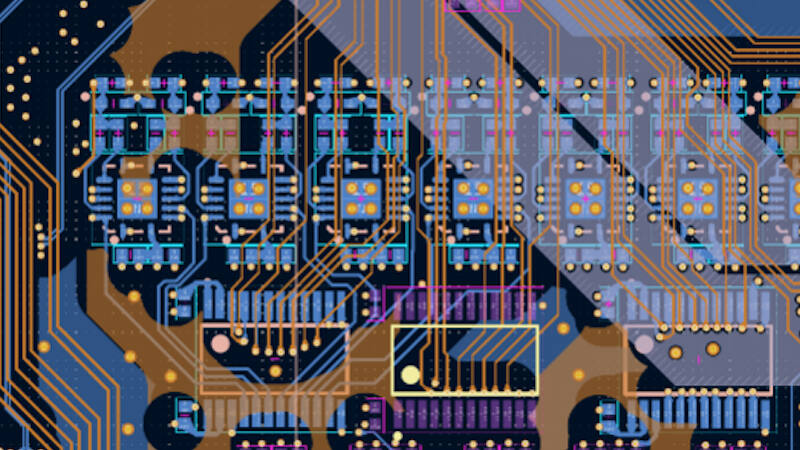
CERN has published the KiCad libraries its PCB team uses for accelerator hardware, giving outside designers access to a large set of open-source footprints and symbols. The repository is currently aimed at KiCad 9.x, with official KiCad 10.x support said to be on the way, so users should check their version before installing.
That matters because CERN is not a hobbyist lab drawing up a handful of boards in a spare room. It runs some of the most demanding electronics projects on the planet, so libraries built for that environment tend to be conservative, well-documented, and less likely to include the sort of mystery part that ruins a weekend.
KiCad 9.x support is live, KiCad 10.x is pending
The libraries are available in a GitLab repository and can be installed for KiCad 9.x today. A test install in KiCad 10.0 hit a missing JSON file error, but CERN says compatibility with 10.x is coming.
- Library source: GitLab repository
- Current target: KiCad 9.x
- KiCad 10.x: official support on the way
Why CERN’s footprint library will get attention
Open-source EDA users are already used to borrowing from the best-known ecosystems, but CERN brings a different kind of credibility: parts chosen for a facility where reliability is not a branding exercise. If the collection becomes a default install for more designers, expect CERN footprints to start appearing in the same sort of boards that usually rely on generic vendor libraries and a prayer.
The bigger shift is cultural as much as technical. Once a high-profile hardware organization publishes its internal design assets, it nudges the rest of the industry toward sharing the boring but valuable stuff instead of hoarding it behind private repositories and corporate inertia.
What designers should watch next
The obvious question is how quickly the library pack grows into a standard add-on for KiCad users, and whether CERN extends support cleanly across future releases. If the 10.x update lands without friction, this could become one of those quiet tools that saves engineers time long after the novelty of ”CERN made this” wears off.