

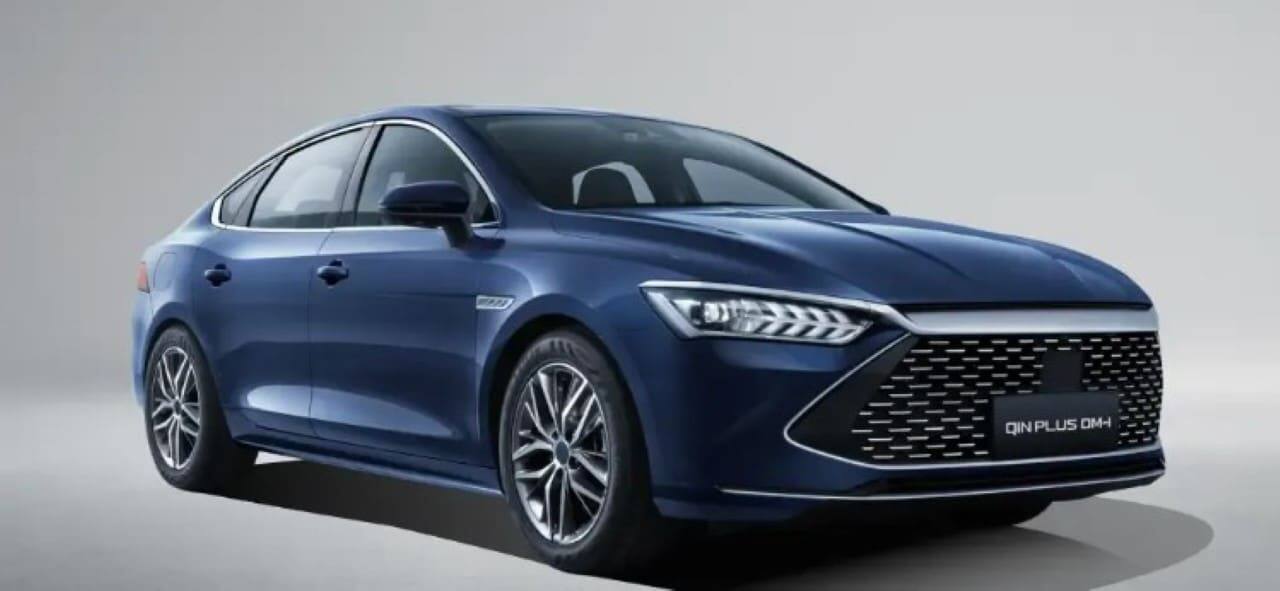
BYD has pushed the Qin Plus DM-i 2026 deeper into the fight over electrified family cars, opening sales in China with a claimed combined range of more than 2,110 kilometers and prices starting at 79,800 yuan. It is a familiar BYD playbook: use vertical integration, price aggressively, and make the plug-in hybrid look like the sensible answer for drivers who still worry about charging stops.
The BYD Qin Plus DM-i 2026 sits in the middle ground between a gasoline sedan and a full EV, which is exactly why it has an audience. In markets where charging networks are still patchy, a long-range hybrid can feel less like a compromise and more like insurance.
BYD Qin Plus DM-i 2026 prices and versions
BYD says the lineup arrives in three trims, with prices ranging from 79,800 yuan to 89,800 yuan:
- Entry trim: 79,800 yuan
- Progressive trim: 84,800 yuan
- Top trim: 89,800 yuan
The cheapest version is aimed at shorter urban trips, while the top configuration adds the full driver-assistance package. The middle Progressive trim leans more toward comfort and connectivity.
The price band keeps pressure on manufacturers that cannot match BYD’s in-house battery, semiconductor, and component supply chain.
Hybrid system, battery and range figures
Under the sheet metal, the BYD Qin Plus DM-i 2026 uses BYD’s fifth-generation hybrid system with a 1.5-liter combustion engine and an electric drivetrain. The petrol engine mainly acts as a generator, while the wheels are driven mostly by the electric motor in everyday city use.
- Electric-only range: 210 kilometers under CLTC
- Combined range: more than 2,110 kilometers
- Fuel consumption: about 2.79 liters per 100 kilometers
- Top battery capacity: 25.28 kWh
That combination is more than a brag sheet. It is BYD trying to make long-distance anxiety look old-fashioned, and it comes at a time when hybrid and range-extended cars are gaining attention as a bridge between pure combustion and fully electric mobility.
DiPilot, DiLink and the cabin tech stack
The sedan also gets BYD’s DiPilot C driver-assistance suite, which uses cameras and radar to spot pedestrians, cyclists, and other vehicles. The system can handle steering, acceleration, and braking on well-marked highways, although the driver still has to pay attention and keep hands near the wheel. Translation: it helps, but it does not want the lawyers calling.
Inside, the DiLink infotainment system centers on a 12.8-inch floating display that can rotate between portrait and landscape positions. Voice controls cover climate, navigation, and audio, while the cabin adds double glazing and sound-deadening materials to keep noise below 53 decibels at cruising speed.
Why BYD keeps squeezing rivals
BYD’s advantage is not just engineering; it is industrial control. By making more of its own critical parts, the company can keep margins intact even while cutting prices, a combination that has already forced competitors across China’s new-energy market to respond with discounts, faster product cycles, and more features for the money.
The bigger question is whether the Qin Plus DM-i becomes the default answer for buyers who want electrification without range anxiety, or whether it is just another step in BYD’s habit of using hybrids to keep one foot in the old world while the rest of the market races toward the new one.