

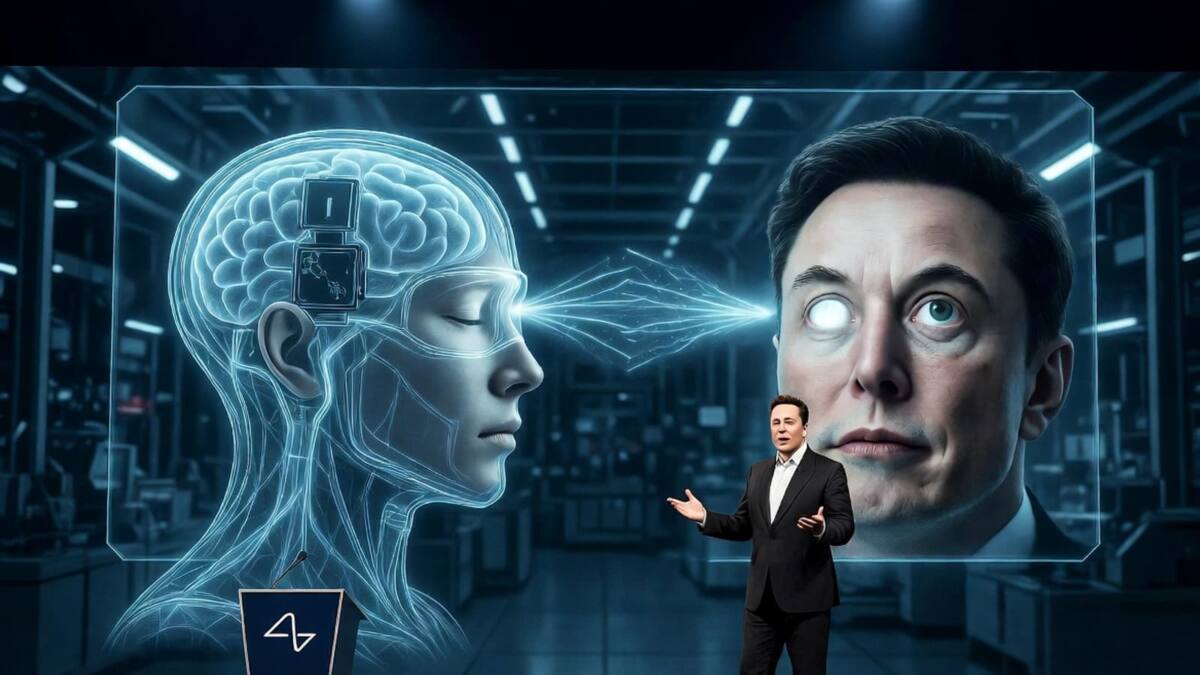
Neuralink says its Blindsight brain implant could see its first human use in the second half of 2026, with Elon Musk claiming the device may eventually restore vision even to people born blind. The pitch is bold, as usual: bypass damaged eyes and optic nerves, stimulate the visual cortex directly, and start with limited sight before aiming for something far sharper.
The company framed the announcement at the Samson International Smart Mobility Summit in Tel Aviv, where Musk also pointed to Neuralink’s earlier work helping paralyzed patients control a computer with their thoughts. That makes Blindsight less of a one-off stunt and more of a broader bet on brain-computer interfaces, a field where the real competition is not sci-fi swagger but regulators, surgery, and whether the hardware can survive contact with an actual human body.
What Blindsight is supposed to do
Blindsight is designed to sidestep broken eyes entirely. Instead of trying to repair the retina or optic nerve, the implant would send signals straight to the brain’s visual cortex, which is where vision is ultimately interpreted. Musk says that could help people who were born blind, or who lost both eyes or the optic nerve.
The first version would not deliver perfect sight. Musk described it as limited at launch, with the prospect of improving over time to something more precise – and, if the sales pitch is to be believed, maybe even beyond normal human vision. That is a lot to promise for a first implant, but it is also the kind of ambition Neuralink has built its brand on.
Where Neuralink stands now
Neuralink says more than 20 patients are already in clinical trials. The company has also received ”breakthrough device” status from the FDA for Blindsight, a regulatory designation that can speed review for technologies aimed at serious conditions. That does not mean approval is guaranteed, just that the agency sees enough potential to keep the door open.
- Planned first Blindsight implant: second half of 2026
- Target condition: blindness, including cases where eyes or the optic nerve are lost
- Current trial count: more than 20 patients
- Regulatory status: FDA ”breakthrough device”
Neuralink’s Blindsight timeline and trial status
Neuralink’s pitch is bigger than restoring sight. If a chip can help a person move a cursor, and later regain some visual input, then the same playbook could expand to paralysis, injury, and other neurological damage. That is why rivals in the brain-computer interface race are watching closely: whoever proves reliable clinical results first gets the credibility, the partnerships, and probably the next wave of funding.
The harder question is not whether the demo sounds futuristic. It is whether the first patients in 2026 will get something useful enough to matter, or just a thin slice of vision wrapped in very loud rhetoric. Neuralink has a habit of talking like the future arrived early; the medical evidence will have to do the less glamorous job of proving it.