

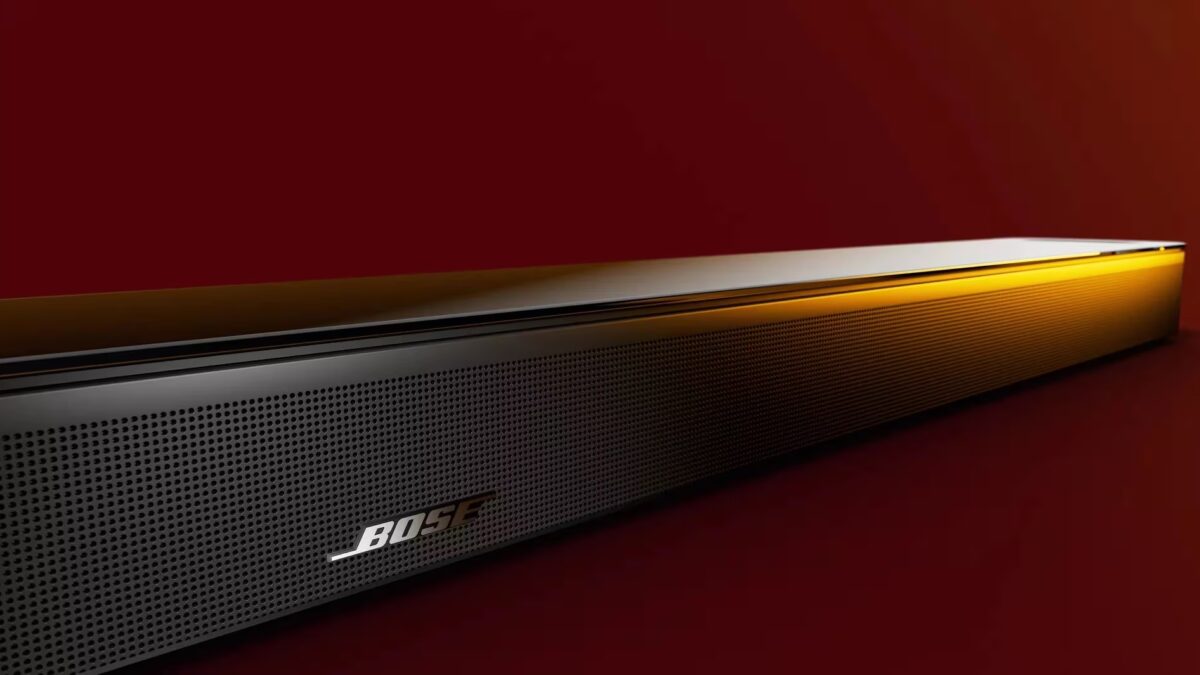
Dolby Atmos has become the must-have feature for soundbar shoppers looking for immersive audio. Unlike traditional surround sound, Dolby Atmos adds a vertical dimension, placing sounds not just around you but above you, creating a more three-dimensional experience. What once demanded pricey AV receivers and multi-speaker setups is now available in sleek, affordable soundbars that are simpler to set up-although they still can’t fully replace dedicated multi-speaker systems.
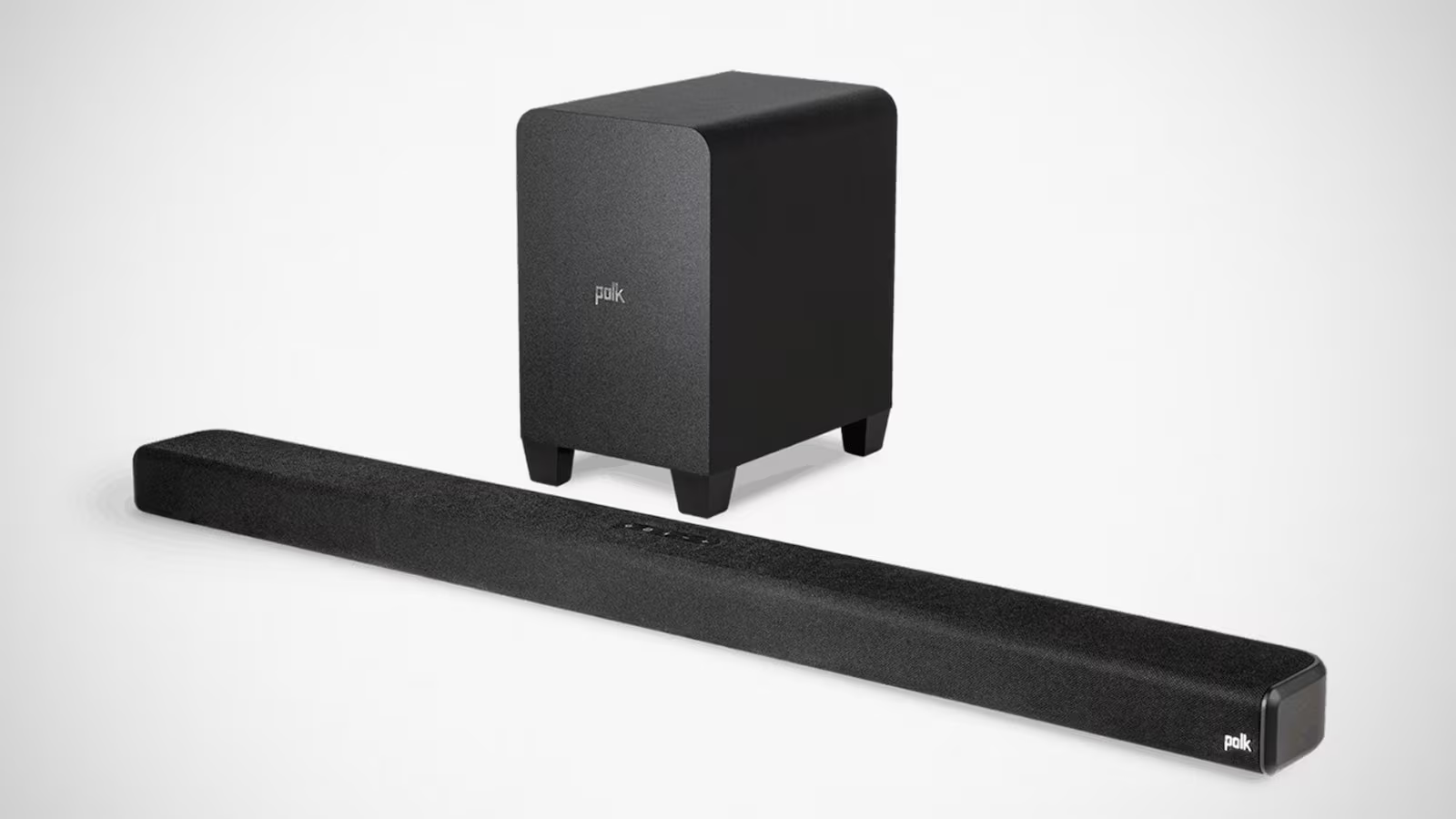
Polk Signa S4: best Dolby Atmos soundbar under $500
Pros: dynamic sound, dedicated height channels for Dolby Atmos, flexible sound settings.
Cons: lacks Wi-Fi, no individual volume control for height speakers, no support for rear surround speakers.
The Polk Signa S4 stands out as the most budget-friendly Dolby Atmos soundbar on the market, without cutting corners on sound quality. It’s a 3.1.2-channel setup, featuring a wireless subwoofer and discrete upward-firing drivers to deliver that coveted overhead audio effect. It handles Dolby Atmos soundtracks and music with convincing clarity, making it an ideal pick for anyone watching their budget but wanting authentic Atmos immersion.
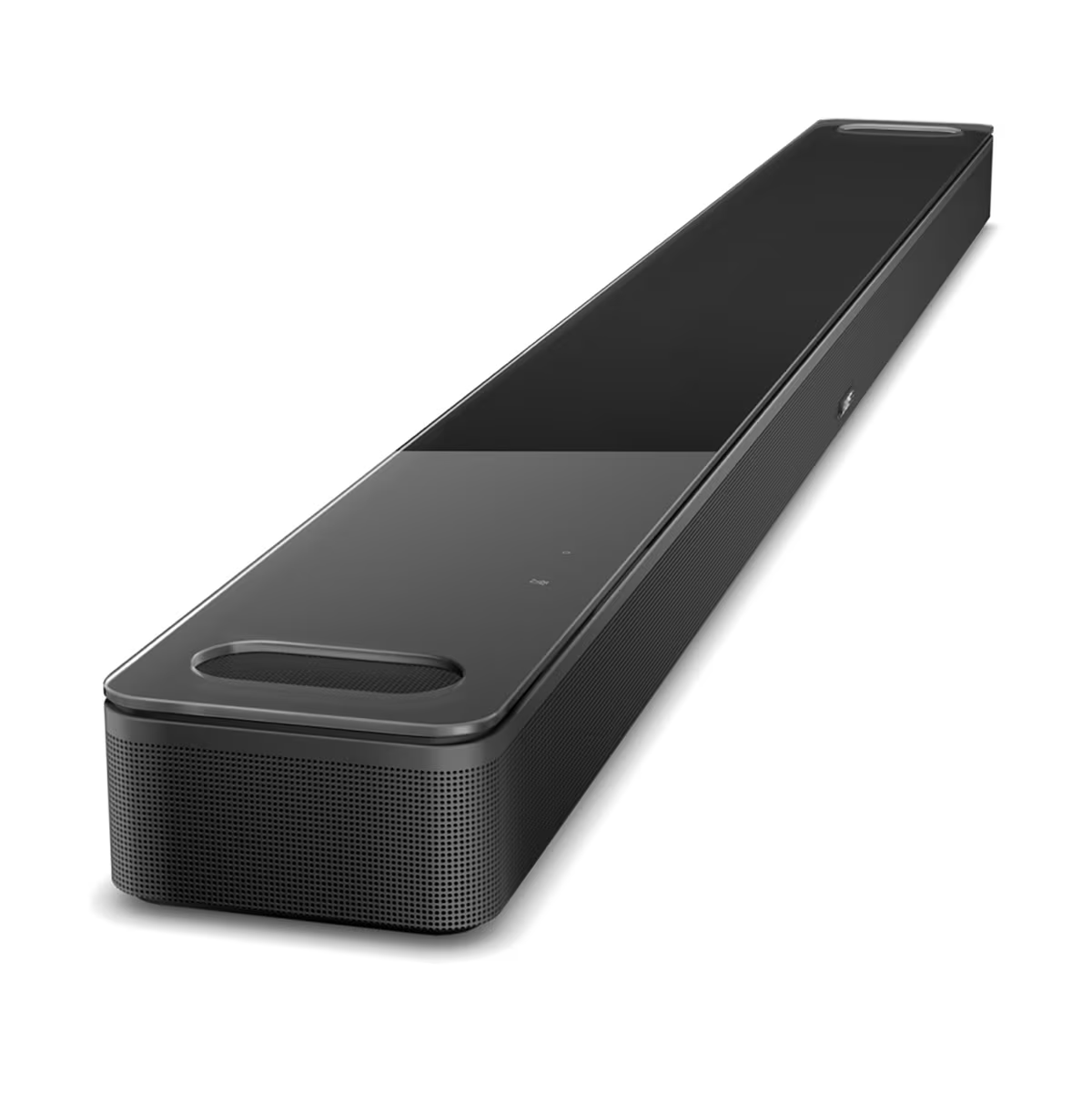
Bose Smart Ultra Soundbar: top single-piece Dolby Atmos soundbar under $1,000
Pros: excellent performance for movies and music, stylish design.
Cons: streaming ecosystem weaker than Sonos, slightly pricier than rivals, Google Assistant no longer included.
If you want the best single-panel Dolby Atmos soundbar under $1,000, the Bose Smart Ultra Soundbar is a solid pick. It delivers clear cinematic soundtracks and a pleasing musical experience, packaged in a sleek exterior that fits effortlessly into modern living rooms. Note that this model has been succeeded by the Lifestyle Ultra, which breaks compatibility with accessories from earlier Bose models-something to factor in if you’re upgrading.
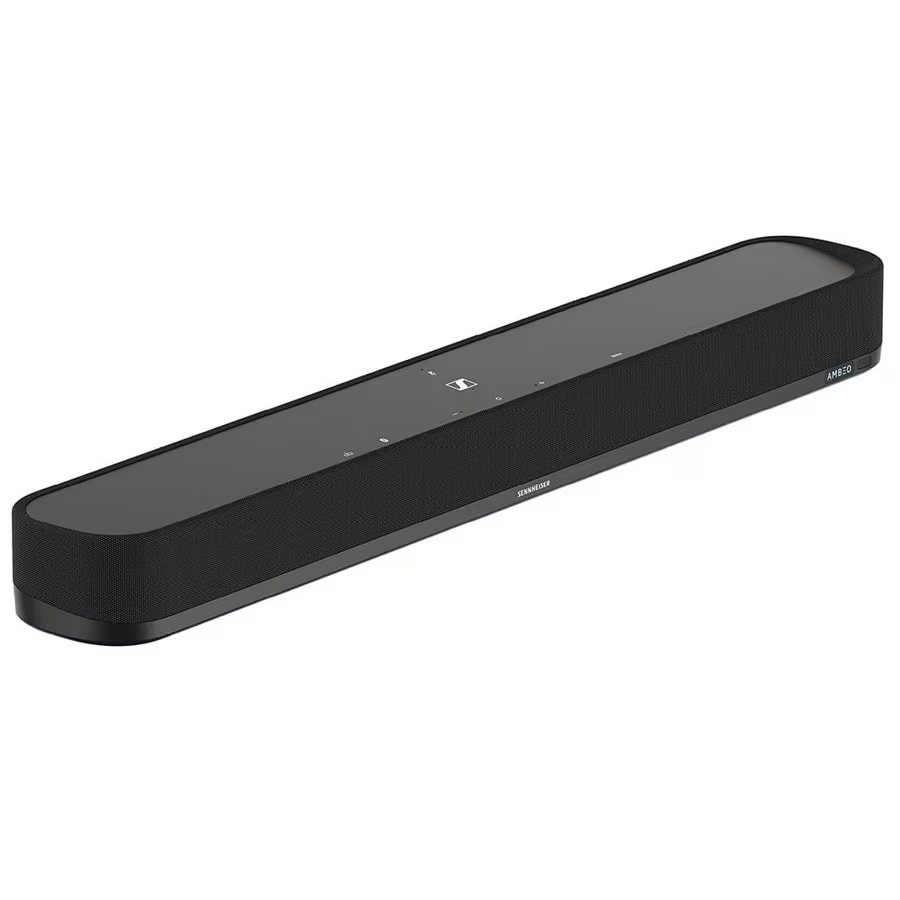
Sennheiser Ambeo: audiophile-level Dolby Atmos immersive soundbar
Pros: unmatched immersive audio among single soundbars, realistic 3D soundstage, extensive connectivity, rich bass without a separate subwoofer.
Cons: steep price, music can sound harsh at high volumes, bulky size.
The Sennheiser Ambeo targets enthusiasts who demand a home theater experience with audiophile-grade Dolby Atmos sound in a standalone package-and are willing to pay for it. Its immersive presence is among the best you can get from a single soundbar, with impressively convincing three-dimensional spatialization. Built-in Chromecast and Bluetooth make streaming easy, and the lack of a separate subwoofer isn’t missed thanks to deep, punchy bass that fits apartment living well.
How Dolby Atmos differs from traditional surround sound
Standard surround sound places audio around you-in front, behind, and to the sides. Dolby Atmos adds height channels, turning the soundscape into a dome that includes overhead sounds. This makes scenes more vivid: raindrops from above, helicopters soaring overhead, or objects falling create a sense of true spatial presence that traditional surround setups can’t match.
Do you need special gear to enjoy Dolby Atmos?
To enjoy full Dolby Atmos, your source device-streaming box, Blu-ray player, or media streamer-must support the format and send it via HDMI eARC or, less ideally, optical cables. Most modern TVs and streaming devices offer Atmos compatibility, but it’s wise to check before buying to avoid disappointment.
Physical height drivers vs virtual Dolby Atmos emulation
Most experts agree that Dolby Atmos soundbars with real upward-firing speakers position sound more precisely than virtual Atmos solutions found in budget models like the Sonos Beam Gen 2. Virtual height effects are decent but can’t fully replicate the three-dimensional space created by real drivers. If immersive audio is your priority, the extra cost is usually worth it.
Can Dolby Atmos soundbars work with older TVs lacking HDMI eARC?
Yes, but with compromises. Optical cables don’t have enough bandwidth to carry true Dolby Atmos audio, so soundbars will default to ordinary surround sound. To unlock full Atmos capabilities, a TV with HDMI ARC or eARC ports is necessary.
What to consider when buying a Dolby Atmos soundbar
Price. Dolby Atmos soundbars have become more affordable over the last few years, with solid options now available around $400. However, adding full Dolby Atmos support typically adds up to $300 on top of a standard soundbar’s price. Budget remains a primary factor for many buyers.
Compatibility and Dolby Atmos support. Not all Atmos soundbars are equal. Some only decode Atmos signals without physically reproducing height effects, usually lower-cost models. Others feature dedicated upward-firing speakers that create a true 3D soundspace. Virtual height simulation sounds good but doesn’t match the precision of physical height drivers.
Wireless streaming options. Before choosing a soundbar, think about your music listening habits. Bluetooth is simple and universal, but Wi-Fi offers more features: multi-room audio, integration with Spotify Connect, Apple AirPlay 2, and voice assistants. The broader the connectivity, the better the value.
Voice assistants. Many Dolby Atmos soundbars support Amazon Alexa natively. Google Assistant and Siri often work through connected devices. Voice control lets you adjust volume hands-free and even operate smart home gadgets-like dimming lights or closing curtains. Privacy-minded buyers should opt for models that allow mic muting.
HDMI connectivity. A soundbar in 2026 should have at least one HDMI input, preferably more, to handle multiple devices like gaming consoles and media players. Some compact models rely solely on optical output, but that limits functionality and future-proofing.
Subwoofers and surround speakers. A standalone soundbar fits small spaces and cuts down on clutter. But a full home theater experience benefits from adding a subwoofer, which boosts bass depth and power. Most Dolby Atmos soundbar systems now use wireless subs for easier placement. Rear speakers are less common but add extra immersion if you want the full multi-speaker setup.
As Dolby Atmos becomes a standard feature in midrange and high-end soundbars, expect manufacturers to push better hardware and smarter software integration. Key battlegrounds include improving virtual height effects and making multiroom wireless setups more seamless. The question now isn’t if your next soundbar should support Dolby Atmos, but which one will deliver the best experience for your space and budget.