

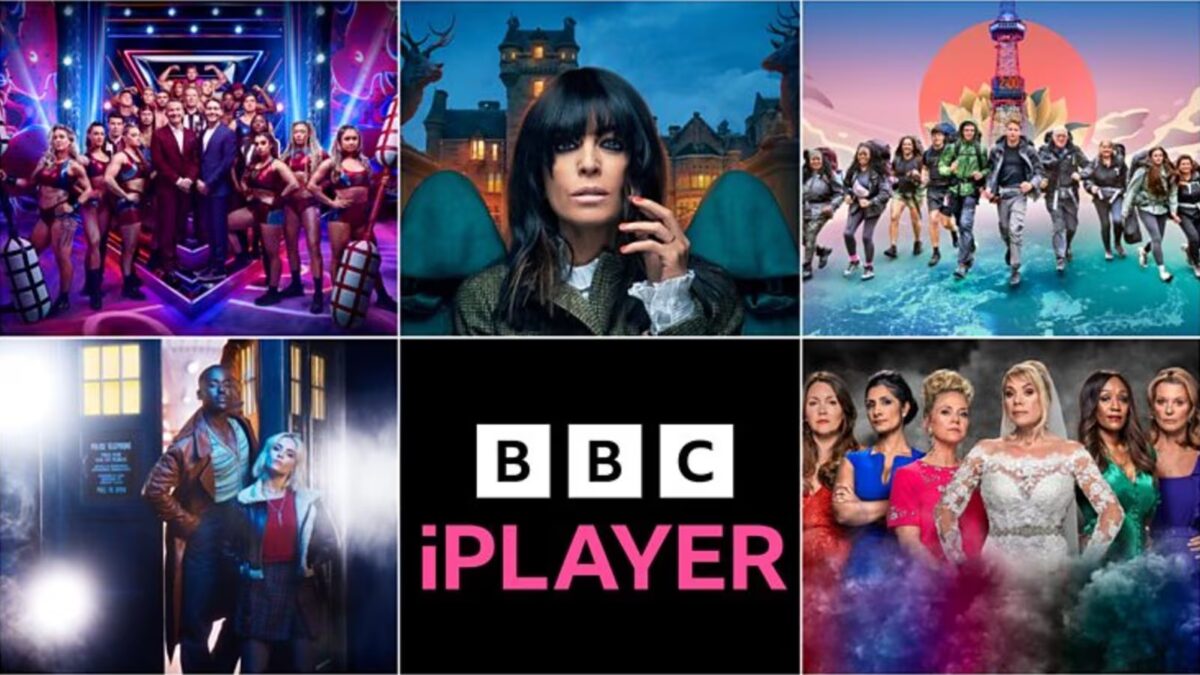
The BBC and Channel 4 have revived talks about creating a joint streaming service to take on global giants like Netflix, YouTube, and TikTok. According to the Financial Times, early discussions are underway, with options ranging from a full platform merger to something more modest-such as migrating some of Channel 4’s catalog onto BBC iPlayer. The driving force: British broadcasters are keen to stop losing viewers to international streaming and short-form video platforms.
BBC’s new director general, Matt Brittin, has confirmed to the UK government that negotiations with Channel 4 are indeed happening. He emphasized these talks are at a very early stage and that any agreement would require untangling a complex web of commercial, technical, and editorial challenges. Beyond content and cost-sharing, the broadcasters must figure out how to reconcile two distinct public service models-each with its own funding mechanisms and strategic goals.
In the UK, this concept is framed as a ”sovereign platform” for British video content: a centralized hub for British dramas, entertainment, and archives designed to keep the audience from scattering across several weaker national services. The BBC already has iPlayer, and Channel 4 maintains its own streaming app. But both are struggling to compete against the endless stream of short clips and global subscription platforms that dominate viewer attention worldwide.
This push to scale up isn’t without reason. UK regulator Ofcom reports that YouTube surpasses traditional broadcasters in viewing time among young people, while Netflix has become a primary gateway for UK audiences to access series and movies. Against this backdrop, national platforms risk fading into obscurity even if they offer strong catalogs and familiar brands.
Past attempts to combine BBC and Channel 4 streaming services
The idea of merging UK public broadcasters’ streaming efforts isn’t new. Back in 2007, BBC, Channel 4, and ITV tried to launch Project Kangaroo-a ”British Netflix” offering a large content archive from all three. Regulators nixed the plan, seeing the combined platform as potentially anti-competitive in the nascent on-demand market.
A decade later, BBC and ITV introduced BritBox, first targeting international viewers before expanding to the UK. Yet BritBox never became the national competitor to Netflix it aspired to be. Growth lagged, ITV restructured its operations, and by 2024 ITV withdrew its content to focus on its branded service, ITVX.
So, while the current talks make strategic sense, they’re tinged with irony. The streaming market has drastically evolved since 2007-UK broadcasters have their own apps, ad models, and content libraries in place. However, deep-rooted hurdles remain. Regulators remain wary of media consolidations, and a shared goal doesn’t magically align the broadcasters’ differing interests.
All this comes amid wider upheaval in the UK TV industry, where big players scramble for broader reach and advertising revenue. The BBC-Channel 4 partnership fits a broader European pattern where local media companies combine forces-sharing technology, catalogs, and ad sales-to avoid becoming mere content suppliers for dominant foreign platforms.
The real challenge lies in the product itself. On paper, merging catalogs is straightforward. But iPlayer was built specifically for BBC content, while Channel 4’s platform follows its own logic. Viewers demand more than a symbolic brand alliance-they want an easy-to-navigate interface, effective search, personalized recommendations, and clear viewing rights.
If the end result is just a branded facade hosting a few Channel 4 shows on iPlayer, it won’t be a new national champion but a modest compromise.
Ultimately, success depends on how far the parties want to take this project. Should negotiations lead to a launch, conversations will have to cover not only the product but also the regulatory stance-Project Kangaroo’s legacy still looms large. For the BBC and Channel 4, this is a test of whether the UK broadcast ecosystem has shifted enough over 18 years to make a third attempt stick, rather than become another archived headline.