

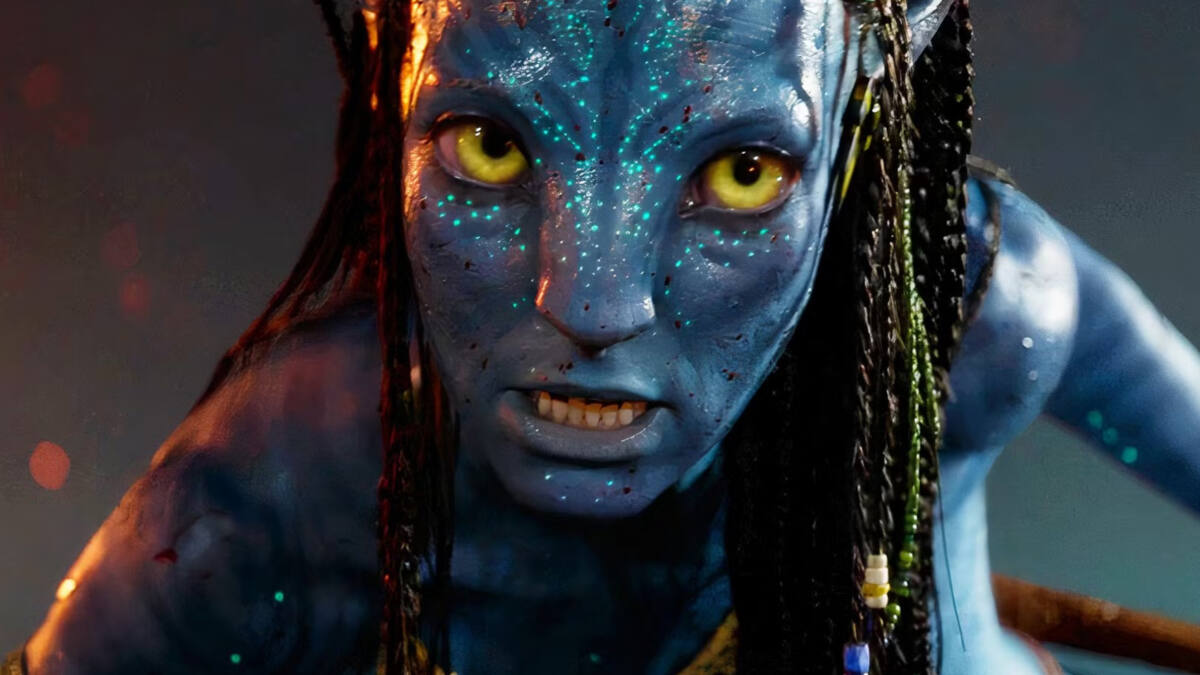
A new Avatar lawsuit says James Cameron and The Walt Disney Co. built part of ”Avatar” by lifting the face of Indigenous actress Q’orianka Kilcher when she was 14, then turning that image into Neytiri, the blue-skinned center of a franchise that has grossed nearly $7 billion worldwide. It is a nasty allegation for a series that sold itself as a grand fable about exploitation while allegedly borrowing from a teenager without permission.
Filed Tuesday, the suit claims Cameron ”extracted” Kilcher’s facial features from a photo taken while she was playing Pocahontas in ”The New World” and passed them to his design team as the basis for the character. NBC says the filing includes early Neytiri sketches and interviews in which Cameron and members of his team allegedly identified Kilcher as the visual source. That matters because Hollywood has spent years acting as if likeness rights are only an issue for living celebrities with lawyers on speed dial; this case argues the same problem can start with a child and a camera.
What Kilcher says happened
According to the complaint, Kilcher says she never consented to her likeness being used and did not realize she had been Cameron’s muse until after the first ”Avatar” film came out. She says Cameron later gave her a framed sketch of Neytiri, along with a note that allegedly said her ”beauty was my early inspiration for Neytiri.” The suit says that exchange happened in 2010, when she would have been around 18.
The actress also says Cameron’s team never actually pursued her for the role. Zoe Saldaña played Neytiri in the films, while Kilcher’s complaint frames the whole process as a ”literal transplant” of a real teenager’s facial structure into a blockbuster character. That is the sort of accusation that sounds extreme until you remember how much studio imagery now gets built from scraped, sampled, and repurposed human features.
Deepfake claims raise the stakes
One of the more aggressive parts of the suit invokes California’s newer deepfake porn law, arguing that an intimate scene involving Neytiri amounts to deepfaked child abuse imagery because the character was allegedly built from Kilcher’s underage face. That is a bold legal move, and it pushes the case well beyond the usual Hollywood plagiarism squabble.
- Franchise box office: nearly $7 billion
- Age at the time of filming ”The New World”: 14
- Current age listed in the suit: 36
Cameron and Disney have not publicly responded. If the lawsuit survives, it could become an ugly test of where performance reference ends and biometric theft begins, especially as studios lean harder on AI tools that make identity reuse cheaper, faster, and easier to deny. Kilcher’s claim is ugly in a different way: if true, it says the industry found a way to monetize an Indigenous child’s face while telling a story about protecting Indigenous people.
A Hollywood fight with AI-era echoes
The broader trend here is bigger than ”Avatar.” AI-generated imagery has made stolen likenesses easier to manufacture, but the core dispute is older: who owns a face, a performance, or a photograph once Hollywood decides it wants them. Expect more of these fights, not fewer, because the incentives are obvious and the paper trail is often messier than studios would like.
The next question is whether Kilcher can turn a disturbing story into a legally durable one. If she can, the case may force studios to treat likeness rights less like a public-relations nuisance and more like the licensing issue they should have been all along.