

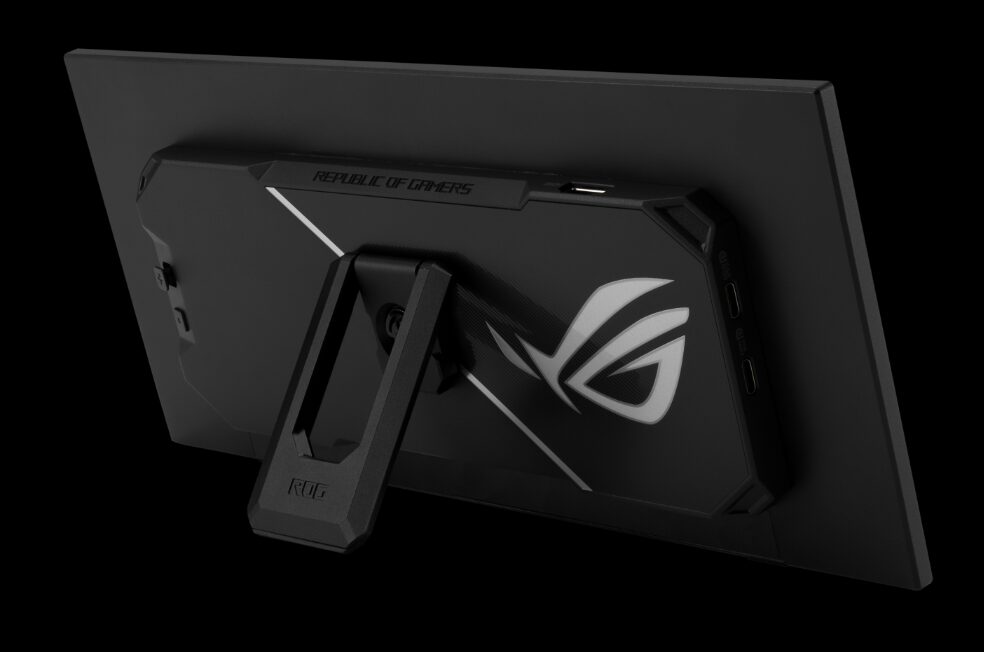
Asus has turned a tiny touchscreen monitor into an ROG-branded curiosity: the 12.3-inch Asus ROG Strix XG129C is meant to sit under a main display and show widgets, video, or a second desktop, but its awkward mix of niche sizing, modest specs, and premium pricing makes it look more like desk jewelry than a useful add-on.
That skepticism is hard to shake once you look at the numbers. The panel measures 12.3 inches, uses a 1920×720 resolution, refreshes at 75Hz, and needs an external source over USB-C or HDMI. In other words, it is not a tablet, not a standalone smart display, and not especially cheap for something that depends entirely on another device to be interesting.
Asus ROG Strix XG129C specs
- 12.3-inch ultrawide touchscreen
- 1920×720 resolution
- 75Hz refresh rate
- USB-C or HDMI input required
- €240 price reported by VideoCardz
Asus is leaning on the 24:9 aspect ratio as the selling point, but that pitch feels backwards. If the goal is a compact second screen, a regular 16:9 USB monitor is easier to find, easier to understand, and often cheaper. The company is also pushing gaming branding here, yet 75Hz on a 12.3-inch auxiliary display does not exactly scream ”must-have battlefield gear.”
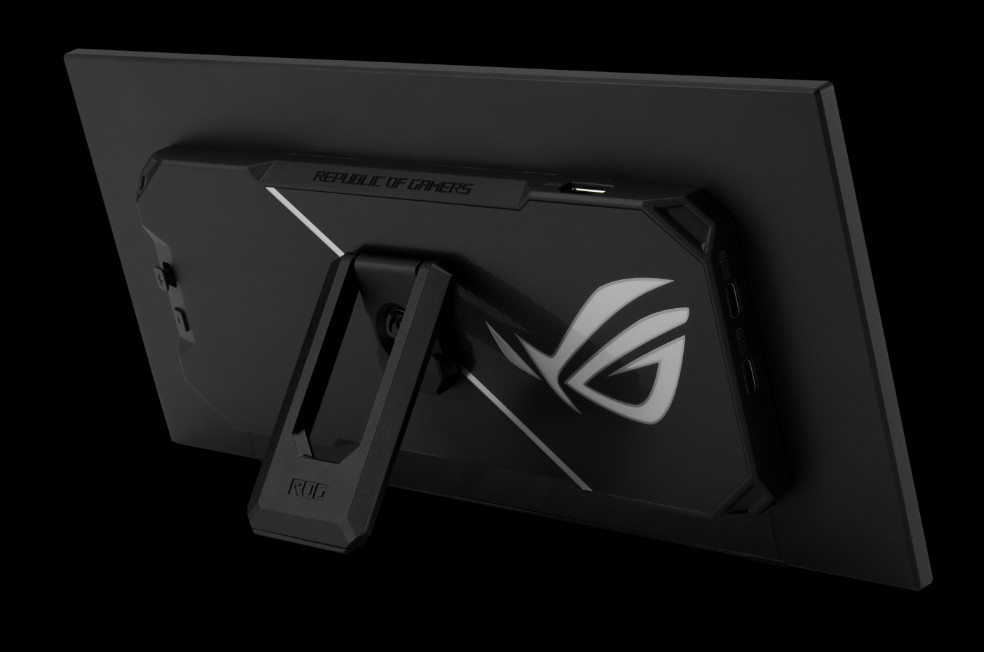
Why tiny accessory screens keep showing up
Small side displays have a real use case, just not this one in most homes. They make sense for very specific setups: a Raspberry Pi project, a home server dashboard, or a smart-home control panel. That is also why the category keeps resurfacing across retailers and niche hardware launches, but the smarter versions usually emphasize flexibility rather than asking buyers to pay a premium for branding.
The pricing story is where Asus really trips over itself. VideoCardz says the XG129C will cost €240, and Asus has not said when it will reach the US or for how much. For that money, you can already buy a portable touchscreen monitor with a similar size and connectivity for a bit over $100 on Amazon, which makes the ROG tax look less like a premium and more like a penalty.
The real competition is cheap utility
Corsair’s Xeneon Edge is the nearest obvious comparison, and it at least offers a more flexible mounting story, including the option to place it inside a case. Asus, meanwhile, is selling screenshots of widgets, themes, and even a full Windows 11 desktop on the little panel, which sounds clever until you imagine actually trying to work that way. The market for tiny monitors is clearly growing, but the winners are the ones that solve a specific problem without pretending they’ve invented a new category.
So the question is simple: will Asus ship this as a quirky enthusiast accessory, or let the price do the talking and quietly leave it to the bargain bins? At €240, the answer already feels annoyingly obvious.