

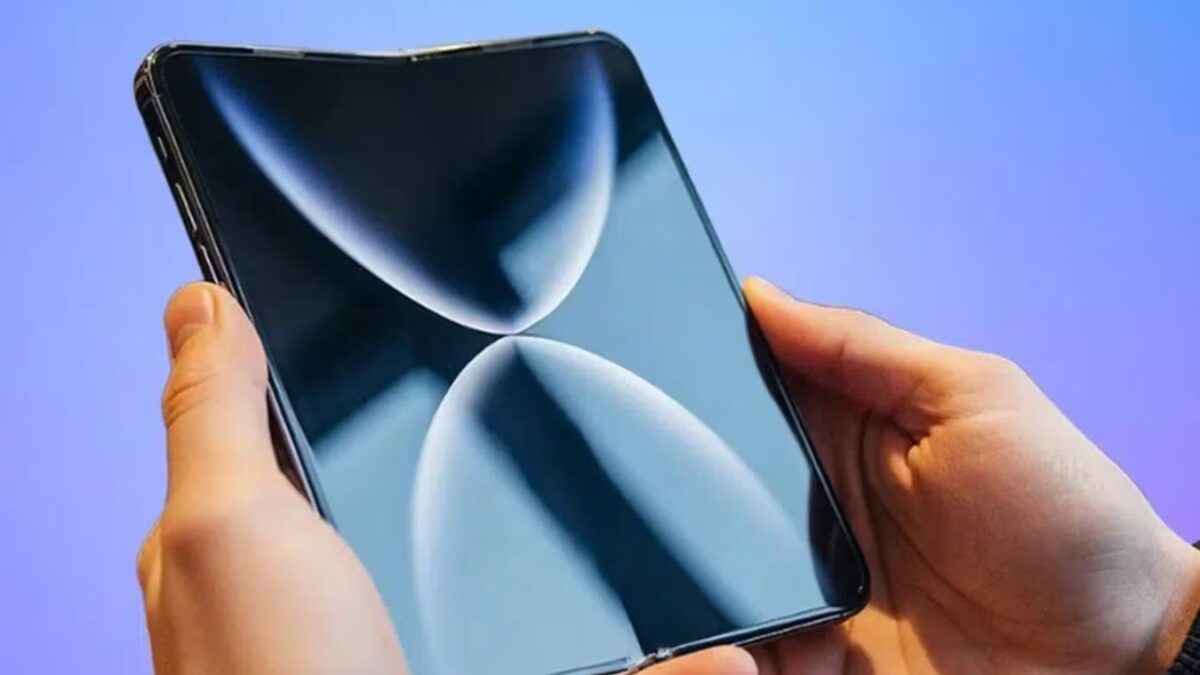
Apple could unveil its first foldable iPhone, potentially called the iPhone Ultra, as early as September 2026 alongside the iPhone 18 Pro and iPhone 18 Pro Max. But don’t expect pre-orders to start that day. Analyst Ming-Chi Kuo suggests Apple might repeat the iPhone X playbook: a splashy debut followed by a significant wait before sales actually begin.
The reasoning is straightforward. Foldable phones are more complex to manufacture than traditional models, and rumors indicate Apple’s foldable-dubbed iPhone Ultra in leaks-will be no exception. Kuo predicts limited initial production volumes, pushing pre-orders into October, weeks after the announcement. This mirrors 2017 when Apple launched the iPhone 8, 8 Plus, and iPhone X simultaneously, but the X didn’t go on sale until six weeks later.
If Kuo’s forecast holds, the iPhone Ultra’s starting price in the U.S. will fall between $2,299 and $2,499. That places it firmly into the luxury foldable segment, where Samsung’s Galaxy Z Fold and Google’s Pixel Fold already reside. For context, the Galaxy Z Fold7 typically starts around $1,899 in the U.S., according to past retail data. Apple seems poised to launch not just another foldable, but potentially the priciest iPhone in its mainstream lineup.
- iPhone Ultra estimated starting price: $2,299-$2,499 (U.S.)
- Samsung Galaxy Z Fold7 starting price: around $1,899 (U.S.)
Volume expectations also signal a cautious rollout. Kuo estimates Apple could ship 7 to 8 million foldable units in 2026. In comparison, combined shipments of the iPhone 18 Pro and Pro Max are projected at 20 to 22 million units. While that’s a stark contrast, the foldable smartphone category itself remains niche-Counterpoint Research estimates global foldable sales have hovered in the tens of millions annually, not hundreds. Even a modest share could make Apple a major player in this segment quickly, despite limited initial supply.
- Projected foldable iPhone Ultra shipments in 2026: 7-8 million units
- Projected iPhone 18 Pro and Pro Max shipments in 2026: 20-22 million units combined
- Global foldable smartphone sales annually: tens of millions, per Counterpoint Research
What remains to be seen is whether Apple can preserve its usual launch hype without immediate availability. If pre-orders start only in Q4 2026, delivery times could stretch four to six weeks, Kuo warns. That would create a rare scenario for Apple: the most talked-about iPhone of the season hitting store shelves well after the rest of the lineup.
Internationally, Apple’s move into foldables arrives as Samsung dominates with multiple Galaxy Z Fold iterations and Google pushes its Pixel Fold aggressively. While Samsung’s devices emphasize productivity with their large inner screens, Apple’s foldable is expected to blend luxury design with a new user experience. At nearly $2,500, Apple is clearly targeting a premium clientele willing to pay for exclusivity and advanced tech, potentially setting a new benchmark for foldable pricing.
Looking ahead, competition in the foldable space will heat up, with Apple’s entry forcing rivals to rethink pricing and innovation. The staggered launch could also impact consumer excitement and supply chain dynamics. Whether the iPhone Ultra redefines foldables or simply raises the bar on price remains a critical question for 2026’s smartphone market.