

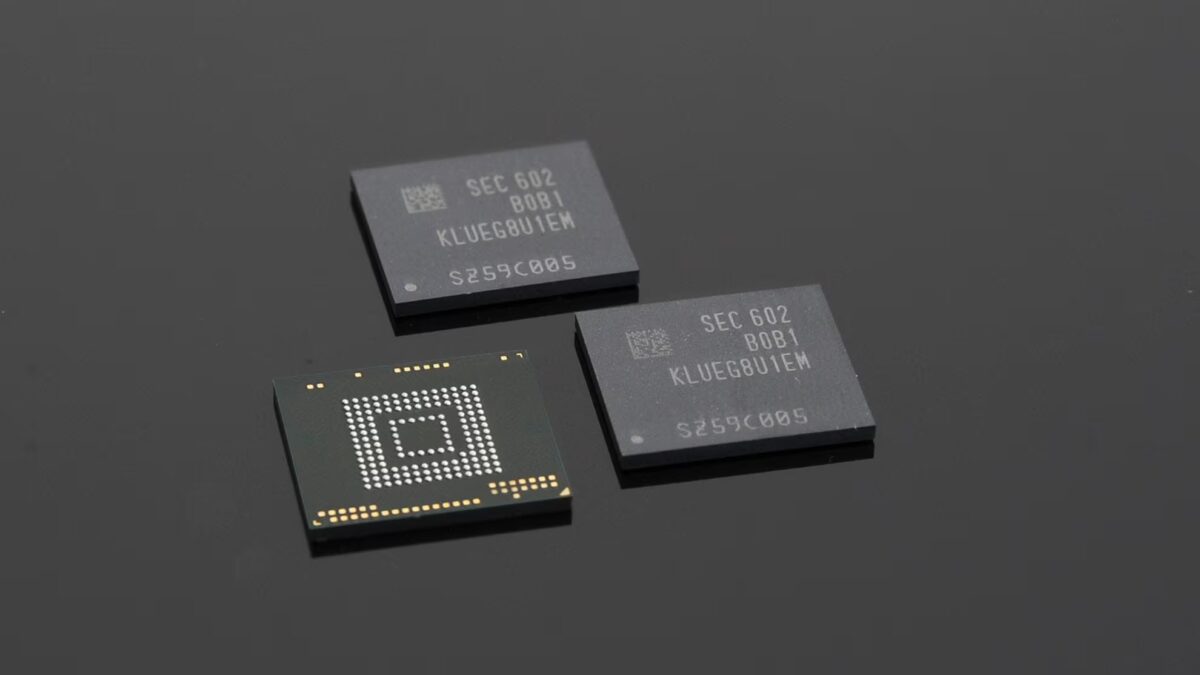
Apple is reportedly planning to replace faster TLC flash memory with slower QLC chips in the top-tier iPhone 18 Pro and iPhone 18 Pro Max models, according to insider Reptalica via Wccftech. This change would affect the 1TB and 2TB variants-the priciest versions where buyers usually expect no compromises on performance.
The 256GB and 512GB configurations will stick with TLC storage sourced from SK hynix, Kioxia, and SanDisk. But the 1TB iPhone 18 Pro is expected to rely primarily on the SK hynix BC8Q-1T QLC flash, with Samsung’s TLC chip (3DV8) as a limited alternative. For the 2TB version, the source points to the SK hynix BC8Q-2T QLC chip, originally developed for server use.
Unlike marketing buzz, the difference between TLC and QLC is practical: TLC stores three bits per cell and tends to offer better write speeds and endurance, while QLC packs in four bits per cell, cutting costs and boosting storage density but usually delivering slower performance-especially with random 4K read/write operations and under heavy use. The insider specifically notes performance dips on these random operations with the BC8Q-2T chip.
This shift stands out compared to the current generation, where the 2TB iPhone 17 Pro Max uses TLC memory, suggesting that the upcoming iPhone 18 Pro Max might actually slow down its storage despite a higher price tag. Wccftech’s scoop pegs the base prices for the iPhone 18 Pro and Pro Max at $1,399 and $1,499, respectively.
Component cost hikes are behind this move. Earlier reporting indicated that a 256GB NAND flash chip for the iPhone 18 Pro could cost Apple around $51-up from roughly $13 for the iPhone 17 Pro. Even if that estimate is on the high side, memory prices for NAND and DRAM are rising in 2024 and 2025. TrendForce analysts cite increased contract prices driven by surging smartphone demand and AI server manufacturing drawing more production capacity.
Impact of QLC memory on iPhone 18 Pro storage performance
Using QLC flash in flagship smartphones is unusual. While consumer SSDs have adopted QLC for its cost benefits, they typically offset its slower write speeds with large SLC caches and advanced controllers-luxuries a smartphone has little room for. Mobile users demand quick writes for 4K/8K video recording, ProRAW image processing, and rapid burst shooting. In these cases, storage performance impacts not just benchmark scores but real-world file save times.
Unlike Apple, top Android manufacturers heavily promote faster storage standards like UFS 4.0 and UFS 4.1 on their premium devices-Samsung’s Galaxy S Ultra line and brands like Xiaomi and vivo lead the charge. While UFS refers to the interface, not NAND type, the message is clear: premium models usually come with top-tier underlying flash.
Apple has faced scrutiny before for uneven component selections within a product lineup. Past controversies include differing modems in iPhones and SSD speed variances in Mac models. The company rarely reveals these hardware nuances upfront, leaving buyers to discover them through teardown analyses and speed tests. With the iPhone 18 Pro, the question is whether average users will notice slower storage until independent benchmarks surface.
According to Counterpoint Research, phones with 1TB+ storage remain a small slice of global smartphone sales but deliver higher profit margins. These configurations act more as luxury showcase products than volume sellers. Cutting costs on NAND flash at this level risks damaging the premium reputation of the Pro lineup.
If Apple indeed switches its 1TB and 2TB iPhone 18 Pro models to QLC memory, the true impact won’t be clear until the first performance tests arrive in fall 2026. That’s when we’ll learn if the compromise is limited to theoretically lower endurance or if users actually experience slower file writes in ProRes video, large file exports, or heavy app installations. For models starting at $1,399, this isn’t a minor technical detail-it’s central to the user experience.