• 3 min read
Apple outpaces rivals as China smartphone shipments fall 4%
China’s smartphone market shrank 4% year over year in the first quarter of 2026, but Apple managed to do the opposite: it posted the strongest growth among the country’s top six brands and climbed to second place. That i
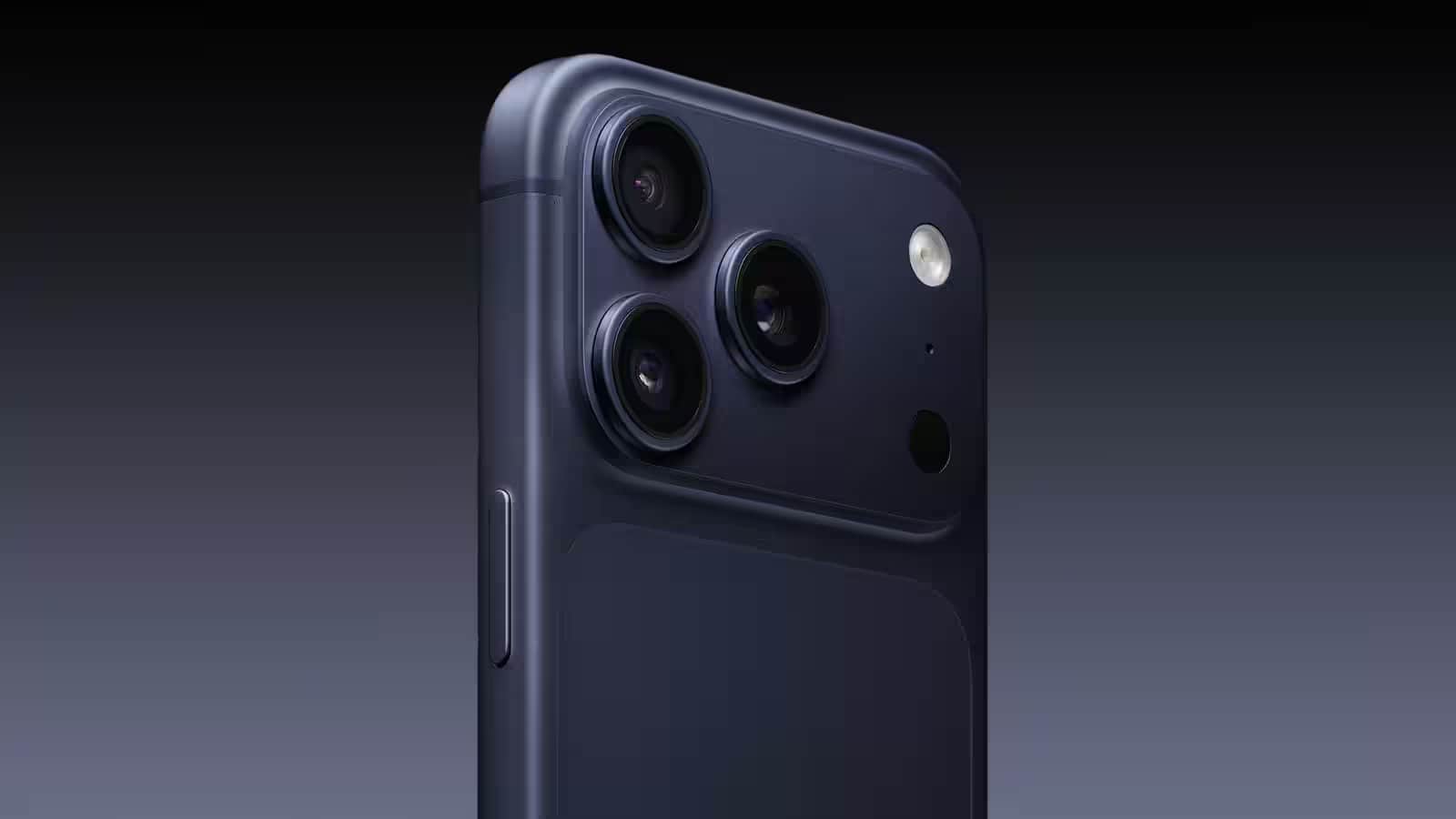
Image: MacRumors
China’s smartphone market shrank 4% year over year in the first quarter of 2026, but Apple managed to do the opposite: it posted the strongest growth among the country’s top six brands and climbed to second place. That is a tidy result for Cupertino in a market where rising memory costs are squeezing everyone else, and it helps explain why China smartphone shipments are holding up better in the premium segment than across the rest of the pack.
Counterpoint Research said the quarter was dragged down by a high comparison base from last year’s government subsidy program, while Lunar New Year promotions in February were only a partial offset because discounts were blunted by a sharp rise in memory prices. The result is a familiar one in China: buyers are still shopping, but makers have less room to cut prices, which pushes more of the pain into retail tags on new and used devices.
Apple’s 20% shipment jump stands out
Apple’s shipments rose 20% year over year, powered by demand for the iPhone 17 series, promotional price cuts, and government subsidies. Counterpoint said Apple is better placed than most rivals to handle the current memory crunch because of its premium lineup and tighter supply chain control, and expects the company to absorb higher costs internally in the near to medium term.
That strategy is not exactly charitable. It is commercial muscle: if Apple can hold pricing while competitors are forced to pass costs through, it can widen the gap without needing a flashy new product cycle. Samsung and other global brands have played a similar game in weaker markets before, but China’s scale makes the outcome more consequential.
Recommended reading
Samsung’s July 22 event points to three new foldables
Huawei, OPPO and Xiaomi take different hits
Huawei led the market with a 20% share, its highest since the fourth quarter of 2020, and shipments were up 2% year over year thanks in part to domestic supplier relationships that soften the memory-cost shock. OPPO took third place after realme was folded back into the reporting, and OnePlus surged 53% year over year on the Ace 6 and Turbo 6 series, even as OPPO’s March price increases on older models hurt demand.
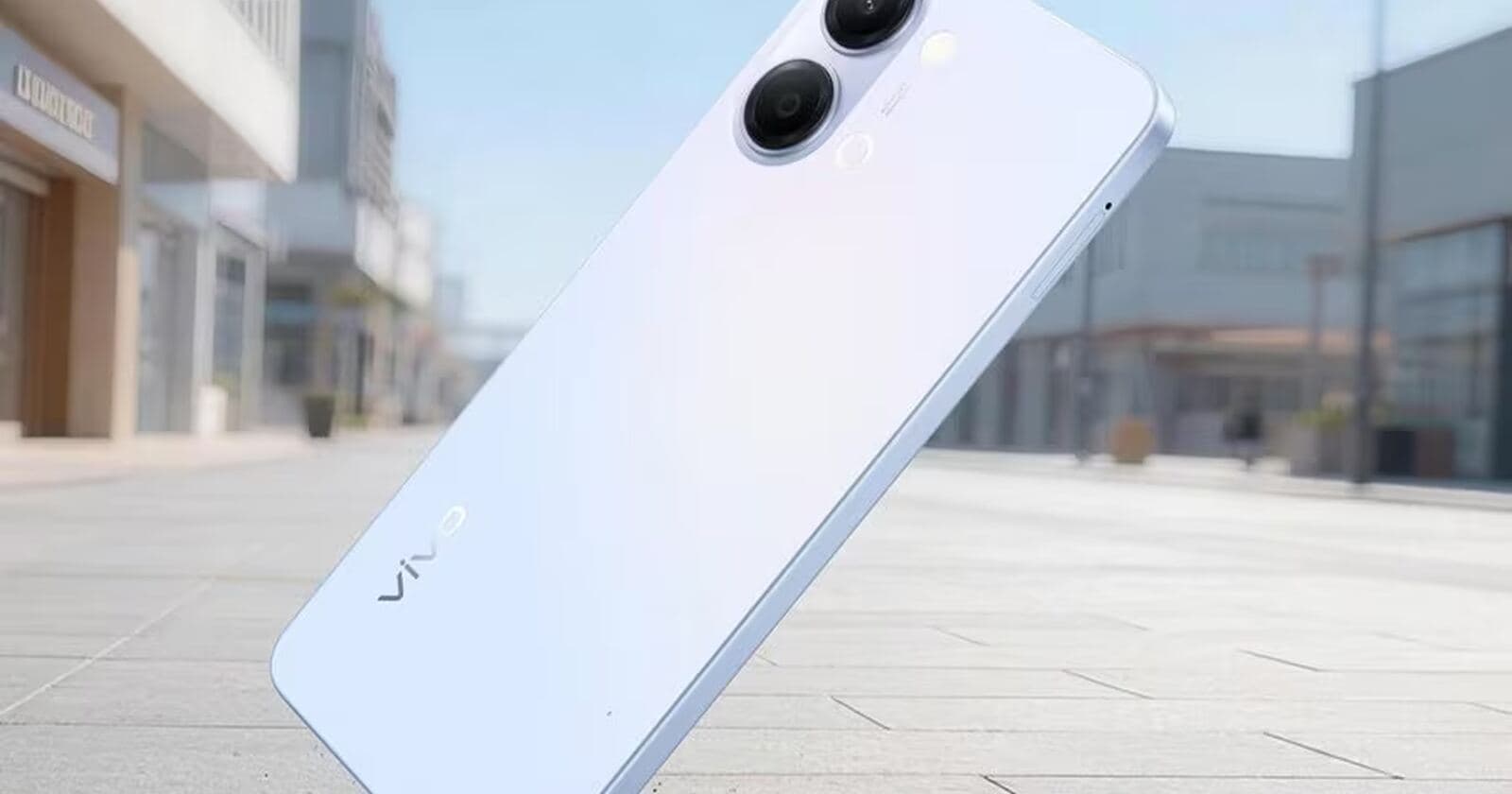
vivo grew 2% year over year on strength in lower-priced phones, while Xiaomi had the roughest quarter of the group, falling 35% year over year as its core models failed to match the previous generation. That split is the real story behind the headline numbers: in a shrinking market, brands with pricing power or supply-chain leverage survive the squeeze, while everyone else gets dragged into a margin war.
China smartphone shipments could fall again in Q2
Counterpoint warned that manufacturers are facing a “double hit” of lower shipments and thinner margins, and expects China smartphone shipments to fall 9% for the full year. If memory prices stay elevated, Apple may keep looking unusually comfortable while rivals are forced into the ugliest choice in consumer tech: raise prices, or eat the cost and hope customers do not notice.

Gadgets Editor
Eli is obsessed with the tangible future. He reviews phones, wearables, and everything with a battery. Known for his rigorous testing protocols and unabashed teardowns, Eli has broken more review units than he cares to admit, all in the name of discovering the truth about durability and repairability.
via MacRumors