• 4 min read
Anything’s App Store fight exposes Apple’s vibe coding problem
Apple has found a new headache inside the App Store: vibe coding. The developers behind Anything say the company removed their app twice after arguing that its AI-assisted workflow violates old rules about downloading or
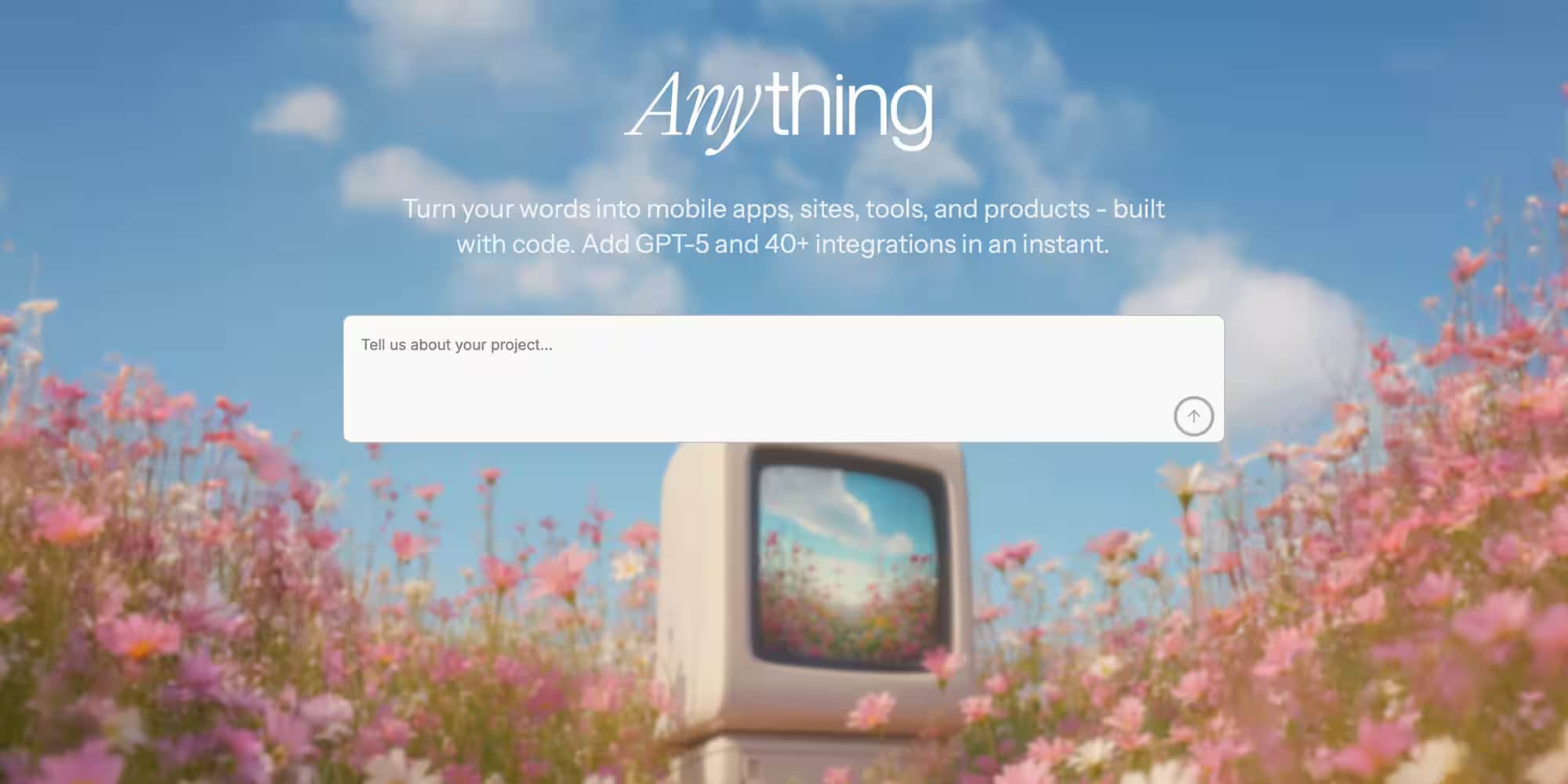
Image: 9to5Mac
Apple has found a new headache inside the App Store: vibe coding. The developers behind Anything say the company removed their app twice after arguing that its AI-assisted workflow violates old rules about downloading or executing code, and they’re now making the case that those rules are too blunt for a wave of builders who expect software to be generated, previewed, and shipped far faster than Apple’s review system was built for.
The clash is bigger than one app. As AI tools make it easier for people to turn prompts into working software, Apple is being forced to decide whether App Store policy should keep treating generated code like a security threat or start recognizing it as the product itself. That’s awkward for a company that likes control almost as much as it likes talking about creativity.
What Apple objected to in Anything
Anything says Apple first approved its mobile app last year, then began blocking updates in December by pointing to Guideline 2.5.2. Apple’s concern centers on apps that download or run code that changes behavior after review, which is exactly the gray area vibe coding platforms live in: they take prompts, generate code with AI, and let users preview that code on their own devices before deciding whether to submit it.

Recommended reading
KBSU develops lower-cost composite for hydrogen membranes
The developers say they tried to adapt, and not just once. They claim they submitted four technical rewrites, were removed from the App Store on March 26, reinstated after back-and-forth with Apple, and then removed again a few days later. That kind of ping-pong is rarely a sign that a policy is comfortably keeping up with reality.
Why vibe coding is colliding with App Store policy
There’s a reason Apple’s language sounds familiar: it was written to stop malicious apps from changing themselves after review. But vibe coding tools blur the line between app builder, code generator, and publishing pipeline. In plain English, Apple built a gate for packaged apps; these tools are trying to walk through with a factory attached.
- Users describe what they want in text prompts.
- AI models generate the code.
- Builders can preview the app on-device.
- Those with developer accounts can submit it for App Store review.
That workflow is already producing real App Store submissions, not just demo toys, which is why Apple’s stance matters. If the company treats every generated app as suspect, it risks slowing a category that could make software creation far more accessible. If it relaxes the rules too much, it hands scammers and sloppy builders a very large shovel.
Anything is betting on builders, not just apps
Anything’s public response is basically: the future user base is the product roadmap. The team says the number of people who can build apps is heading from millions to hundreds of millions and eventually everyone, and that these new builders are the next App Store customers Apple should want, not filter out. That’s a smart argument, because it reframes the debate from compliance to growth.
They’re also trying to ship around the conflict instead of waiting for Apple to blink. Anything says it has launched text-to-app, is moving toward cloud-based iOS builds, and plans a desktop companion for on-device previews. That is the most Apple-free answer available: keep the product moving, then let users and the market pressure the platform.
Apple’s next move could shape App Store policy at WWDC26
Apple is under more pressure here than it may want to admit. A recent surge in App Store submissions has been tied, at least in part, to the rise of vibe coding tools, and that trend is only getting louder as AI-assisted app creation spreads. The company can ignore the noise for a while, but not forever, especially with WWDC26 just around the corner and developers already asking whether Apple sees them as partners or paperwork.
The most likely outcome is not a dramatic policy rewrite overnight. More likely, Apple will keep carving out exceptions, tightening review language, and forcing app makers to prove that AI-generated code is controlled enough to fit its rules. The open question is whether that ends up looking like sensible platform stewardship or just another case of Cupertino arriving late to the party and asking everyone to lower their voices.

Computing Editor
Tomas lives in the terminal. He covers chips, laptops, and operating systems with a focus on performance and efficiency. He reads kernel changelogs the way other people read fiction, and he's always on the hunt for the perfect mechanical keyboard switch. If it processes data, Tomas has an opinion on it.
via 9to5Mac