

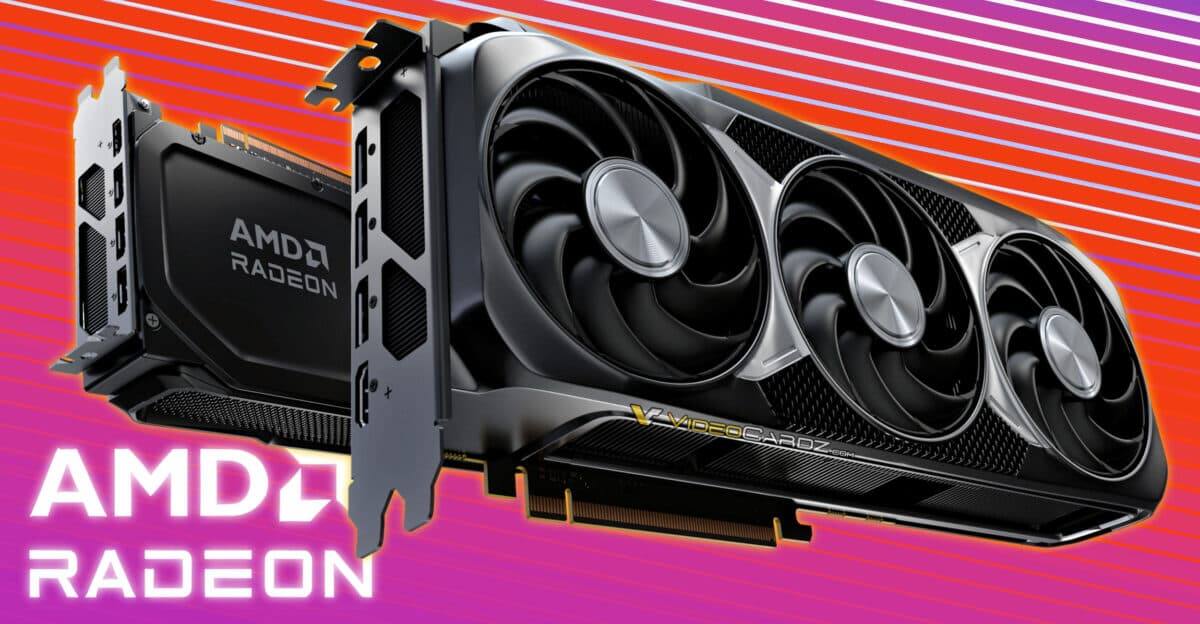
AMD is reportedly preparing a 10% price hike for the GPU-and-memory bundles it sells to graphics card makers, with the increase expected to land in July. If that sounds familiar, it should: earlier rumors pointed to a 10% to 15% jump, which suggests the industry had already been bracing for higher component costs. The real question is how long board partners can absorb that before retail prices start moving, too.
According to posts from Board Channels forum participants, AMD has already informed at least some partners about the change. The list reportedly includes Sapphire, Asus, Vastarmor, and XFX, which is enough to make the rumor hard to shrug off. Board Channels is not a random comment section; it is populated by employees at graphics card vendors, system integrators, and contract manufacturers, and its leaks have been right often enough to merit attention.
What AMD is actually raising
The increase is said to apply to the bundled GPU-plus-memory packages that AMD and Nvidia sell to board partners, not necessarily to finished Radeon cards on day one. That distinction matters because manufacturers can sometimes delay passing higher costs on to buyers, at least briefly, by trimming margins or leaning on old inventory. But nobody in this business volunteers to eat a 10% hit for long.
- Expected increase: about 10%
- Timing: July
- Reportedly affected partners: Sapphire, Asus, Vastarmor, and XFX
Why board partners are watching closely
For card makers, the ugly part is that AMD and Nvidia already control the most expensive pieces of the puzzle, so any change at that level quickly ripples through the rest of the product stack. History says these cost shifts rarely stay polite and contained; they tend to show up first in narrower promo windows, then in worse launch pricing, then in the quiet disappearance of ”good value” from the shelf tag. Consumers usually notice only when the bargain model stops being a bargain.
If the July timing holds, the next few weeks will tell whether vendors try to rush out existing stock or simply reprice future batches. Either way, the current Radeon pricing story does not look built for stability.